0 Comments

It’s just the worst feeling, isn’t it? That moment you pull your favorite white shirt out of the laundry basket, only to see a jarring orange stain. Before you toss it in the rag pile, take a deep breath! Most rust stains are totally fixable if you know the right tricks. The most important thing is to act quickly and keep it far away from the dryer—that heat will set the stain for good.
Why Do Rust Stains Appear on Clothes?
Rust has a sneaky way of showing up when you least expect it. One wash cycle, everything’s fine; the next, you’ve got a mysterious brownish-orange splotch. And it’s not always from leaning against a rusty gate. More often than not, the culprits are hiding right inside our homes.
I once spent weeks trying to figure out why tiny rust spots kept appearing on my husband’s dress shirts. It was driving me crazy! After playing detective, I finally realized the metal buttons on some of his other shirts were oxidizing in the wash and transferring rust to the lighter fabrics.
Common Household Culprits
The source of those pesky rust stains usually comes down to a few usual suspects. Pinpointing the cause is the first step to making sure it doesn’t happen again!
- Aging Water Pipes: If you live in an older home, galvanized iron pipes can release tiny rust particles into your water supply. Those particles then happily settle onto your clothes in the wash.
- Your Water Heater: Over time, the inside of a water heater can corrode, leading to rusty water that you might not notice until it’s too late.
- Metal on Clothing: Think about all the metal on your clothes—zippers, rivets on jeans, snaps, and even decorative buttons. If they stay damp for too long, they can rust and leave marks on whatever they touch.
- Washing Machine Issues: A chip or scratch inside your washer drum can expose the metal underneath. That exposed spot can rust and transfer stains to your clothes with every single load.
It’s a more common problem than you might think. Many households report dealing with rust stains on their laundry at least once a year, with white cotton and linen being the most frequent victims.
A little detective work now can save you a ton of scrubbing later. If you keep seeing rust stains, take a peek at your water quality and the inside of your washing machine drum. It might just be time for a bit of maintenance!
Some fabrics also just seem to attract these stains. Natural fibers like cotton and linen are super absorbent, so they soak up water—and any rust in it—much more easily than synthetics do. Their texture gives the rust something to cling to, making it a bit tougher to get out. But don’t you worry, we’ve got plenty of methods to handle even the most stubborn cases!
One of the best all-around stain fighters, which can work on light rust, is plain old white vinegar. You can discover all sorts of ways to use it in my guide on cleaning with vinegar. Lemon juice is another great tool for your rust arsenal.

The Most Important First Step Before You Treat
Okay, before you grab that lemon or any other stain remover, let’s pause for just a moment! This one little step is my golden rule for stain removal, and it has saved me from so many laundry heartaches over the years. We need to play detective before we start treating the fabric.
Not all materials can handle the same cleaning methods. What works wonderfully to remove rust stains from a sturdy cotton dish towel could be a total disaster on your favorite silk blouse. The very first thing I always do is check the care label to see what I’m working with. Is it cotton, polyester, wool, or something else entirely?
Always Do a Spot Test
Once you know the fabric type and have a treatment in mind, the next step is a colorfastness test. I cannot stress this enough! It sounds technical, but it’s super simple and takes less than a minute. You just need to test your chosen cleaning solution on a small, hidden part of the garment to make sure it won’t cause any fading or discoloration.
My go-to spots for testing are:
- An inside seam
- The hem allowance
- The underside of a pocket flap
Just apply a tiny bit of your rust remover to one of these spots, let it sit for a minute or two, and then blot it with a clean white cloth. If any color comes off onto the cloth, or if the fabric’s color changes, stop right there! You’ll need to try a gentler method.
Think of this as the “measure twice, cut once” rule of laundry. A quick spot test is your best insurance against turning a small stain into a big, faded mess.
More Ideas You'll Love

Taking these few moments to prepare can make all the difference in successfully removing rust stains from fabric without causing any accidental damage. It’s a simple habit that will serve you well with any stain you encounter.
Gentle and Natural Rust Removal Methods
You know how much I love finding a good homemade solution for just about everything, and rust stains are no exception! Before you reach for a bottle of harsh chemicals, you might be surprised to find that the best tools for the job are likely already in your kitchen.
These natural methods are always my first line of defense; they’re affordable, gentle on most fabrics, and so much better for your home.

My absolute favorite, go-to method involves two simple ingredients: lemon juice and salt. It’s a classic for a reason—it just works!
The magic is in the combination of the citric acid in the lemon juice and the mild abrasive quality of the salt. Together, they create a powerful reaction that helps dissolve the iron oxide (that’s the scientific name for rust!) and lift it right out of the fabric fibers.
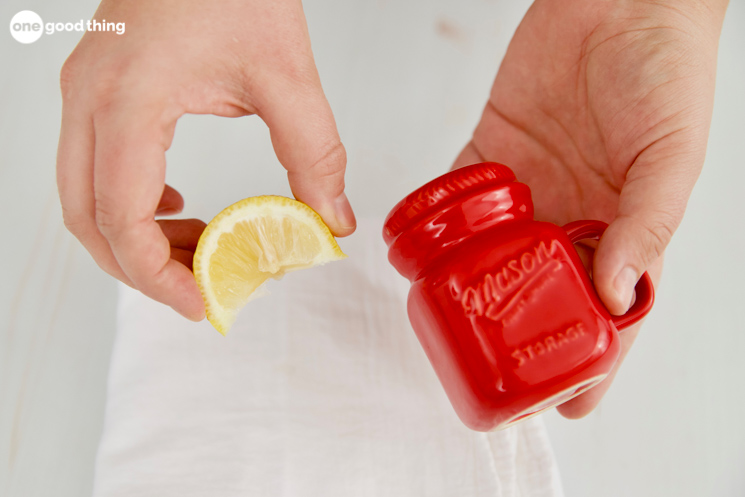
My Go-To Lemon And Salt Method
This process is so simple, and the secret weapon is a little bit of sunshine. The sun’s UV rays actually help accelerate the chemical reaction, naturally bleaching the stain away without damaging the fabric. It’s like a little science experiment right on your clothesline!
Here’s how I do it:
- Lay the stained area flat and sprinkle a generous layer of regular table salt directly onto the rust spot. You want to cover it completely.
- Squeeze fresh lemon juice over the salt until it’s thoroughly saturated. You can use bottled lemon juice in a pinch, but I find fresh works best.
- Gently rub the paste into the stain with your fingers or a soft cloth. Be careful not to scrub too hard, especially on more delicate fabrics.
- Place the garment in direct sunlight. Let it sit for a few hours, checking on it periodically. You should see the stain start to fade.
- Rinse the area thoroughly with cool water before laundering as usual.
This method is my first choice for sturdy fabrics like cotton and linen. The natural fibers respond beautifully to the sun-powered treatment, often lifting the stain completely in one go.

Another Household Hero White Vinegar
If you don’t have a lemon on hand or if you’re working with a more stubborn stain, white vinegar is another fantastic option. Just like lemon juice, the acetic acid in vinegar is great at dissolving rust.
For this method, simply soak a cotton ball or a clean white cloth in undiluted white vinegar and dab it onto the rust stain. Let the vinegar sit for about 30 minutes, but don’t let it dry out. You can then rinse the area and launder the item as you normally would.
More Ideas You'll Love

When working with synthetic blends like polyester, you’ll want to be a bit more cautious. Let the lemon or vinegar solution sit for a shorter amount of time, maybe just 30-60 minutes, before rinsing. Always remember to do that all-important spot test on an inside seam first, just to be safe!
Natural Rust Stain Removal Methods
I’ve put together a quick little chart to compare my two favorite DIY methods for removing rust stains. It covers which fabrics they work best on and my top tips for success.
| Method | Best for Fabrics | Key Steps | My Pro Tip |
|---|---|---|---|
| Lemon Juice & Salt | Cotton, linen, denim, and other sturdy natural fibers. | Apply a paste of salt and fresh lemon juice to the stain. | Place the garment in direct sunlight for a few hours. The sun’s rays will supercharge the stain-lifting action! |
| White Vinegar | Cotton, synthetics like polyester, and most durable blends. | Dab undiluted white vinegar directly onto the rust spot. | Don’t let the vinegar dry out. For stubborn spots, sprinkle salt over the wet vinegar before letting it sit for 30 mins. |
Both of these are fantastic starting points before moving on to commercial products. Give them a try—you might be surprised by what you already have in your pantry!
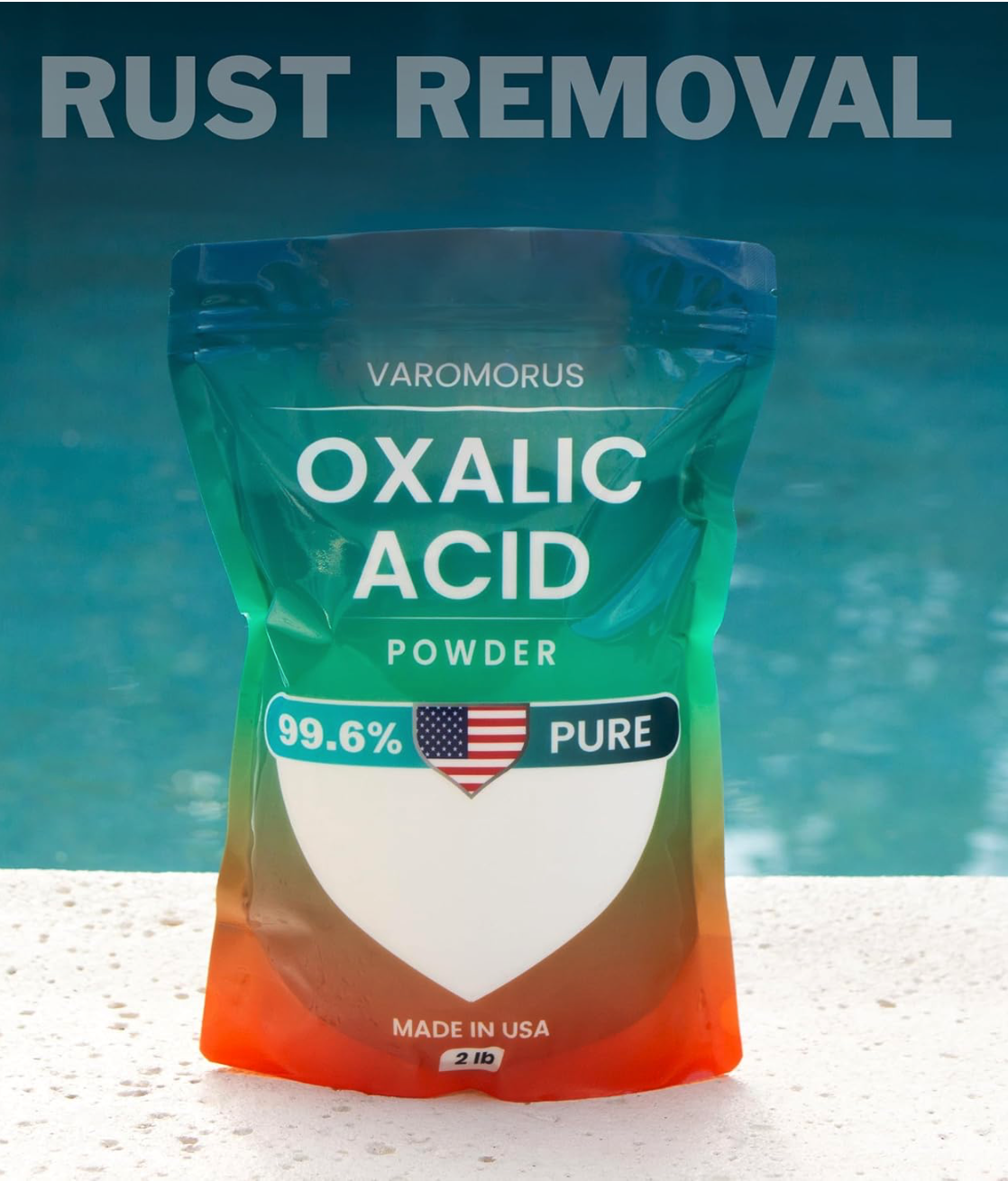
Tackling Tough Stains with Commercial Removers
While I always start with my trusty lemon and salt trick, some rust stains are just plain stubborn. They’ve had too long to set in, or they’re from a particularly potent source. That’s when I know it’s time to bring out the big guns and turn to a good commercial rust remover.
The cleaning aisle can feel a bit overwhelming, but most effective rust stain removers for fabric have one key ingredient in common: oxalic acid. It sounds a little intimidating, I know! But it’s a naturally occurring acid found in plants like rhubarb and spinach. It’s just incredibly good at dissolving iron oxide—which is what rust is made of.
Choosing the Right Product
When you’re looking at the options on the shelf, you’ll notice they come in a few different forms. Some are liquids, some are powders you mix with water, and others are gels. I’ve found that liquids are often the easiest to apply right where you need them. No matter which you choose, the process is usually pretty similar.
You’ll apply the product directly to the stain, let it work its magic for a few minutes (always follow the package directions!), and then rinse it out thoroughly before washing the garment as usual.
A word of caution I always follow: never, ever use chlorine bleach on a rust stain! It will cause a chemical reaction that makes the stain darker and can set it permanently. Stick to products specifically designed for rust.
This isn’t a new discovery, either. In fact, oxalic acid has been a go-to for rust removal for over a century. Early studies showed that oxalic acid solutions were successful in removing rust from cotton and linen with very little damage to the fabric fibers when used correctly.

Safety First and Foremost
Because these products are more powerful than a simple lemon, safety is my top priority. I always make sure to wear a pair of cleaning gloves to protect my hands. I also work in a well-ventilated area, like near an open window or with a fan running. These are strong cleaners, and you want to avoid breathing in the fumes.
And yes, even with a commercial product, I still do my non-negotiable spot test on a hidden seam! It’s especially important with colored fabrics, as some removers are formulated specifically for whites and can cause fading on colors. Always read the label to ensure the product is safe for the type of fabric and color you’re treating.
There are many great products out there, and finding one that works for you is key. If you’re looking for recommendations, I’ve shared some of my experiences in my post about the highest-rated stain remover on Amazon, which might give you a great place to start. With the right product and a little care, even the most daunting rust stain doesn’t stand a chance.

Why You Should Never Use Chlorine Bleach
This is one of my most important laundry warnings! Never, ever use chlorine bleach on rust stains. It might seem like a good idea to reach for a powerful whitener, but it will cause a chemical reaction that actually makes the stain permanent.
The bleach oxidizes the iron particles in the rust, which deepens the color and bonds it even more tightly to the fabric. It’s a recipe for disaster that turns a solvable problem into a permanent one. You can find more solutions to these kinds of tricky issues in my guide to common laundry problems and their solutions.
Chlorine bleach + rust = a permanent, darker stain. Always reach for a dedicated rust remover or a natural acid like lemon juice or vinegar instead.
Removing Rust from Delicate Fabrics
What about those really special items? I’m talking about your grandmother’s lace tablecloth, a favorite wool sweater, or a delicate silk scarf. When it comes to getting rust out of fabrics like these, you can’t just scrub them with salt and lemon! These precious materials require a much, much gentler touch.
When I’m faced with a rust stain on something fragile, I know my usual go-to methods are probably too harsh. Silk and wool fibers are sensitive and can be easily damaged by strong acids or vigorous rubbing. That’s why we need to borrow some tricks from the professionals—like textile conservators who work on priceless museum pieces.

A Gentler, Scientific Approach
Instead of relying on abrasion, the secret here is to use ingredients that work on a chemical level to lift the stain away. Two surprisingly effective and gentle ingredients are ascorbic acid (which is just Vitamin C!) and something called EDTA.
This is where cleaning gets a little bit scientific, but it’s super interesting! These ingredients act like tiny magnets for rust. They bind to the iron oxide particles in the stain, a process called chelation, which makes the rust water-soluble so it can be gently rinsed away without harming the delicate fibers underneath. It’s a clever way to convince the stain to let go of the fabric.
This very technique was even used on historical artifacts! Researchers found that a gentle solution of ascorbic acid and EDTA was a safe and effective way to remove rust stains from fragile, centuries-old fibers.
How to Use Ascorbic Acid on Delicates
You can actually buy pure ascorbic acid powder online or at health food stores. It’s a fantastic tool to have in your advanced stain-removal kit!
Here’s a gentle method for using it:
- Mix a solution: Dissolve about one teaspoon of ascorbic acid powder in a half-cup of warm water. Stir until it’s completely dissolved.
- Apply carefully: Use a cotton swab or an eyedropper to apply the solution directly to the rust stain. You want to saturate the spot without soaking the entire garment.
- Let it work: Allow the solution to sit for about 15-20 minutes. You should start to see the rust stain lighten and disappear.
- Rinse gently: Rinse the treated area thoroughly with cool, clean water. For super delicate items like silk, I recommend reading up on the best practices for washing. You can find more advice in my guide on how to properly wash silk.
For delicates, the motto is always “less is more.” Work slowly and gently. It’s better to repeat a mild treatment than to risk damaging the fabric with something too strong.
When you’re dealing with very specific materials, extra care is essential. For instance, when tackling rust on very specific and delicate items, like those soft delicate bamboo footies for a baby, this gentle ascorbic acid method is a much safer bet than lemon juice. By taking a careful, scientific approach, you can rescue even your most precious fabrics from those pesky rust stains.

Common Rust Stain Questions Answered
I get so many great questions about cleaning and laundry, and rust stains are always a hot topic! It makes sense—they can be incredibly tricky to get out. So, I thought I’d gather up the questions I hear most often and answer them all in one place for you.
Think of this as your go-to guide next time you run into a rust-related laundry emergency!
Will These Methods Work on Carpet or Upholstery?
For the most part, yes! The lemon juice and salt method can be very effective on light-colored carpets and upholstery. Just make a paste, apply it to the rust spot, and let it sit for a few hours. Then you can vacuum up the salt and blot the area with a damp cloth.
Always, always do a spot test on a hidden area first. This is especially important with colored or patterned upholstery, just to be sure it doesn’t cause any fading or discoloration.
What If the Stain Went Through the Dryer?
Oh, that sinking feeling when you pull something from the dryer and spot a stain you missed. I know it well! While it’s true that heat sets stains and makes them a lot harder to remove, I’m here to tell you that not all hope is lost.
It will definitely take more patience and probably a few rounds of treatment, but you can still have success. For a set-in stain, I’d skip the gentler methods and go straight for a powerful commercial rust remover. Follow the directions carefully, and be prepared to repeat the process two or three times before you see a big difference.
Can You Remove Old Rust Stains?
Yes, you absolutely can! Just like with stains that have been through the dryer, old rust stains just require a bit more muscle. An old stain has had plenty of time to bond with the fabric fibers, so a simple lemon and salt treatment likely won’t be enough to do the trick.
This is another case where a commercial product is going to be your best friend. Soak the stain according to the product’s instructions, rinse well, and check your progress. It might take a couple of attempts, but many old, stubborn stains can be completely removed.
Have you ever battled rust stains on clothing or rugs?