0 Comments

The best way to remove permanent marker usually comes down to what it’s on, but my go-to for most stains is good old rubbing alcohol or an alcohol-based hand sanitizer. You’d be amazed at how well these simple household items break down the ink. It really makes ‘permanent’ feel a lot less permanent!
That Permanent Marker Stain Is Not So Permanent
Oh, that sinking feeling when you spot a permanent marker streak where it shouldn’t be! Whether it’s your grandchild’s latest masterpiece on the kitchen table or an accidental swipe on your favorite blouse, I’m here to tell you not to worry. Over the years, I’ve learned that ‘permanent’ is more of a suggestion than a hard rule.
With the right approach, you can lift those stubborn marks from nearly anything. The secret isn’t some expensive, specialized cleaner. Instead, it’s about knowing which common household items work best on different materials. My go-to heroes are things you likely already have under your sink!
Your Simple Action Plan
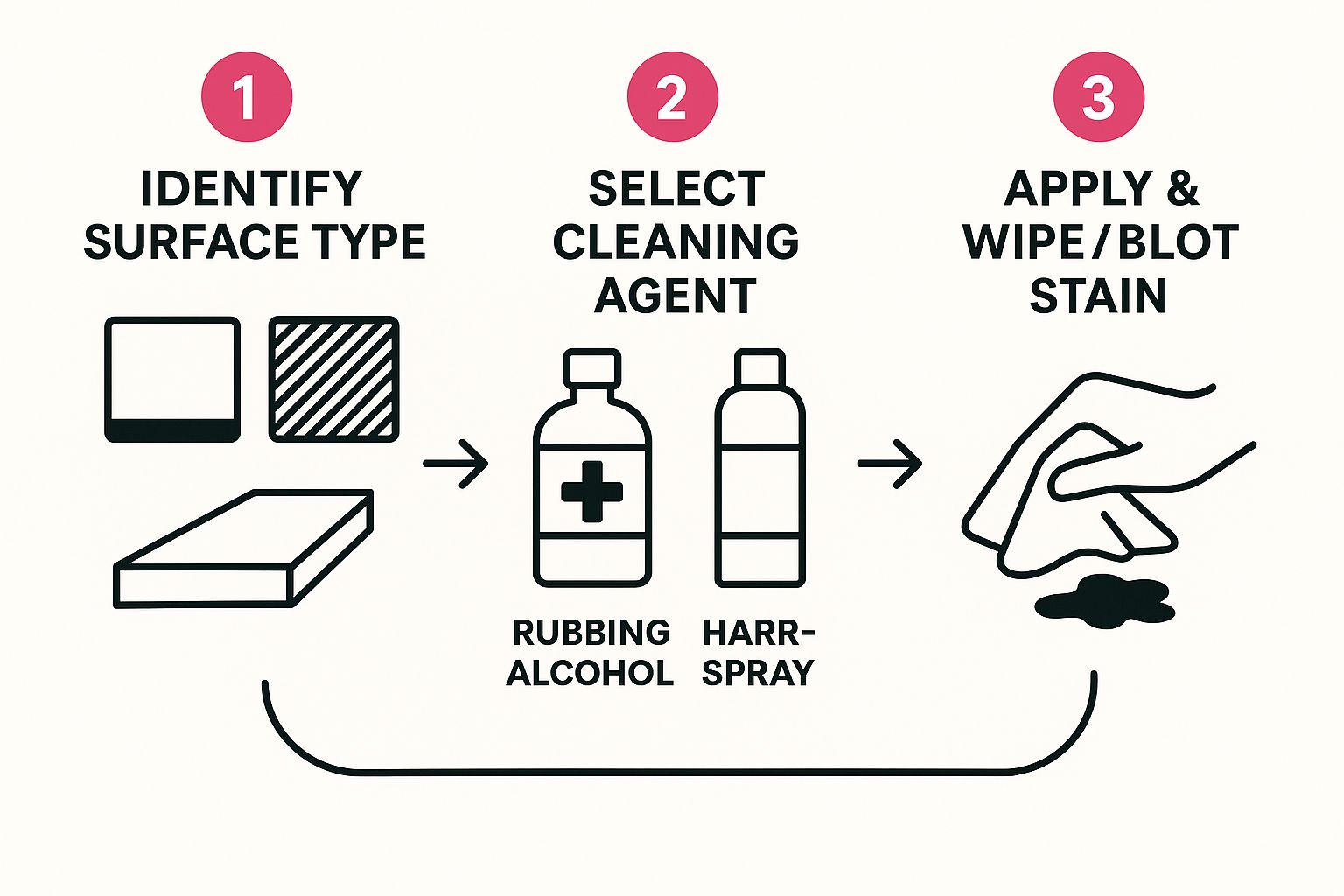
Before you start scrubbing, it helps to know what you’re working with. The key to success is acting fast and picking the right tool for the job.
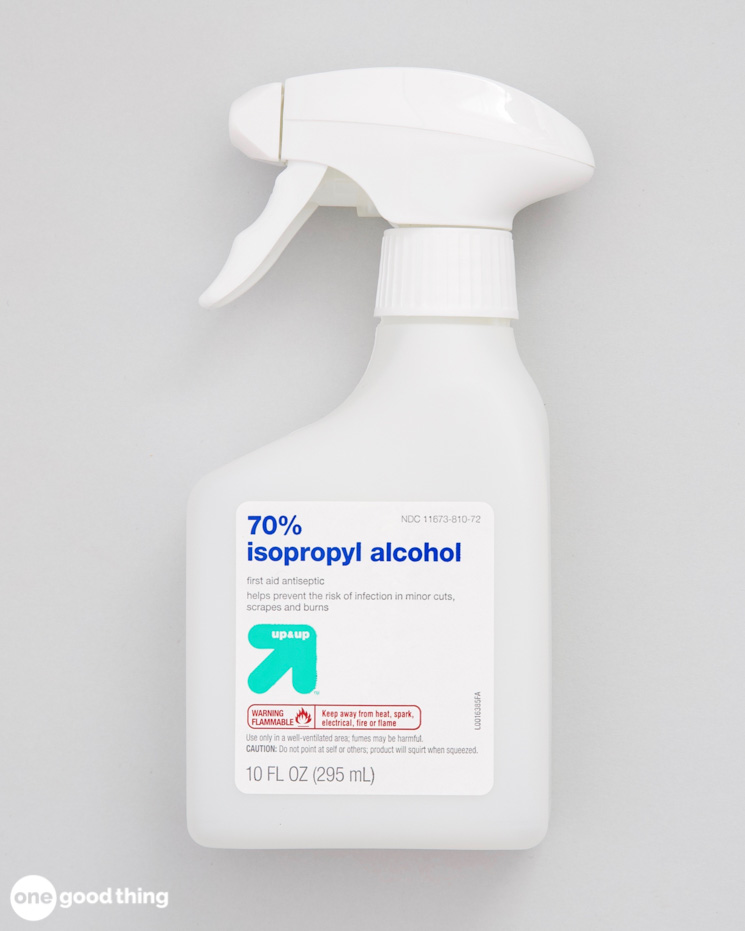
- For hard, non-porous surfaces like countertops, glass, or metal, rubbing alcohol is usually your best bet. It acts as a solvent that dissolves the ink without damaging the surface.
- For fabrics and clothing, an alcohol-based hairspray can work wonders. The alcohol breaks down the ink, allowing you to blot it away before washing.
- Always test first! This is my golden rule. No matter the method, find a small, hidden spot to test it on just to be sure it won’t cause any discoloration or damage.
This simple infographic is a great visual guide for tackling just about any permanent marker stain.
Here’s a handy chart matching common surfaces with the best and safest things to use from around your house.
Quick Guide for Marker Removal
| Surface Type | My First Choice | Also Works Well | A Quick Tip |
|---|---|---|---|
| Wood Furniture | Rubbing Alcohol | Toothpaste (non-gel) | Apply with a soft cloth and rub gently with the grain. |
| Plastic | Dry Erase Marker | Rubbing Alcohol | Scribble over the permanent marker, then wipe both away. |
| Glass / Metal | Rubbing Alcohol | Hairspray | Spray, let it sit for a minute, then wipe clean. |
| Clothing | Hairspray (alcohol-based) | Hand Sanitizer | Place a towel behind the stain to prevent it from bleeding through. |
| Leather | Distilled White Vinegar | Hairspray | Blot gently; don’t scrub, or you might spread the ink. |
| Walls (Painted) | Toothpaste & Baking Soda | Magic Eraser | Use a light touch to avoid removing the paint along with the stain. |

As you can see, the process is pretty straightforward once you identify the surface you’re working with.
These same principles apply to many other types of spills, which is why I put together a comprehensive guide on how to remove ink stains of all kinds. Tackling that mark head-on before it has a chance to set is always the key to success
Tackling Marker on Hard and Shiny Surfaces
Let’s start with the easy wins—those non-porous surfaces like glass, countertops, metal, and even some plastics. My number one hero for these jobs is good old rubbing alcohol. It’s a simple, inexpensive solution that I always keep on hand for surprise scribbles on my stainless steel fridge or kitchen counters.
Just dampen a cotton ball or a soft cloth with rubbing alcohol, then gently rub the mark. You’ll see the ink start to dissolve almost immediately! Wipe away the residue with a clean, damp cloth, and you’re done.
Rubbing alcohol is my go-to for surfaces like glass and countertops, and for good reason! I’ve found it successfully removes fresh marks a huge majority of the time. It works by breaking down the non-polar components in the ink, making it easy to wipe away without damaging most hard surfaces.

The Surprising Dry-Erase Marker Trick
Here’s one of my favorite little tricks that feels like magic. If you’ve got a permanent marker stain on a very smooth, non-porous surface like a whiteboard or glass, you can often remove it with a dry-erase marker!
It sounds strange, I know, but the solvent in the dry-erase ink is the key to dissolving that stubborn permanent ink.
My Simple Method: Just draw directly over the permanent marker stain with the dry-erase marker, making sure to cover it completely. Then, wipe it all away with a soft cloth or a whiteboard eraser. Both marks should disappear together!
More Ideas You'll Love

Other Helpers for Hard Surfaces
While alcohol is my top choice, a few other items can also do the trick in a pinch. If you’re out of rubbing alcohol, don’t fret! You have options.
- Hand Sanitizer: Most hand sanitizers have a high alcohol content, making them a great substitute for rubbing alcohol.
- Hairspray: An aerosol hairspray containing alcohol can also break down the ink. Just spray and wipe.
- Magic Erasers: These can be very effective, but be gentle! They’re slightly abrasive, so a light touch is best. For more ideas, you might be interested in these other brilliant uses for magic erasers.
Removing Ink from Wood Furniture and Floors
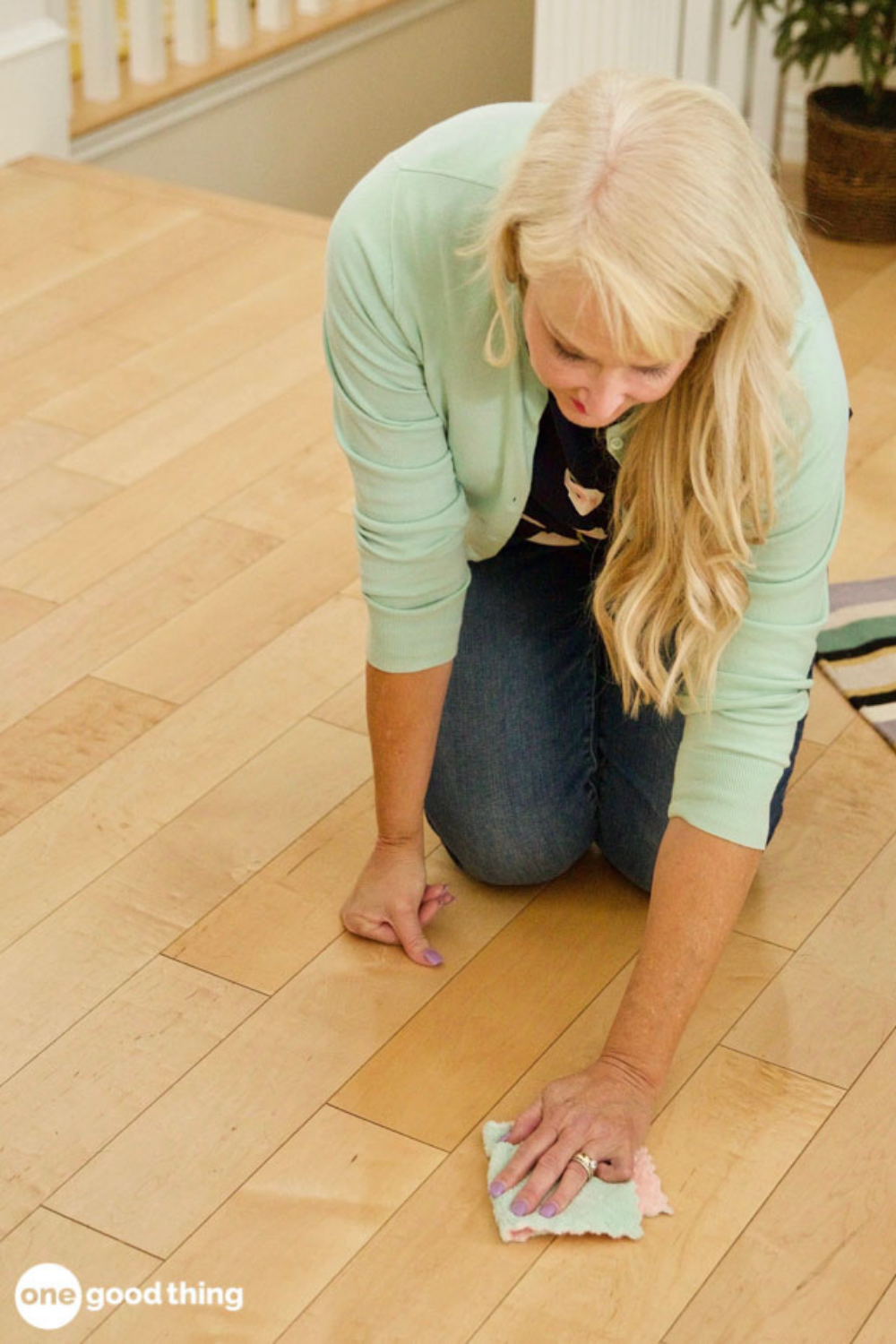
Wood can be a tricky surface. It’s porous, and there are so many different finishes, from glossy polyurethane to rustic raw wood. Over the years, I’ve successfully saved many wooden pieces from permanent marker doom! The secret is to start gently and work your way up to stronger solutions, always protecting that beautiful finish.
My first line of defense is surprisingly simple—a dollop of plain white toothpaste. The key here is to use a paste, not a gel. Apply a small amount to a soft, damp cloth and gently rub the marker stain, making sure to always move with the wood grain.
My Golden Rule: Before you try anything, always, always test your cleaning method on a small, hidden spot first! This could be the underside of a table or the back of a furniture leg. It’s the absolute best way to make sure you won’t cause any unexpected damage.
For Tougher Stains on Finished Wood
If the toothpaste trick doesn’t quite cut it, you can carefully bring out the rubbing alcohol. This is definitely a stronger option, so you have to use it sparingly to avoid stripping the wood’s finish.
Here’s how I do it:
- Dampen a cotton swab with just a little bit of rubbing alcohol.
- Dab it directly onto the ink, don’t rub aggressively.
- Blot gently with a clean, dry cloth to lift the stain away.
- Immediately wipe the area with a fresh, damp cloth to remove any leftover alcohol residue.
For anyone interested in environmentally friendly options for other household messes, this resource on natural floor cleaning solutions has some great ideas.
A Special Note on Unfinished Wood
Unfinished wood is a whole different ballgame because it will soak up stains—and cleaners—like a sponge. For these situations, you may need to lightly sand the area with fine-grit sandpaper. Just move carefully with the grain to remove the very top layer where the ink has settled.
Afterward, you’ll want to keep your floors looking their best with a good cleaning routine. If you’re looking for a great recipe, check out my favorite DIY cleaner for wood floors.

Rescuing Clothes and Fabrics from Marker Mayhem
A dark, inky line on a shirt or your couch can feel like a total disaster. I get it! But before you panic, I have some laundry magic to share that can save the day. Seeing that streak on your favorite pair of jeans or your kid’s t-shirt doesn’t mean it’s headed for the rag pile.
More Ideas You'll Love

When it comes to fabric, the game plan is to dissolve the ink and carefully lift it away. The most important thing to remember is to treat the stain before it ever sees the inside of a washing machine, and definitely before it hits the dryer! Heat is the enemy here; it will set that permanent ink for good, making it nearly impossible to remove.

Hairspray to the Rescue
One of my all-time favorite old-school tricks that genuinely works is a simple can of alcohol-based hairspray. It’s the alcohol in the hairspray that acts as the solvent, breaking down the stubborn ink.
Here’s my go-to method:
- First, slide a clean cloth or a stack of paper towels under the stained part of the fabric. This is a crucial step! It creates a barrier to stop the ink from bleeding through to the other side.
- Next, spray the hairspray directly onto the marker stain until it’s good and saturated.
- Let it sit for about a minute, then take another clean, dry cloth and start blotting the stain. Whatever you do, don’t rub! Rubbing just pushes the ink deeper into the fibers and makes the stain spread.
- Keep dabbing and blotting with a fresh part of your cloth until you can’t see any more ink coming off.
Once you’ve lifted as much of the stain as possible, go ahead and launder the item like you normally would. If you’re up against other tough spots, I’ve got more tips in my detailed guide on how to remove stains from clothes.
Other Fabric-Safe Solutions
No hairspray in the house? No worries. Hand sanitizer is another fantastic option, thanks to its high alcohol content. Just put a little dab on the stain and follow the exact same blotting process.
The real key to saving fabrics is patience. You might need to repeat the blotting process a few times to get all of that ink out, but stick with it! A few extra minutes of work is always better than giving up on a piece of clothing you love.
It’s clear that good stain removal tips are always in demand! I’ve seen firsthand how much people appreciate learning simple, effective ways to tackle these messes at home. For more general advice that works wonders on all sorts of fabric-based stains, you might find some useful ideas on removing tough stains from carpets and upholstery.
What to Do When the Marker Gets on Skin
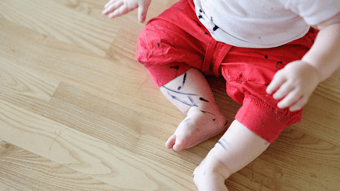
If you have kids, you know this one is practically a rite of passage! Seeing permanent marker scribbled on your little one’s hands (or face!) can be a bit alarming, but the solution is usually gentle and surprisingly simple.
The good news is that our skin naturally produces oils that help break down the ink, so a lot of the work is already being done for us! But for those times when you need it gone sooner, there’s no need to reach for harsh chemicals or scrub until their skin is raw. The best trick is often something you already have in your medicine cabinet or makeup bag.
My Gentle, Skin-Safe Solutions
When my grandkids end up with more marker on themselves than on the paper, I turn to a few trusted, gentle removers. The real key here is to be patient and kind to their delicate skin. You can get that ink off without any tears!
- Makeup Remover: The oil-based kind is fantastic because it’s literally designed to dissolve tough, long-lasting products without irritation.
- Baby Oil or Coconut Oil: These are my absolute favorites! They are incredibly gentle, moisturizing, and work wonders at loosening the ink.
- Sunscreen: This one might surprise you, but many lotions and sunscreens have an oily base that helps break down the marker.
It’s pretty amazing how our bodies work, isn’t it? Our skin’s natural oils can help fade most of a permanent marker stain within just a couple of days with normal hand washing. Even just simple soap and water can often remove the majority of the stain right away, making it a perfectly safe first step.
My method is to apply your chosen remover, let it sit on the skin for a minute to work its magic, and then gently wipe it away with a soft cloth or cotton ball. Use a soft, circular motion. You might need to repeat this a couple of times, but it’s so much better than harsh scrubbing!
For a slightly stronger approach on tougher spots (and I’d only recommend this for adults!), you can use a bit of rubbing alcohol, but be very sparing as it can be drying. I actually wrote a whole post about the other surprising household uses for rubbing alcohol if you’re curious
Answering Your Toughest Marker Removal Questions
I get so many questions about stubborn stains, and permanent marker is definitely at the top of the list! It’s one thing to remove a fresh mark, but what about those really tricky situations? I wanted to take a moment to answer a few of the most common questions I hear, so you’ll feel even more prepared to handle any ink emergency that comes your way.
Think of this as your go-to guide for those head-scratching moments when you’re not quite sure what to do next.
What if I Washed and Dried a Stained Shirt?
Oh, that’s a tough one, but not always hopeless! The dryer’s heat is the real villain here because it can bake the stain into the fibers, making it much harder to lift. But don’t give up on that shirt just yet!
My first move would be to completely saturate the set-in stain with rubbing alcohol or a strong, alcohol-based hairspray. Let it sit for several minutes to really penetrate the fabric. Next, gently blot the area with a clean cloth, repeating the process a few times until you see the ink transferring.
After that, treat it with a good pre-wash stain remover and launder it again in the warmest water the fabric can safely handle. I’ve seen this method work wonders even on stains I thought were there for good.
Can Acetone or Nail Polish Remover Work?
You can use these, but you have to be extremely cautious. Acetone is a much stronger solvent than rubbing alcohol and can be incredibly harsh on many common household surfaces.
Be warned, acetone can instantly melt certain plastics, strip paint right off a wall, and ruin many synthetic fabrics and wood finishes. I only recommend trying it as a final, last-resort option on very durable surfaces like glass or ceramic, and always in a well-ventilated area. For most stains, sticking with rubbing alcohol is a much safer bet.
Is Rubbing Alcohol Safe for My Wood Furniture?
It can certainly cause damage, which is why it’s so important to be careful! Rubbing alcohol can strip away certain finishes like shellac, varnish, or lacquer, leaving a dull, hazy spot. That’s why I always, always recommend starting with a milder method, like non-gel toothpaste.
If you must try alcohol on wood, here’s how:
1. Always test it first on a hidden spot, like the back of a leg or the underside of the tabletop.
2. Apply it sparingly with a cotton swab, touching only the ink mark.
3. Blot immediately with a clean, dry cloth. Don’t let it sit!
4. Wipe the area with a fresh, damp cloth to neutralize the alcohol before drying it completely.
The key is to never let rubbing alcohol pool or sit on a wood surface, even for a few seconds.
How Do I Get Marker off a Painted Wall?
For painted walls, you have to be gentle to avoid taking the paint off along with the marker. My first line of defense is a magic eraser, which is often surprisingly effective all on its own.
If that doesn’t do the trick, try dabbing a small amount of rubbing alcohol onto a cotton ball and gently blotting the stain. Please, avoid rubbing! This can smear the ink and lift the paint right off. Another trick I’ve used is plain white toothpaste; apply a small amount, let it sit for a minute, and then gently wipe it away with a damp cloth. And of course, always test any method on an inconspicuous spot first.
What’s your most infamous mishap with permanent marker?