


If you’ve been around here for a while, you know how much I love a good DIY cleaner. There’s just something satisfying about making your own cleaning products—knowing exactly what’s in them, saving money, and still getting sparkling results.
Over the years, I’ve come to rely on a handful of versatile, trustworthy ingredients that I use again and again in my homemade cleaners. And one that’s been a staple in my cleaning cabinet for years is Castile soap.
Read More: These 9 Powerful Ingredients Are the MVPs Of Cleaning
This simple, plant-based soap does so much with so little. It’s gentle enough for washing your hands, strong enough to cut through kitchen grease, and versatile enough to use in dozens of homemade cleaning recipes—including my favorite all-purpose spray that I’ve used for years.
In this post, I’ll walk you through what Castile soap is, what makes it special, which ingredients you should (and shouldn’t!) mix it with, and my favorite ways to use it for everyday cleaning.
What Is Castile Soap?
Castile soap is one of those wonderfully simple, old-fashioned products that just works. It’s a plant-based soap that’s been around for centuries, loved for being both gentle and surprisingly powerful.
Unlike most soaps that are made with animal fats, Castile soap is made entirely from vegetable oils—usually olive, coconut, or sunflower—which give it a creamy lather and mild, effective cleaning power.
It originally came from Spain’s Castile region, where it was made with local olive oil and prized for its purity. Over time, it spread across Europe and beyond because it was just that good. Today, “Castile” simply means any true soap made from plant-based oils instead of synthetic detergents or animal fats.
Which Castile Soap Should I Use?
There are plenty of great Castile soaps out there, and for the most part, choosing one just means checking the ingredients list. A true Castile soap should be made from plant-based oils—no synthetic detergents, artificial fragrances, or animal fats hiding in the mix.
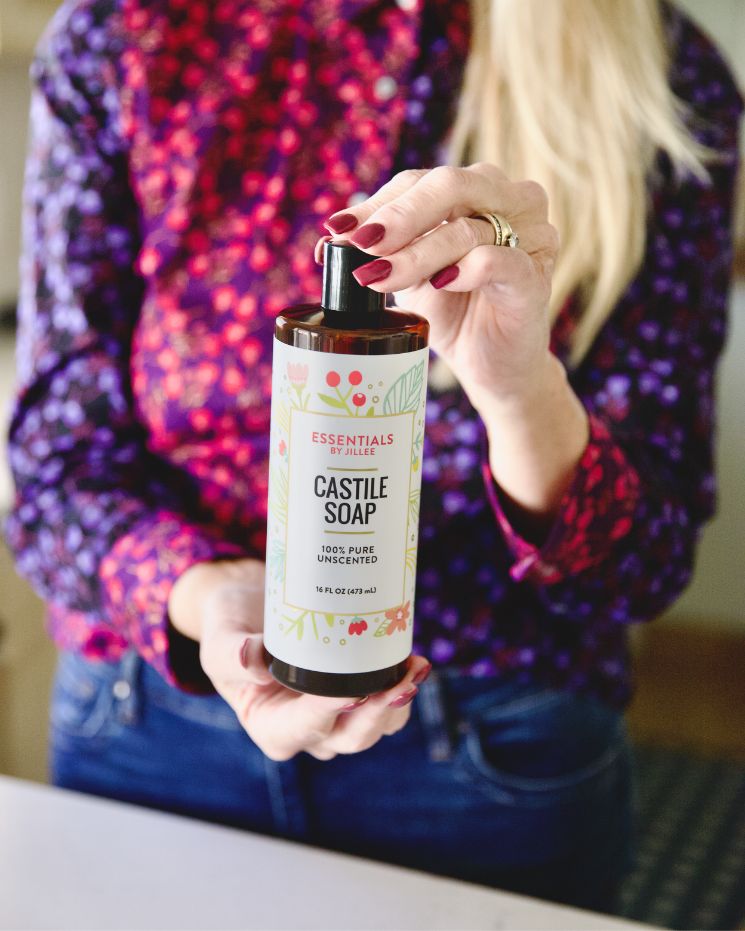
That said, I’ll admit I’m a little biased toward the one I just added to my shop—it checks all the boxes for being gentle, effective, and truly pure! I’m so excited to share that you can now find a 16-ounce bottle of pure, unscented Castile soap in the By Jillee Shop. It’s made with organic plant oils and zero synthetic detergents, so it’s safe for sensitive skin but tough enough to tackle dirty dishes or grimy counters. You can use it for just about anything—DIY hand soap, body wash, dish soap, or all-purpose cleaner. It’s one bottle that really does it all.
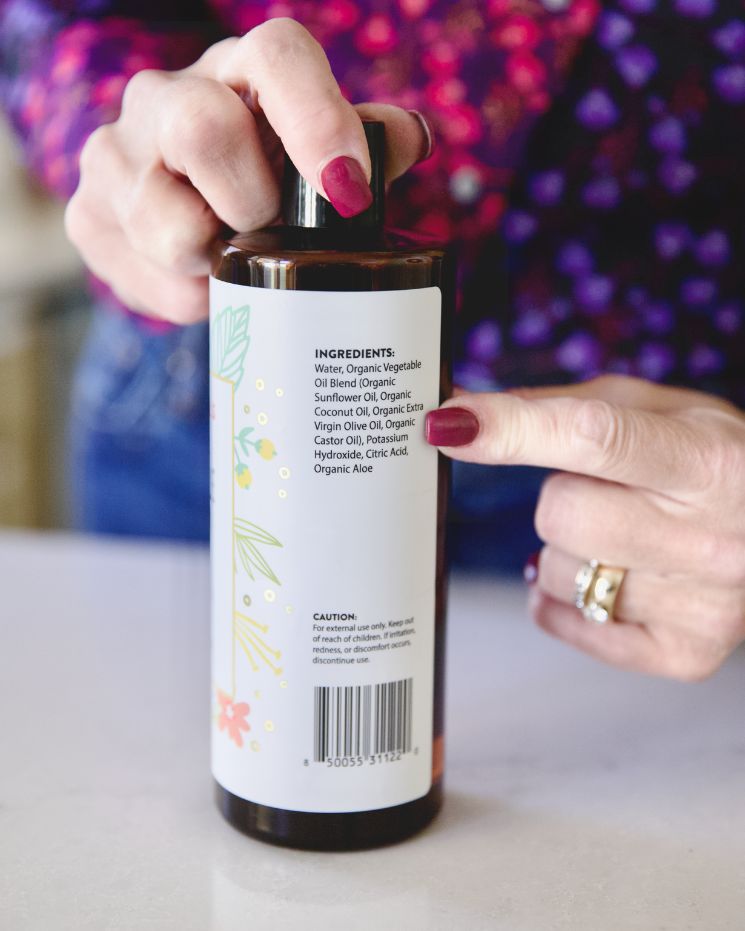
Our Castile soap is made from a thoughtful blend of sunflower, coconut, olive, and castor oils, which work together to create a balanced, skin-friendly formula. Each oil brings something special—olive oil keeps it gentle, coconut oil boosts cleansing power, sunflower oil nourishes, and castor oil adds luxurious lather. We also include citric acid to balance pH and organic aloe to soothe skin and add a silky feel.
And while what’s inside the bottle matters most, I have to admit—I love how it looks, too! The bottle features our signature floral print with gold foil accents, so it’s pretty enough to leave sitting out on your kitchen counter, laundry shelf, or bathroom sink.
What Not to Mix With Castile Soap
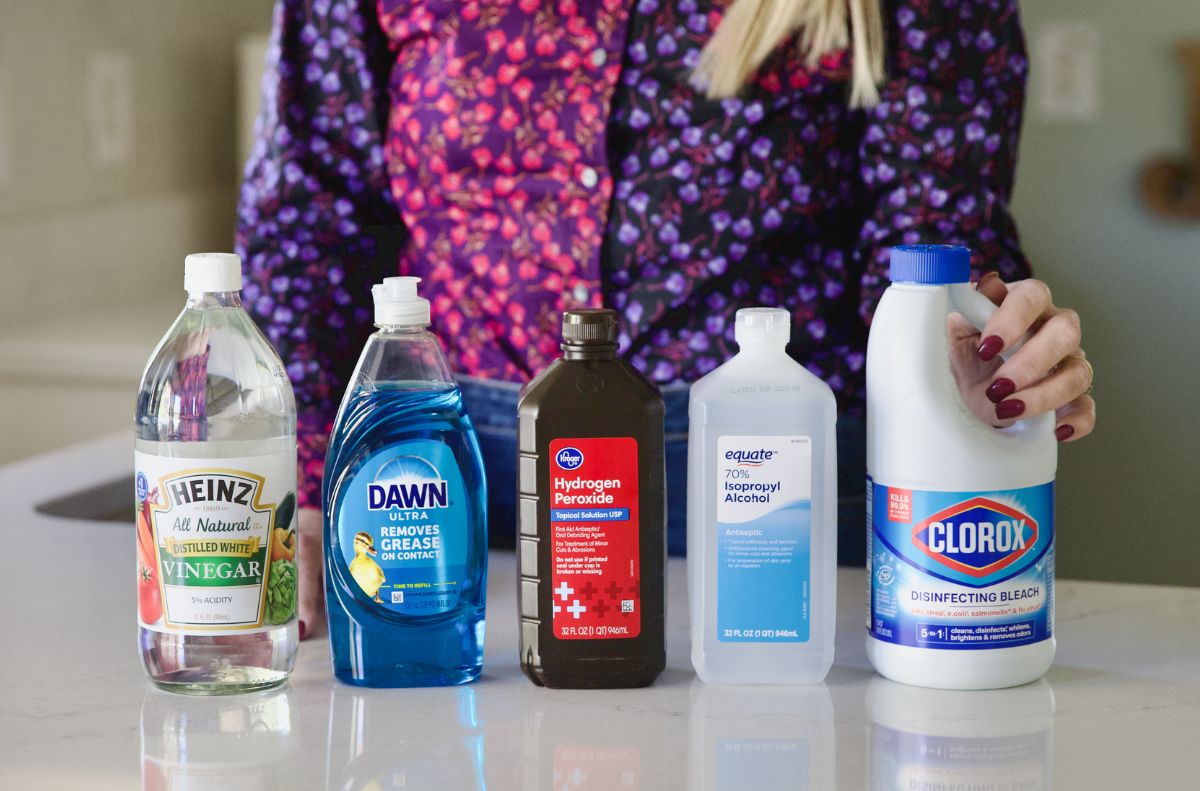
Before we get to all the great ways you can use Castile soap around the house, let’s talk about what not to mix it with. Because if there’s one thing I’ve learned after more than a decade of making DIY cleaners, it’s that “two good things” don’t always make a better one!
Here’s what to avoid (and why):
Vinegar: Vinegar and Castile soap are like siblings who can’t stop bickering—they just don’t get along. Vinegar is an acid, while Castile soap is a base, and when you mix them together, they cancel each other out in a process called unsaponification. The result? A goopy mess that won’t clean a thing.
Hydrogen Peroxide: This one sounds promising, but doesn’t deliver. When peroxide meets Castile soap and water, it quickly breaks down into plain old water and oxygen. That means you lose its disinfecting power and end up with a bubbly, unstable mix that’s not doing you any favors.
Dawn Dish Soap: I love Dawn for certain cleaning jobs, but pairing it with Castile soap just doesn’t make sense. If you’re reaching for Castile soap, you’re probably going for something natural and plant-based—so keep it simple and skip the mix.
Rubbing Alcohol: Alcohol interferes with Castile soap’s natural foaming and cleaning ability, especially in higher concentrations. If you want to clean and disinfect, do it in two steps: wash with soap first, then follow up with rubbing alcohol or a disinfecting spray once the surface is clean.
Read More: This Is What You Need to Know About Cleaning Vs. Disinfecting
Bleach: Mixing bleach with Castile soap isn’t as dangerous as combining it with ammonia (which creates toxic chloramine gas), but it’s still not a good idea. It doesn’t make either one more effective—in fact, it creates a higher-pH mixture that can irritate your skin and lungs.
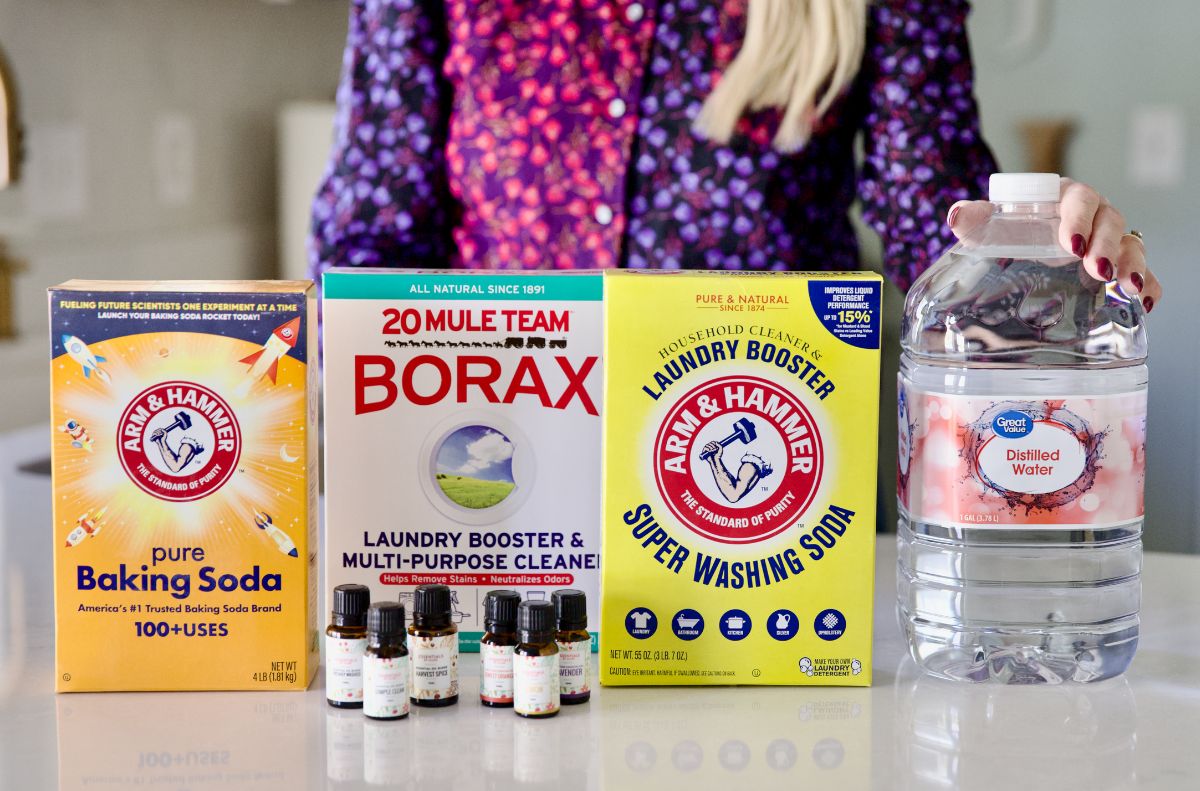
What to Mix With Castile Soap
Now, let’s talk about the ingredients that make great partners for Castile soap! These combinations not only make your cleaners more effective but also help you get the most out of every drop of soap.
Water: Water is Castile soap’s best friend. It’s what you’ll use to dilute the concentrated soap for things like hand soap, all-purpose cleaner, and dish soap. It also helps rinse away dirt and residue, leaving behind a clean, streak-free surface.
I have particularly hard water, so I almost always opt for distilled water when I make homemade cleaners. Because it’s free of minerals and impurities, distilled water helps prevent cloudiness, mineral buildup, and bacterial growth—keeping homemade cleaners fresh, clear, and effective for longer.
Essential Oils: I chose an unscented Castile soap for my shop so you can easily customize it with your favorite essential oils.
My Simple Clean blend is perfect for everyday cleaning, Freshly Washed adds a bright citrus scent, and Harvest Spice brings a warm, seasonal touch. Or keep it simple with single oils like lavender, lemon, or sweet orange.
Borax: Borax and Castile soap are a dynamic duo for heavy-duty cleaning. Borax helps stabilize the soap’s pH, softens hard water, and boosts cleaning power—especially in laundry or bathroom cleaners.
Baking Soda: Baking soda adds gentle scrubbing power to Castile soap, making it great for sinks, tubs, and stovetops. It’s perfect for tackling tough grime without scratching surfaces.
Washing Soda: Washing soda (sodium carbonate) is similar to baking soda (sodium bicarbonate), but it’s a bit stronger and more alkaline, which makes it even better for cutting through grease and grime. It pairs beautifully with Castile soap in laundry and deep-cleaning recipes, helping to soften water and break down stubborn buildup.
Read More: The Difference Between Baking Soda, Washing Soda, And Borax

9 Ways to Use Castile Soap Around Your House
I’ve been using Castile soap for years in my DIY cleaners and love how it lets me mix up exactly what I need—without a cabinet full of store-bought bottles. Here are some of my favorite ways to use it around the house.
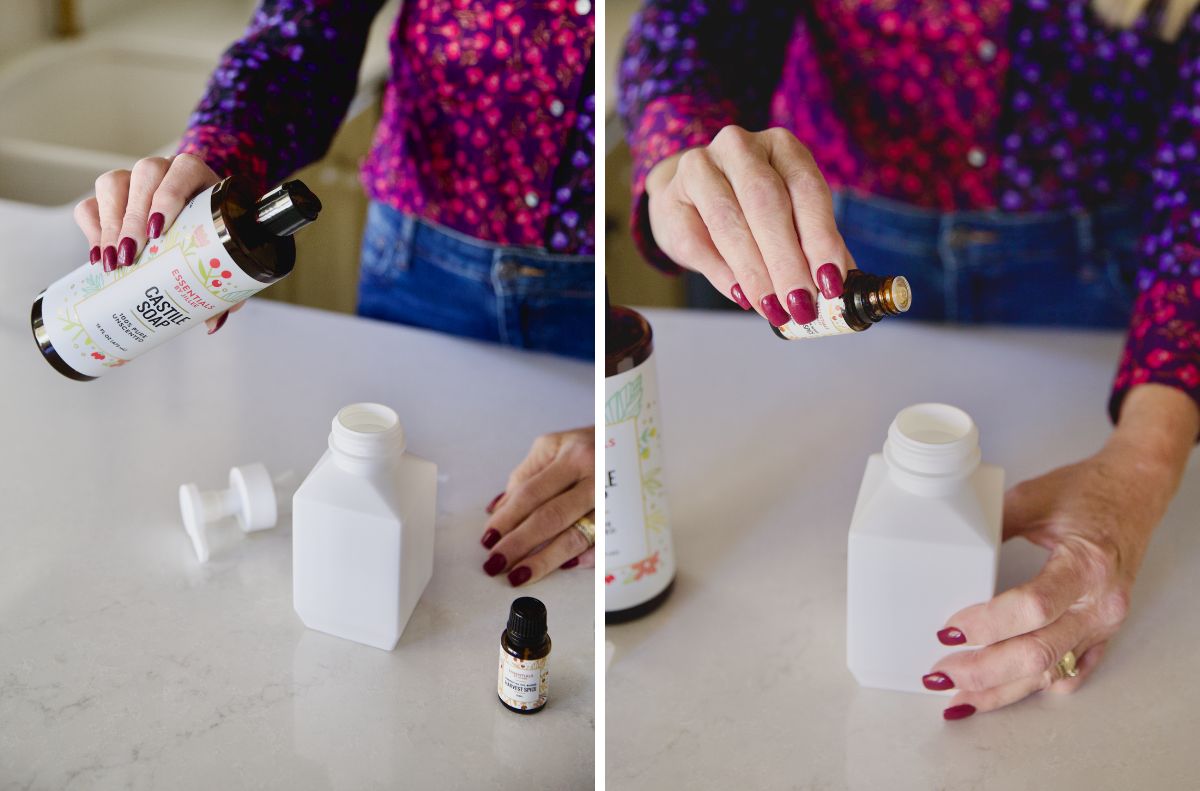
1. Foaming Hand Soap
One of my personal favorite ways to use Castile soap is for foaming hand soap. It’s so simple! In a foaming soap dispenser, mix 1 part Castile soap to 3 parts water, and add 10–15 drops of essential oil for scent. I’ve been using my new Harvest Spice blend lately, and it makes the whole sink area smell warm and cozy every time I wash my hands. It’s gentle, effective, and leaves your hands clean without feeling dry.
When a recipe calls for “parts,” it just means you can use any unit of measurement you like—as long as you keep the same ratio. For example, if you mix 1 part Castile soap to 3 parts water, that could be 1 tablespoon of soap and 3 tablespoons of water, or 1 cup of soap and 3 cups of water. The proportions stay the same no matter what size “part” you use.
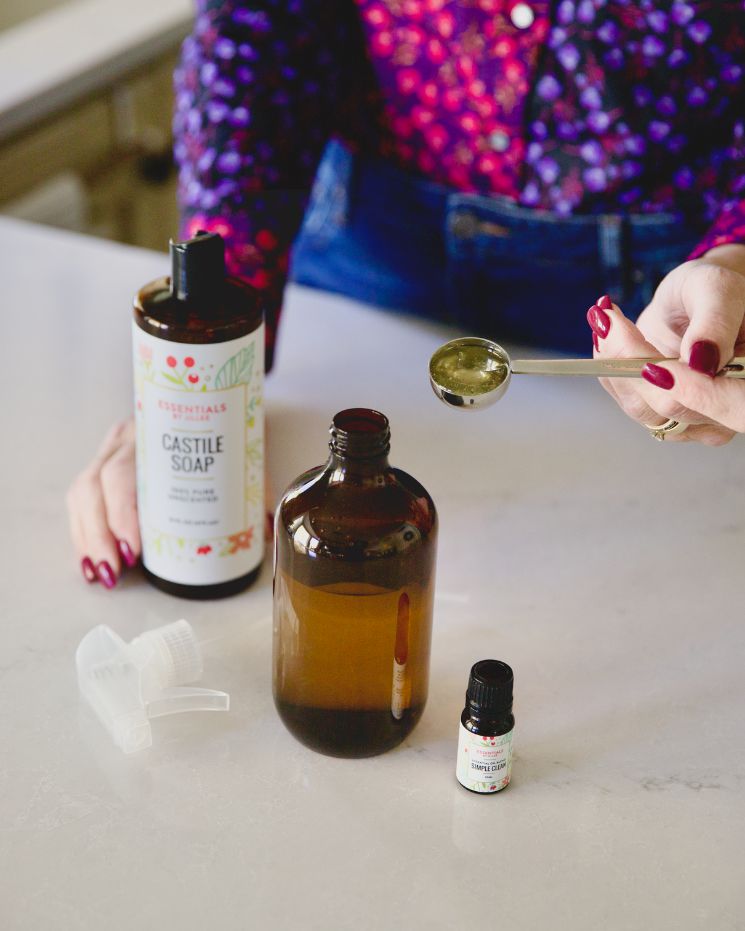
2. All-Purpose Cleaning Spray
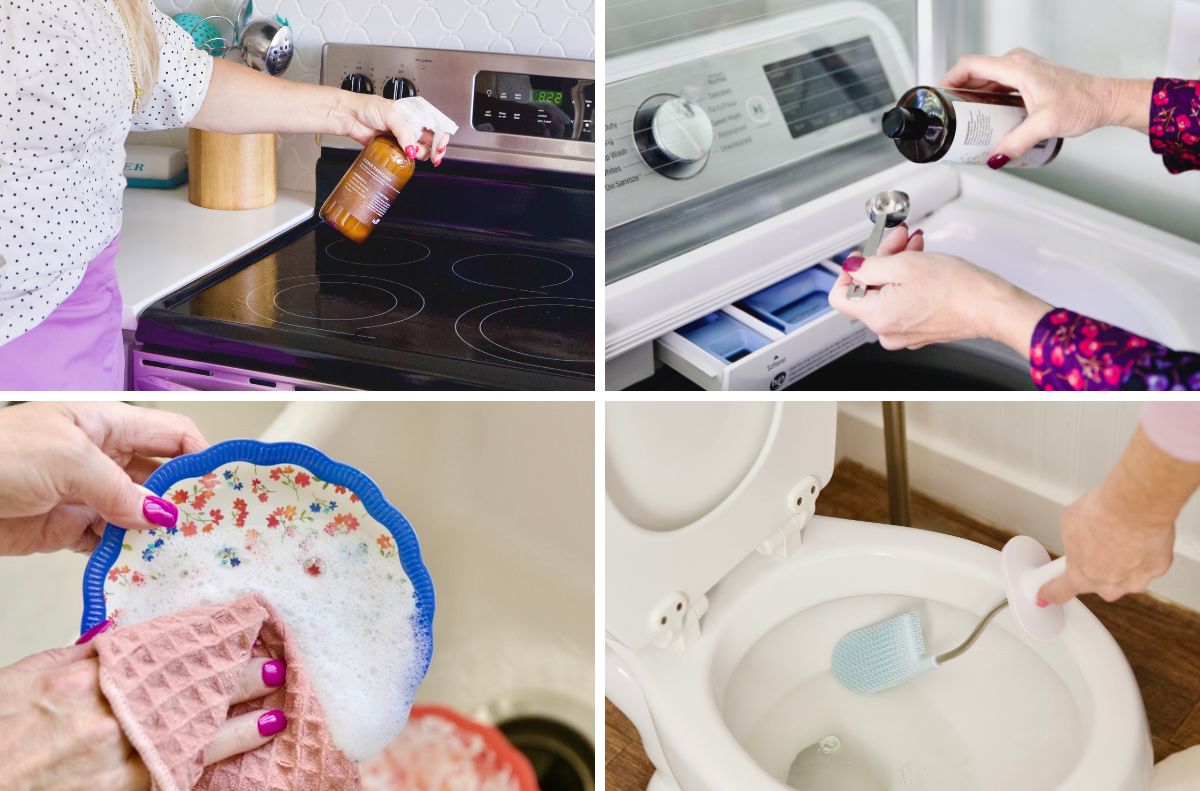
Castile soap makes a wonderful all-purpose cleaner for everyday messes. Just add 2 tablespoons of Castile soap to a 16-ounce spray bottle filled with water (distilled if possible), and mix in 20 drops of my Simple Clean Essential Oil Blend for a fresh, bright scent.
Use it on just about any surface that’s safe to get wet—stone countertops, tile, sealed wood, stainless steel, sinks, toilets, and more. It’s simple, effective, and one of those cleaners you’ll find yourself reaching for every day.

Plus, this spray is very economical! One bottle of Castile soap will make a whopping 16 bottles of all-purpose cleaning spray. That’s a win for your wallet and the environment.
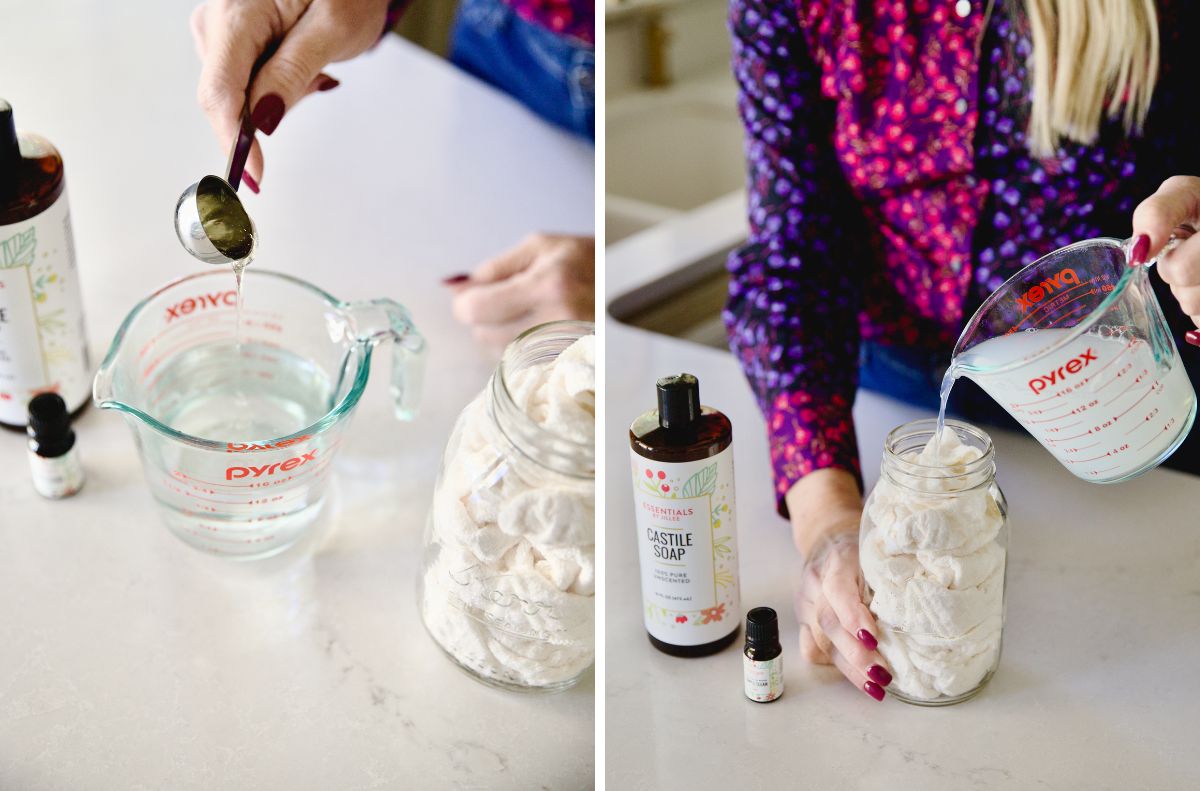
3. Reusable Cleaning Wipes
If you love the convenience of cleaning wipes but hate the waste, this one’s for you. I like to make my own by filling a quart-sized mason jar with clean cloths or rags. In a separate container, mix 1½ cups distilled water, 1 tablespoon Castile soap, and 20 drops of my Simple Clean Essential Oil Blend, then pour the mixture over the cloths. Let them soak for about 20 minutes so they absorb all the liquid, and you’ve got reusable wipes that are just as convenient as store-bought—without the cost or the plastic waste.
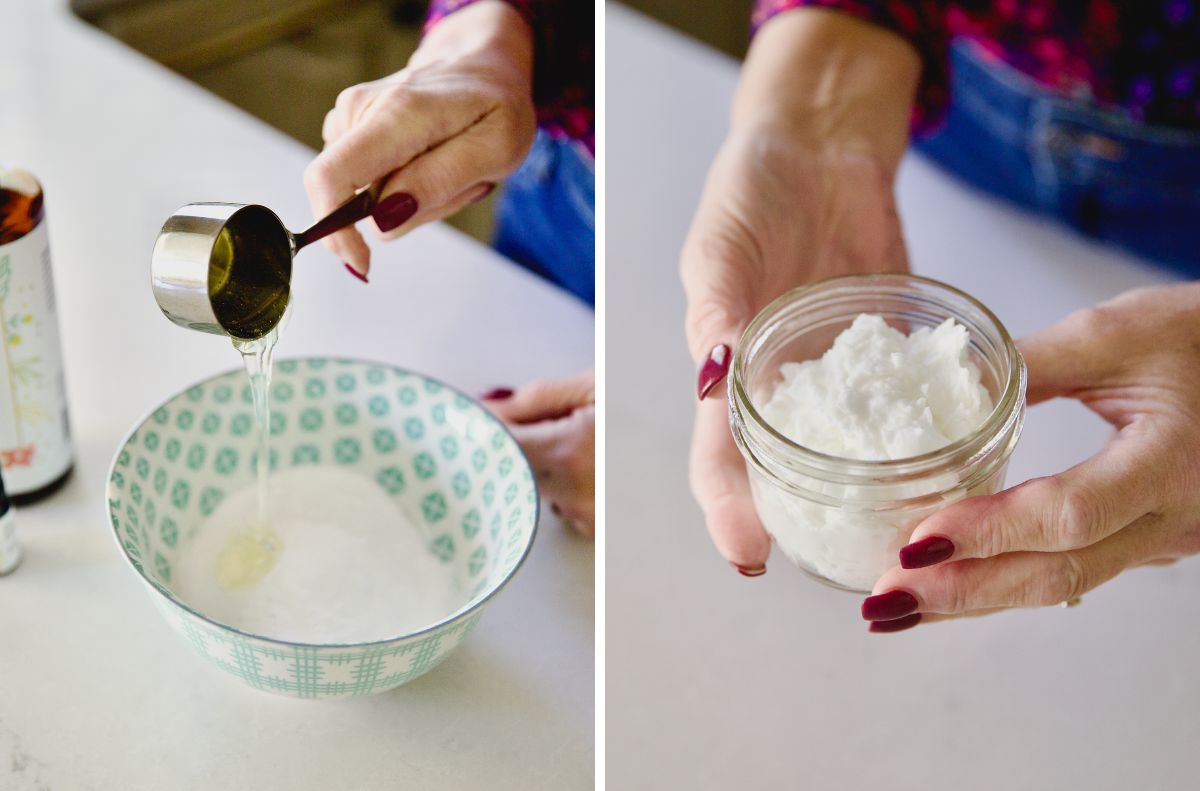
4. “Soft Scrub” Cleanser
For tough jobs like soap scum, sinks, or dirty grout, Castile soap makes a fantastic base for a homemade “Soft Scrub”-style cleaner.
In a small bowl, combine ¾ cup baking soda and ¼ cup Castile soap, then add 1 tablespoon of water and 10 drops of my Simple Clean Essential Oil Blend. Stir until it forms a thick paste, then transfer it to a container for storage. Scoop a little onto a damp sponge and scrub away! It’s gentle on most surfaces but tough on grime. Just avoid using it on porous materials like untreated wood or granite.
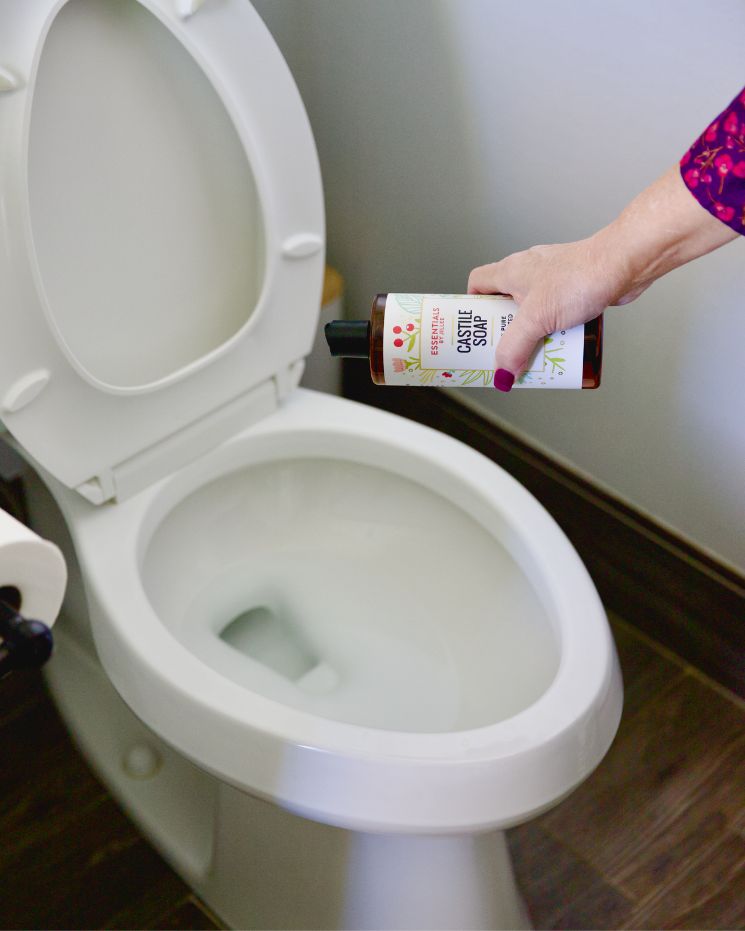
5. Toilet Bowl Cleaner
This one couldn’t be easier. Squirt a few drops of Castile soap directly into your toilet bowl, scrub with your brush, and flush. For extra cleaning power, sprinkle a bit of baking soda onto the brush before scrubbing. It’s quick, effective, and leaves the bathroom smelling fresh—no harsh chemicals required.
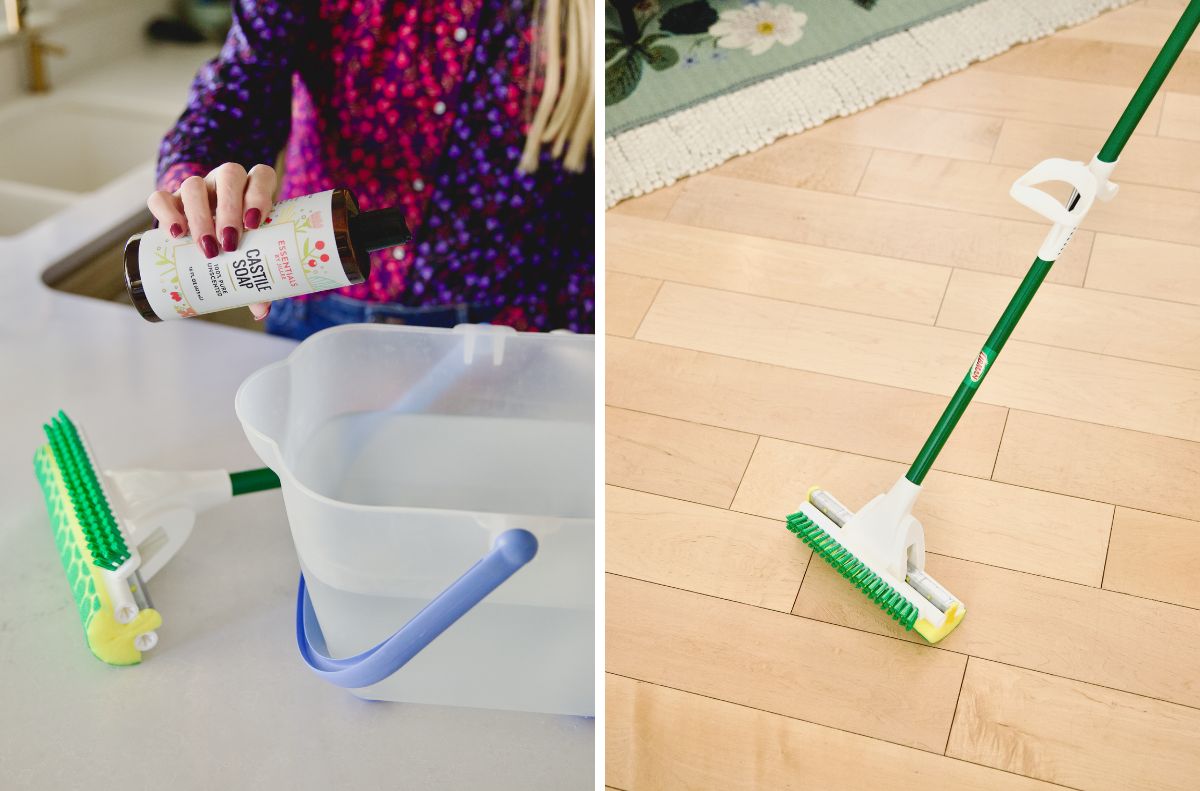
6. Mopping Solution
When it’s time to mop, make your own natural floor cleaner instead of reaching for something store-bought. Add 2½ tablespoons of Castile soap to 1 gallon of hot water, then mop as usual. It works beautifully on tile, vinyl, and laminate floors, leaving them clean and shiny. Just be careful not to overdo it on wood floors—use a lightly damp mop rather than a soaking wet one to avoid damage.
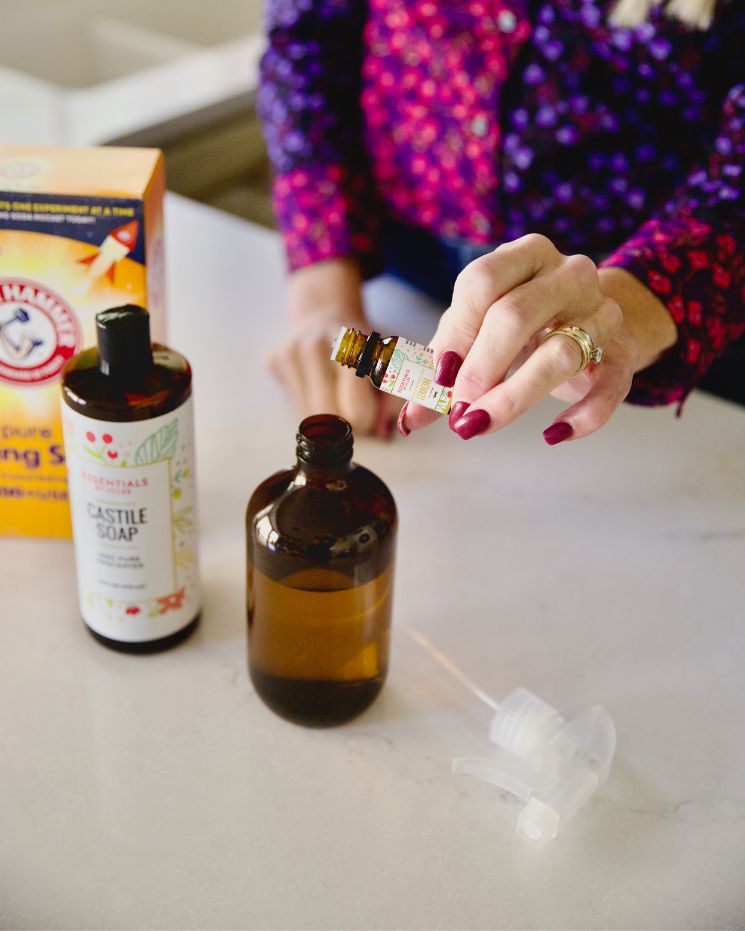
7. Citrus Degreaser
For greasy kitchen messes, I like making a quick citrus degreaser spray that smells as good as it works. In a 16-ounce spray bottle, combine 2 cups of warm water, 2 tablespoons of baking soda, 2 teaspoons of Castile soap, and 20 drops of lemon essential oil. Shake well before each use, spray onto greasy spots, and wipe clean with a damp microfiber cloth. Follow with a dry cloth for a streak-free shine. It works wonders on stovetops, range hoods, and even the inside of your oven.
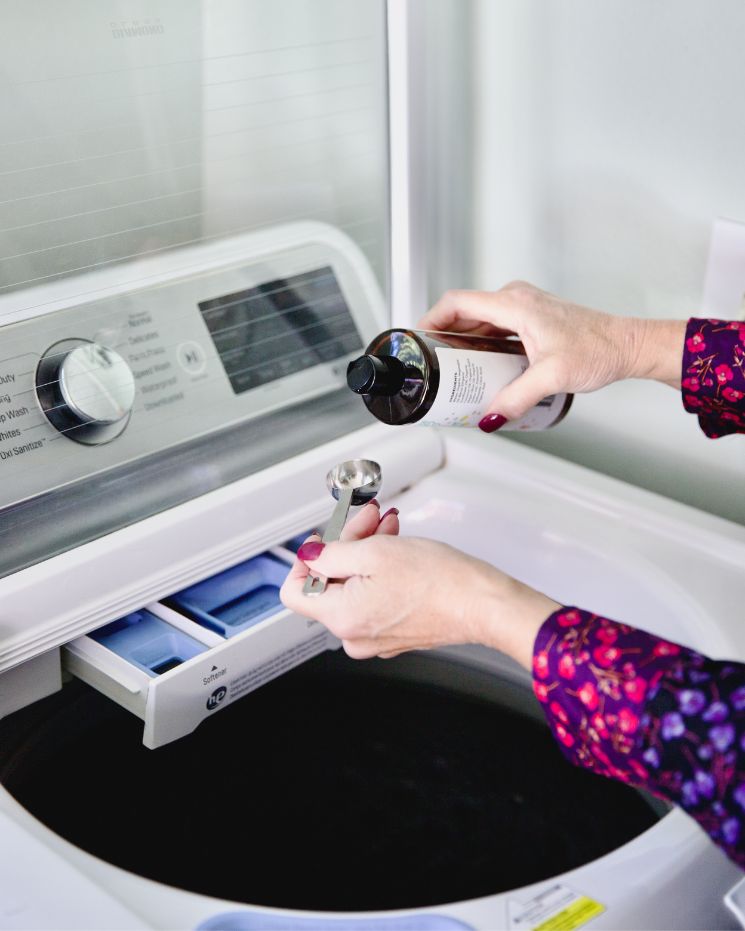
8. Laundry Soap
Castile soap works beautifully as a gentle, natural laundry detergent. Add 2–4 tablespoons to an HE washer or 4–8 tablespoons to a standard machine, depending on your load size. It cleans effectively without harsh chemicals and is especially great for people with sensitive skin. During the rinse cycle, add ½ cup of white vinegar as a natural fabric softener—just be sure it’s the rinse cycle so it doesn’t mix directly with the soap.
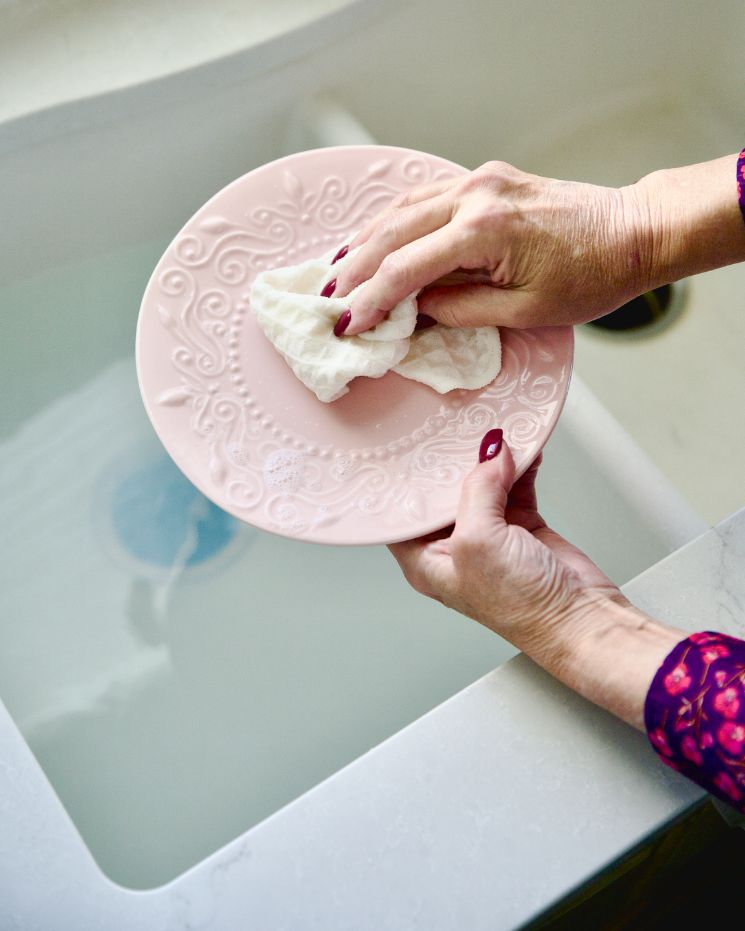
9. Dish Soap
Castile soap also makes a fantastic handwashing dish soap. Fill your sink with warm water and add 1–2 tablespoons of Castile soap. Wash and rinse your dishes as usual for sparkling clean results. To make a bottled version, mix 1 part Castile soap with 10 parts water in a squeeze or pump bottle. Because Castile soap creates a lot of suds, it’s best not to use it in the dishwasher—but for handwashing, it’s a gentle, non-toxic alternative that leaves your dishes squeaky clean.

The Bottom Line
If you’ve been looking for one simple product that can take the place of a dozen bottles under your sink, Castile soap might just be your new go-to. It’s gentle, effective, and endlessly versatile—perfect for anyone who loves a clean home without harsh chemicals or waste.
I’ve used Castile soap for years in my own DIY cleaners, and I’m so happy to now offer a pure, unscented version in my shop that’s earned a permanent spot in my cleaning routine. Whether you use it for hand soap, a mopping solution, or your next homemade cleaner, I think you’ll be amazed by how much this one bottle can do—and how easy it makes keeping your home naturally clean.




Have used it, and loved it, for years. Had no idea it could be used for so many things! Thanks for the info!
Please log in or create a free account to comment.After mopping, do I need to rinse with clean water?
Please log in or create a free account to comment.Nope!
Please log in or create a free account to comment.Yes, leaves a filmy residue
Please log in or create a free account to comment.As with so many of your other posts, I love this one! I have the lavender castile soap (liquid form), and a few things occurred to me as I read this post. Since this is gentle enough to use as baby wash, I was wondering if it could be used as an incontinence cleanser. Second, could the foot scrub be modified with different essential oils to use as a hand scrub? I have neuropathy in my hands and feet, so when they’re tingling or burning, I like to use peppermint products. Got any suggestions for a peppermint foot cream? Third, when I made the foaming hand soap, I found that my hands were just as dry, if not more so, after I used the homemade foaming soap. I could have done something entirely wrong, or my extremely difficult-to-treat dry/sensitive skin could have reacted to any number of things. Do you have additional hand soap recipes? What about making a combination soap and scrub? Last, and aren’t you glad?, with the sinus congestion tip, since I have lavender castile soap, I was wondering if spearmint essential oil could be used as a sub. Thanks for all of your totally awesome ideas! You make learning about DIY’s fun, easy, and just plain fascinating!
Please log in or create a free account to comment.Hi Bethany! First, yes castile soap is gentle enough to use on any body parts – even the delicate ones. Second, yes, you can use any oils you’d like to in the hand scrub. And third, I’d suggest adding some carrier oil to your foaming soaps – it provides a lot of moisture!
Please log in or create a free account to comment.Here’s a foaming hand soap recipe: https://jillee.co/2Lq87Xw
And a soapy hand scrub recipe: https://jillee.co/2LpXofL
Lastly, mint-y oils can be a little intense on the skin. If you do want to use spearmint oil, just be sure to use only a drop or two. :-)
I have been using castile soap for about two years now, mostly for bathing and cleansing my face. Recently I decided to try it on my hair a couple times a month. It makes my curling hair softer and more managable.
Please log in or create a free account to comment.Love all the recipes included in this post. I intend to use them all.
Do you use the liquid castile soap alone as a shampoo ? This sounds healthier than regular shampoo with sulfates in them. Thanks
Please log in or create a free account to comment.Absolutely… It is gentle and cleansing…