


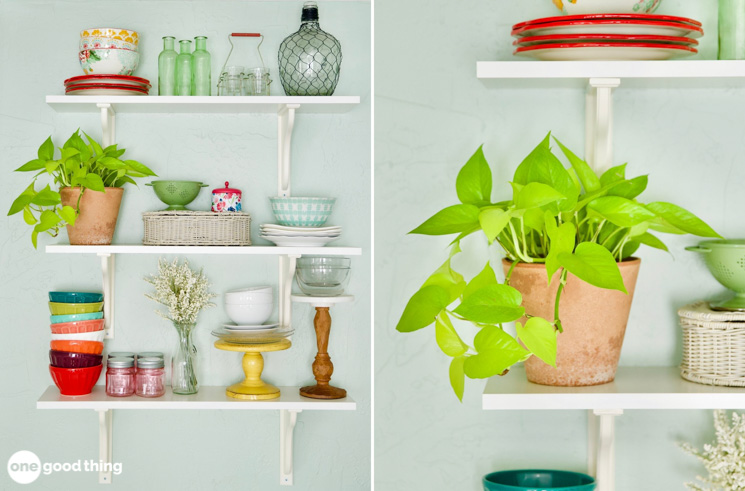
So, you brought a new plant home. It’s such a great feeling to add a little piece of nature to your space, isn’t it? I put together this complete indoor plant care guide to share all the simple, down-to-earth tips I’ve picked up over the years. We’ll walk through everything from light and water to soil and pests, and I promise to make it feel less like a chore and more like getting to know a new friend.
Let’s Start Your Indoor Garden Journey
My house is full of leafy friends now, but I still remember that feeling of bringing home my first plant. I was constantly second-guessing myself. “Is that leaf supposed to be yellow? Did I water it too much?” If any of that sounds familiar, you’re in the right place.
This guide is for anyone who just wants to enjoy their houseplants without all the stress. I’ve gathered up my best advice—the stuff that has genuinely saved my own plants more than a few times. Think of this as a conversation where I’m just passing along what really works.
What We’ll Cover Together
Instead of getting bogged down with rigid rules, we’re going to focus on learning to read your plants’ cues. It’s much more about simple observation than sticking to a strict schedule.
Here are a few of the things we’ll get into:
- Learning Your Light: How to find that perfect sunny (or not-so-sunny) spot for each plant.
- Watering Wisely: We’re ditching the calendar and I’ll teach you my go-to “finger dip” test.
- The Right Foundation: Picking out the perfect soil mix to keep those roots happy.
- Keeping Pests Away: Simple, natural tricks for when you get a few unwanted visitors.
My goal is pretty simple: I want you to feel confident enough to not just keep your plants alive, but to help them really flourish. There’s nothing quite like watching them grow!
If you’re drawn to the super low-maintenance crowd (and who isn’t?), you might want to start with a detailed succulent plant care guide to get your feet wet. They’re wonderfully forgiving and perfect for beginners.
Alright, let’s get our hands a little dirty and start turning your home into the green oasis you’ve been dreaming of.
Quick-Start Plant Care Cheat Sheet
For a quick reference, here are the absolute basics for happy plants. Keep this handy as you get started!
| Care Essential | My Simple Rule of Thumb |
|---|---|
| Light | Most plants love bright, indirect light. Think near a window, but not in the direct sunbeam. |
| Water | Water when the top inch of soil is dry. It’s better to underwater than overwater! |
| Soil | Use a well-draining potting mix. Soggy roots are unhappy roots. |
| Humidity | Kitchens and bathrooms are great spots. Otherwise, a light misting now and then does wonders. |
This little table covers the fundamentals, but as we go on, you’ll learn how to fine-tune your approach for each specific plant in your collection.
Finding the Perfect Sunlight for Your Plants
Getting the light right for your plants can feel like the biggest puzzle of all, but I promise it’s much simpler than it seems. The trick is to learn how to “read” the sunlight in your own home, just like you’d read a recipe. Not all light is created equal; what a sun-loving succulent adores will quickly scorch a delicate fern.
Let’s start by decoding the light you already have. Look at your windows. Does the sun stream directly in for hours? That’s direct light. If the room is bright but the sunbeams don’t actually touch the spot, that’s bright, indirect light—the sweet spot for most houseplants!
If your space lacks sufficient natural light, exploring some effective ways to brighten a dark room can make a world of difference for your leafy friends. Sometimes a few simple tweaks are all it takes to create a more plant-friendly environment.
My Favorite Sunlight Trick
Here’s a little secret I use all the time: the hand shadow test. It’s so clever and easy!
More Ideas You'll Love

Just hold your hand up about a foot from where you want to put your plant.
- A sharp, clearly defined shadow means you have bright, direct light.
- A softer shadow with fuzzy edges indicates bright, indirect light. Perfect!
- A faint, barely-there shadow signals low light.
This quick test is a huge help when you’re trying to figure out the best spot for a new plant.
Paying attention to how your plant looks is the best way to know if it’s happy. Plants are great communicators if you know what to look for!
Is your plant getting long and “leggy,” stretching toward the window? It’s politely asking for more light.
On the other hand, if you see brown, crispy spots or faded-looking leaves, it’s probably getting a bit of a sunburn and needs to be moved away from the intense rays.
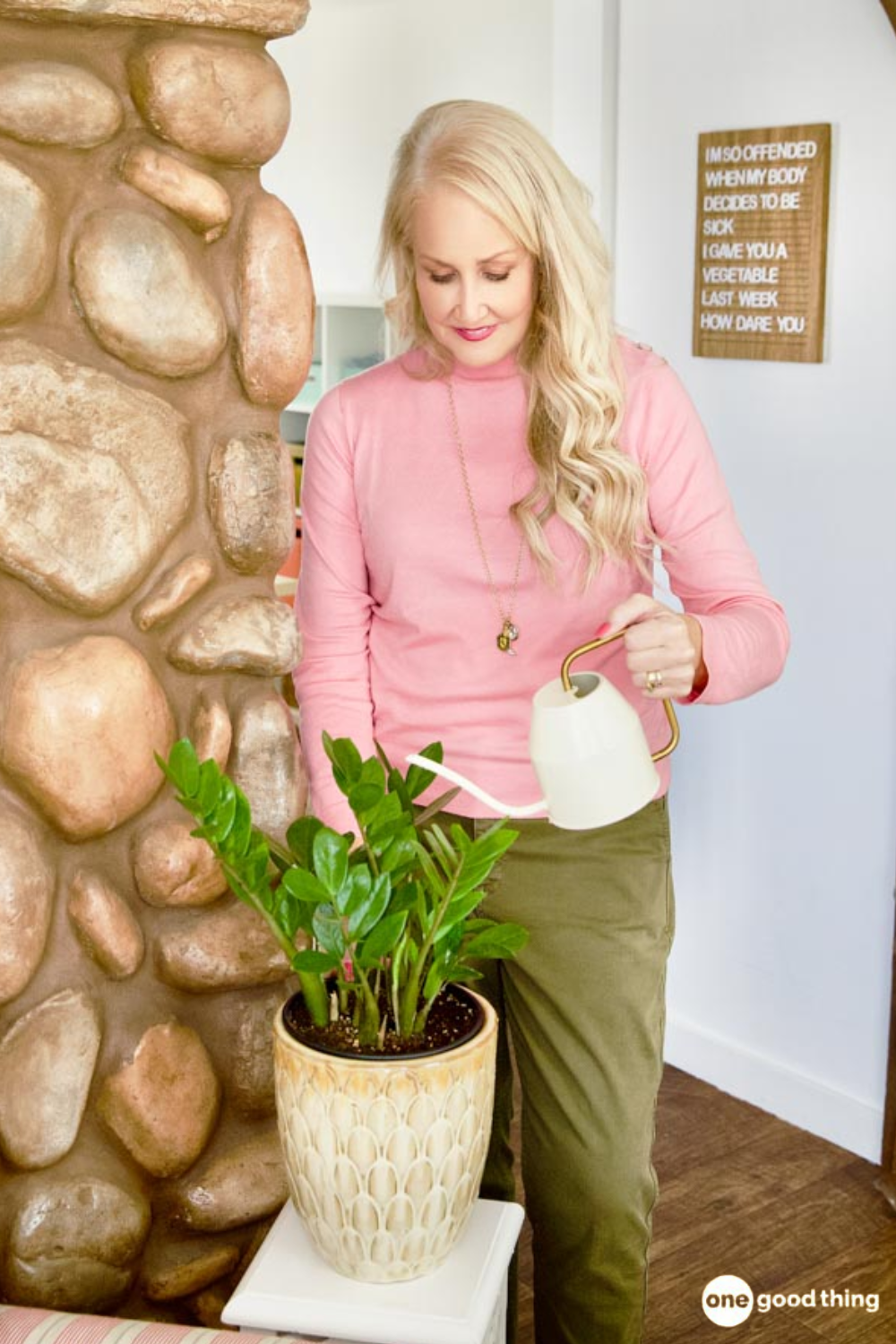
Mastering the Art of Watering Houseplants
Watering is where so many of us go wrong. And believe it or not, we usually show our plants a little too much love. Overwatering is the number one reason houseplants don’t make it, but the good news is that it’s an easy habit to fix.
Let’s start by tossing out that rigid “Watering Wednesday” schedule. The best guide for when to water is your plant itself! Different plants have different needs, and those needs change with the seasons. Instead, we’re going to learn how to listen to what our plants are telling us.
The Foolproof Finger Dip Test
This is my go-to method, and it has never failed me. It’s as simple as it sounds. Just stick your index finger about an inch or two into the soil.
If the soil feels damp and sticks to your finger, hold off on watering. If it feels dry and falls right off, it’s time for a good drink.
The goal is to let the top layer of soil dry out between waterings. This simple check prevents soggy roots, which are the main cause of so many plant problems.
More Ideas You'll Love

Remember, the type of pot matters, too. A plant in a porous terracotta pot will dry out much faster than one in a plastic or glazed ceramic pot.
You’ll also notice your plants get much thirstier during the spring and summer when they’re actively growing. In the fall and winter, they take a little rest and need significantly less water.
How to Water the Right Way
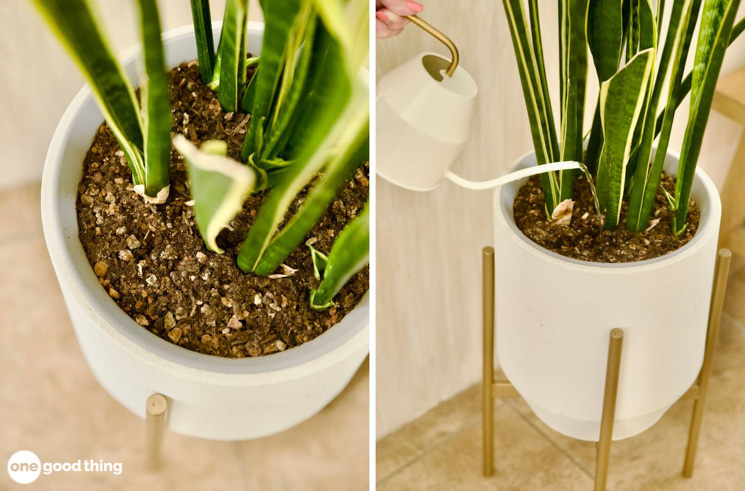
When you do water, do it thoroughly. A tiny sprinkle just moistens the top surface and encourages shallow roots. Don’t do that!
Instead, give your plant a good, long drink until water runs out of the drainage holes at the bottom. This ensures the entire root ball gets hydrated.
This technique helps the roots grow deep and strong, creating a much healthier and more resilient plant. I also find that understanding the benefits of watering plants in the morning can make a surprising difference in their overall health.
If you’ve accidentally overwatered, gently tip the pot to drain any excess water and improve air circulation around the base. If your plant is droopy and the soil is bone-dry, a deep soak should perk it right back up.

Choosing the Right Soil and Creating Humidity
Okay, let’s talk about what our plants are actually living in! Good soil is like a comfortable bed for your plant’s roots—it’s where they get their support and nutrition. I promise you, just scooping dirt from your garden won’t work for our indoor friends.
Garden soil is far too heavy and dense for a pot. It compacts easily and can get waterlogged, which is a fast track to root rot. Instead, we want a light, fluffy potting mix that lets the roots breathe and allows excess water to drain right out.
Making the Perfect Potting Mix
A great potting mix has just a few key ingredients. I almost always start with a base of peat moss (or its sustainable cousin, coco coir), mix in some compost for nutrients, and then add something like perlite or pumice to keep things nice and airy.
If you’ve ever wondered what those tiny white styrofoam-like balls are in potting soil, that’s perlite! It’s your best friend for preventing soggy, unhappy roots. For most of my houseplants, I use a simple recipe they absolutely love. It hits that perfect balance of moisture retention, drainage, and food.
This handy infographic breaks down my go-to soil recipe and humidity tricks.

As you can see, it’s all about getting the foundation right. Once you do that, you’re just mimicking the plant’s natural habitat, which is the secret to success!
Boosting the Humidity
So many of our favorite houseplants—like calatheas, ferns, and monsteras—hail from the tropics. They really miss that moist air, especially when our heaters are blasting in the winter. A little boost in humidity can make a world of difference for them.
One of my favorite, low-effort tricks is the pebble tray. Just fill a shallow saucer with pebbles, add water until it’s just below the top of the stones, and set your pot right on top. As the water evaporates, it creates a lovely little humid microclimate around your plant.
Another easy tip? Group your plants together! As they transpire (a fancy word for “breathe”), they release moisture into the air. A little plant party helps them all share the humidity.
For even more ideas, check out these other simple ways to add moisture to the air in your home. It’s amazing what a difference a little extra moisture can make.

Handling Pests and Knowing When to Repot
Finding little critters crawling on your beloved plants can be a bit startling, but don’t panic! It’s a completely normal part of having an indoor garden and something that happens to even the most seasoned plant parents.
The real secret is catching them early, before they decide to move in and get too comfortable.
Common annoyances like spider mites (look for tiny, delicate webs) and fungus gnats (those little black flies that love to buzz around the soil) are the ones I see most often. But don’t feel like you need to rush out and buy harsh chemical sprays. A simple homemade solution is usually all it takes to show them the door.
My Simple Homemade Bug Spray
For most common pests, I turn to a gentle insecticidal soap that you can whip up in just a couple of minutes. It’s safe for your plants, your pets, and it works wonders.
- What you need: Just 1 quart of water, 1 teaspoon of gentle dish soap (like Dawn), and a clean spray bottle.
- How to use it: Mix the soap and water together in the spray bottle. Make sure to thoroughly spray all surfaces of the plant’s leaves, especially the undersides where pests love to hide. Give the top of the soil a light spritz, too. Repeat this every few days until you don’t see any more pests.
I always recommend testing any new spray on a single leaf first. Just spray one leaf, wait a day or two, and make sure your plant is happy with it. It’s a quick step that can save you from any unexpected drama!
Knowing When It’s Time for a New Home
Sooner or later, your happy, thriving plant is going to outgrow its current pot. Repotting might sound like a big, intimidating task, but it’s really just about giving your plant fresh soil and a little more room for its roots to stretch out.
So, how do you know when it’s time? Your plant will give you some pretty clear signals:
- You can see roots peeking out of the drainage holes at the bottom of the pot.
- The plant has become so “root-bound” that water seems to run straight through without ever soaking in.
- Growth has slowed to a crawl, even during the spring and summer growing season.
When you start noticing these signs, it’s time to plan for a move. Choosing the right pot is a key part of the process, and I’ve actually shared some of my best advice on that very topic in my guide to planting flower pots 101. Learning these simple skills will make you feel ready for anything your indoor garden journey throws at you.
Answering Your Top Plant Care Questions
Over the years, I’ve been asked quite a few questions about plant care. It seems we all have the same worries! Here are my quick and simple answers to some of the ones that pop up the most.
Why Are My Plant’s Leaves Turning Yellow?
Yellow leaves are the most common worry I hear about, so you are not alone! Nine times out of ten, the culprit is too much water. When the soil stays soggy, the roots can’t breathe, and the plant simply can’t get the nutrients it needs to stay green.
Before you do anything else, stick your finger about an inch or two into the soil. If it’s damp, hold off on watering for a bit longer. Of course, yellowing can sometimes mean the plant is thirsty or that it needs a little food, but always check the soil moisture first. It’s the most common reason!
What Are the Easiest Plants for Someone New to This?
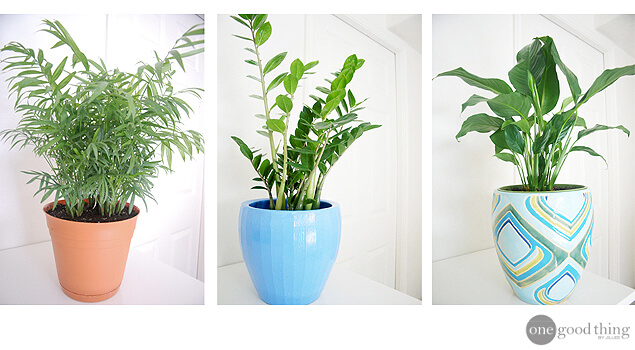
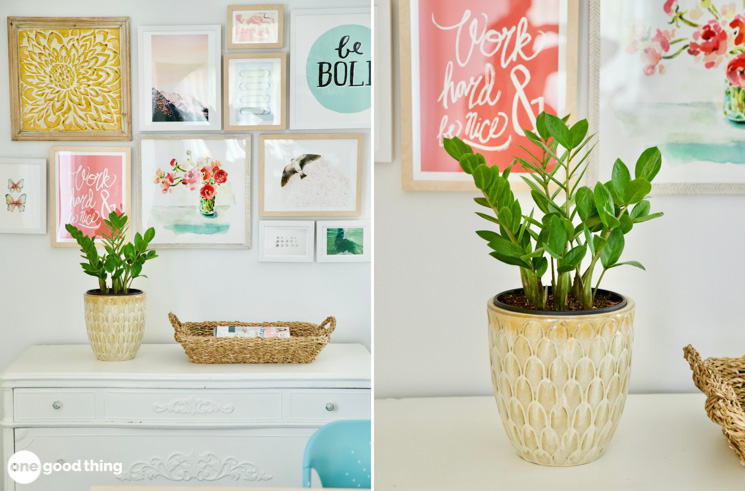
Oh, what a fun question! If you’re just starting out, you want a plant that’s forgiving and helps build your confidence. My absolute favorites for beginners are the Snake Plant, the ZZ Plant, and a good old Pothos.
I call them my ‘survivors’ because they can handle lower light, don’t fuss if you forget to water them now and then, and rarely have pest problems. They’re a wonderful way to get your green thumb going!
Don’t overthink it when you’re starting out. Choose a plant known for being tough, and just enjoy the process of learning what it likes.
Do I Really Need to Fertilize My Houseplants?
Yes, but it’s much simpler than it sounds! Think of it like giving your plants a little vitamin boost now and then. The soil they live in has a limited food supply, so eventually, they appreciate a little snack.
During spring and summer, when they are actively growing, I like to give them a little treat. I use a general all-purpose liquid fertilizer, diluted to half the strength the bottle recommends, about once a month. Speaking of plant food, you might be surprised by the many creative uses for coffee grounds in your garden and home, too.
In the fall and winter, your plants are mostly resting, so you can take a break from fertilizing until spring rolls around again.
Should I Mist My Plants?
Misting is one of those things that feels really nice to do, but the effect doesn’t last very long. While it gives a quick little humidity boost, the water evaporates in just a few minutes.
For plants that really crave humidity, like delicate ferns or Calatheas, a pebble tray or grouping them near a small humidifier is a much more effective and longer-lasting solution. I mostly save misting for a different job: cleaning dust off the leaves so they can soak up all that lovely sunlight.
What’s your best houseplant tip? Please share it with us in the comments!


Hi Jillee! I moved into a new addition to my sons’ home over the summer. Last week I found mouse droppings in my pantry. I’ve caught 4 so far, but they have continued into my kitchen and now I’m washing stuff in my drawers because of “evidence” and washing the drawers, too. Do you have any pointers on what to use to discourage them from even coming into my area? I’ve just added peppermint essential oil drops to each clean drawer/cupboard as I heard that might discourage mice. I have many houseplants, too, and I want to keep them out of harm’s way, too. Thanks for any help!
Please log in or create a free account to comment.Sara, this is not a fun issue to deal with! I found this and it seems to make the most sense. “I just came to the conclusion that the mice are not getting in my house through osmosis, or magic potion’s… They were getting in because they had a way in. I started to really scrutinize potential entry points where they could get in., I quickly found many!! You need to really get down on the ground like a mouse and thoroughly go around the entire perimeter of your home and seal up anything larger than a 1/4”. There are various ways to do this depending on the size of the opening.. For small pencil sized openings use caulking. For larger openings either fix the issue causing the opening or consider a few layers of hvac tape(aluminum foil tape), rodent resistant expanding foam etc.. If it’s a foundational issue such as fieldstone or skirting in a mobile home- use 1/4” hardware cloth with an appropriate fastener (staples, tech screws, rivets), I’ve even just been able to cut and bend that stuff just right to wedge it into an opening and it stays just fine.
Just as important as the sealing methods is that your awareness of all the entry point possibilities.. In m work- electrical conduits is probably the number one culprit. Anyplace a pipe, wire, or vent penetrates your foundation- you need to seal it. Door frames is another area where seemingly invisible voids are present. The closer you inspect and check every nook and crannie, the more successful you will be at solving this issue.. Don’t listen to people that tell you it’s impossible to keep them out. It’s 100% possible to keep them out- it just depends on your commitment level. They can be kept out, and need to be!
Hope this helps!
Please log in or create a free account to comment.