


Let’s be honest—very few people enjoy doing the dishes. Whether you’re dishwashing by hand, loading (and reloading) the dishwasher, or scrubbing a scorched pan that somehow defied your best efforts, dish duty can feel like a never-ending chore.
But here’s the good news: it doesn’t have to be that bad. Over the years, I’ve picked up all sorts of clever, practical tips that make the whole process quicker, easier, and way less frustrating. From preventing messes before they happen to tackling stuck-on gunk without soaking overnight, these 13 tips will help you breeze through dish cleanup—no matter what’s waiting in the sink.
Prevent Problems Before They Start
The easiest dish to clean is the one that never got dirty in the first place—or at least not as dirty! These tips will help you prevent damage, minimize mess, and set yourself up for success before it’s time to wash.
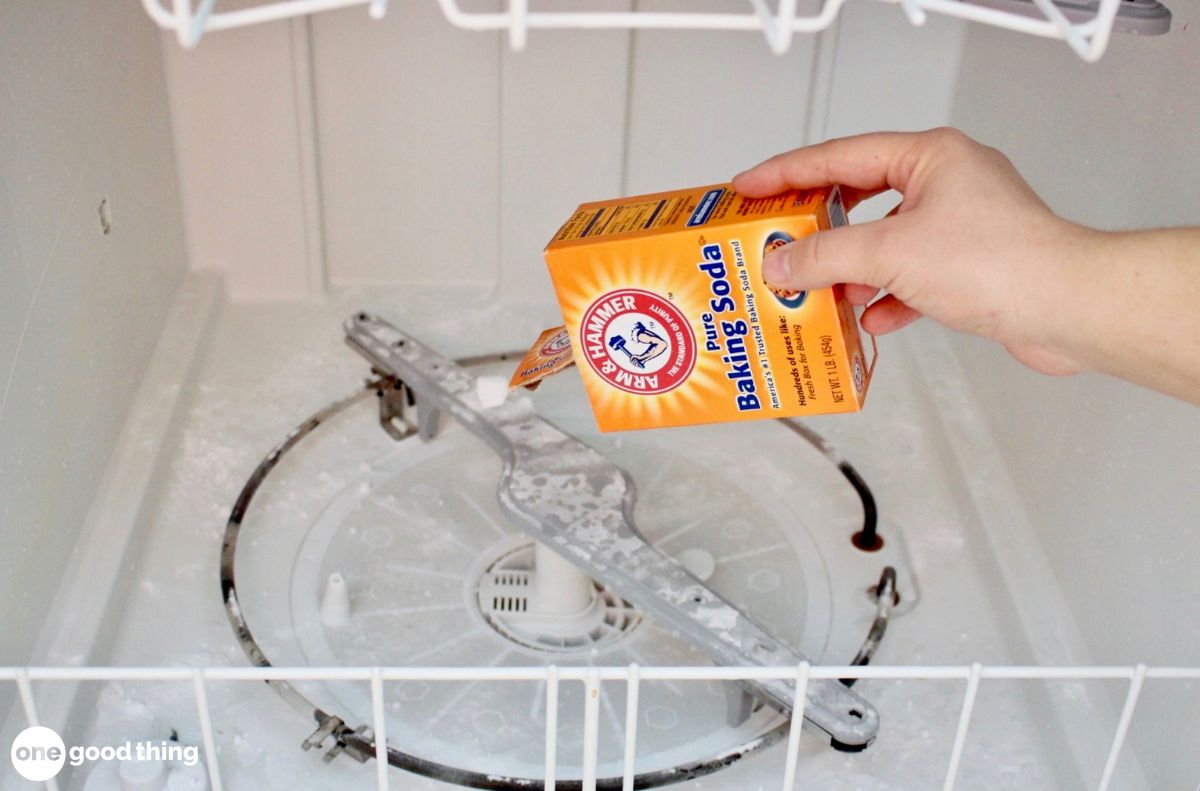
1. Keep Your Dishwasher Clean (So It Can Keep Your Dishes Clean)
If your dishwasher has started smelling funky, isn’t draining properly, or just isn’t getting your dishes as clean as it used to, it might be time to give it a good deep clean—and luckily, it’s a lot easier than it sounds.
Start by removing the bottom rack and checking the drain for any bits of food, plastic, or other stuff that don’t belong. Then, place a bowl with 1 cup of white vinegar on the top rack and run a hot wash cycle. Once that’s done, sprinkle 1 cup of baking soda into the bottom of the dishwasher and run another hot cycle. This simple two-step method helps dissolve grime, break up mineral deposits, and eliminate odors.
If your dishwasher still isn’t smelling fresh or sparkling clean afterward, check the spray arms—they can get clogged with food residue or limescale over time. Use a toothpick or paper clip to clear out any gunk from the holes. And if your model has a removable filter, give that a wash in warm, soapy water while you’re at it.
Keeping your dishwasher clean not only helps it last longer, but it also ensures your dishes come out truly clean—and not with a side of mystery smell.
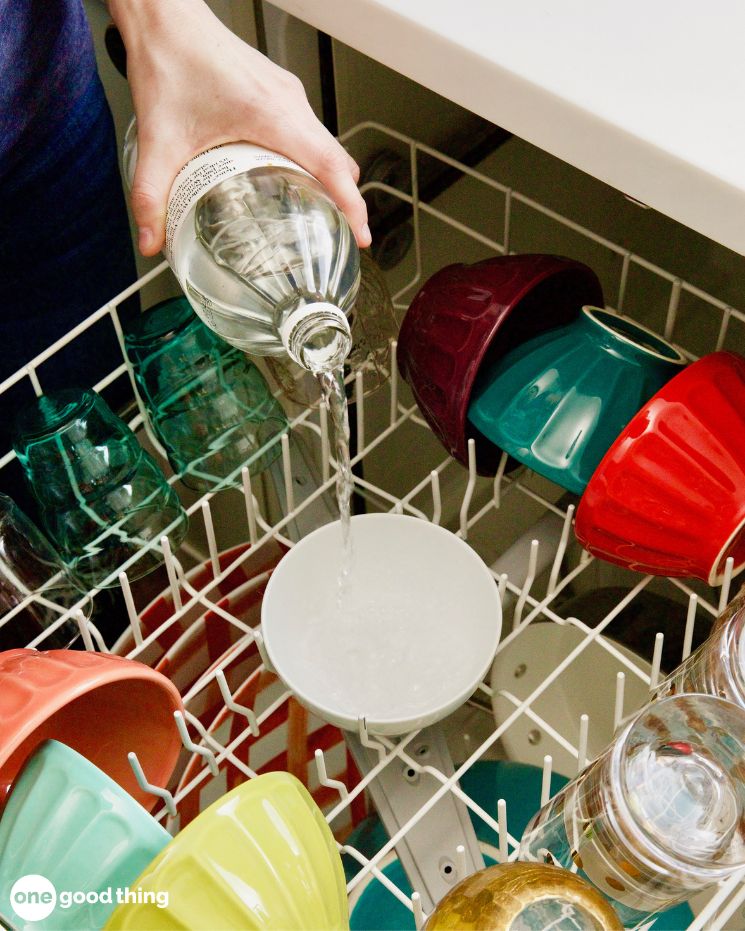
2. Prevent Hard Water Spots With Vinegar
If your dishes come out of the dishwasher looking cloudy or streaky, hard water is likely the culprit. I discovered a brilliantly simple fix years ago, and it’s still my go-to solution today: white vinegar.
Just fill a small dish or ramekin with vinegar and place it in the top rack of your dishwasher before starting a cycle. That tiny bit of vinegar works like magic to dissolve mineral deposits and prevent spots—and it leaves your glassware sparkling clean.
If your water isn’t extremely hard, you can even pour vinegar into your dishwasher’s rinse aid compartment. It’ll release a little bit of vinegar during each cycle to help keep buildup at bay.
Now, I will say this: some people have raised concerns about vinegar degrading rubber seals in dishwashers over time. While I’ve never had an issue myself (and replacement seals are inexpensive), it’s something to keep in mind if you want to play it extra safe.
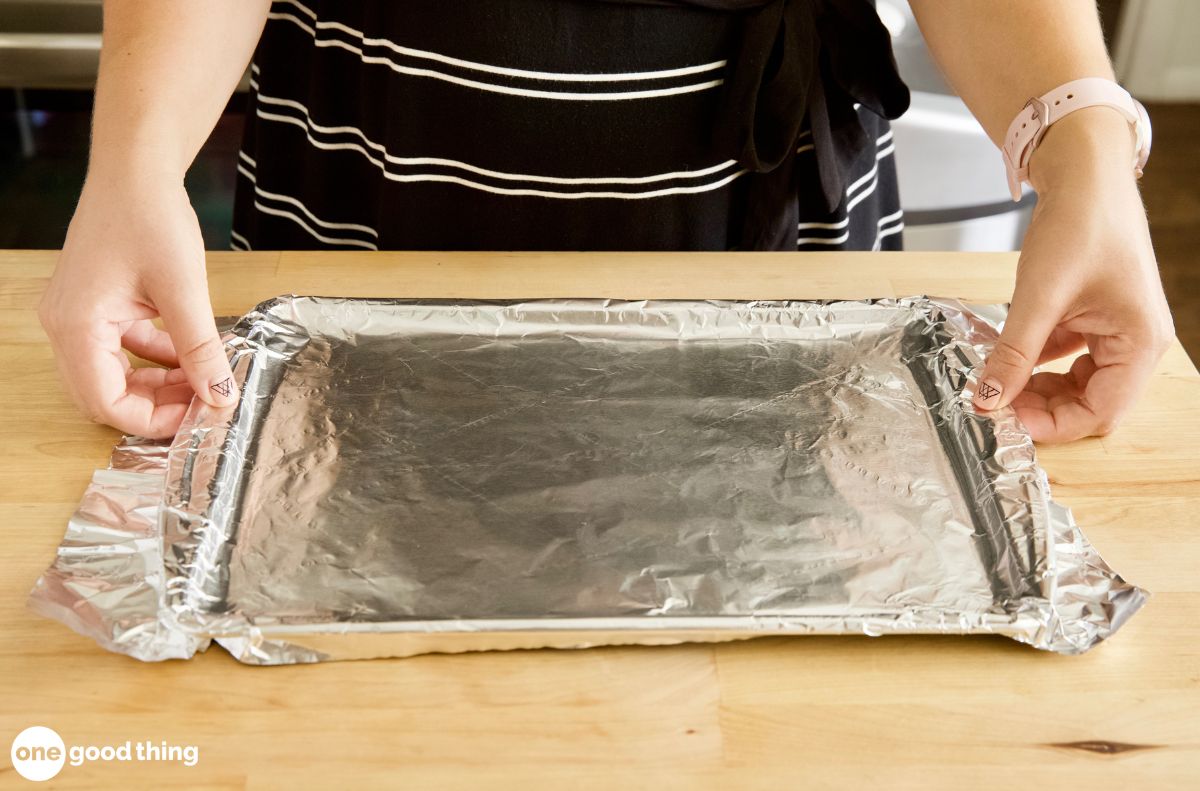
3. Use Foil or Parchment Paper for Quick, No-Fuss Cleanup
If you dread scrubbing pans after dinner, you’re not alone—and you don’t have to! One of the easiest ways to make cleanup a breeze is to line your pans before you start cooking.
Aluminum foil is great for savory dishes and roasted veggies, especially when you want something that can stand up to high heat and seal in moisture. Just line your baking sheet or casserole dish, cook as usual, then lift the mess away when you’re done. A quick rinse and your pan is ready to go for next time!
For baking, I’m a huge fan of parchment paper. It’s perfect for 9×13 pans when you’re making brownies, bars, or casseroles that tend to stick. Not only does it prevent a baked-on mess, but it also makes it super easy to lift everything out in one go—no chiseling required!
Pre-Treat and Prep Dirty Dishes
Before you reach for a sponge, a few quick steps can make dish duty way less daunting. These tricks help loosen grime, cut through grease, and make the actual washing go much more smoothly.
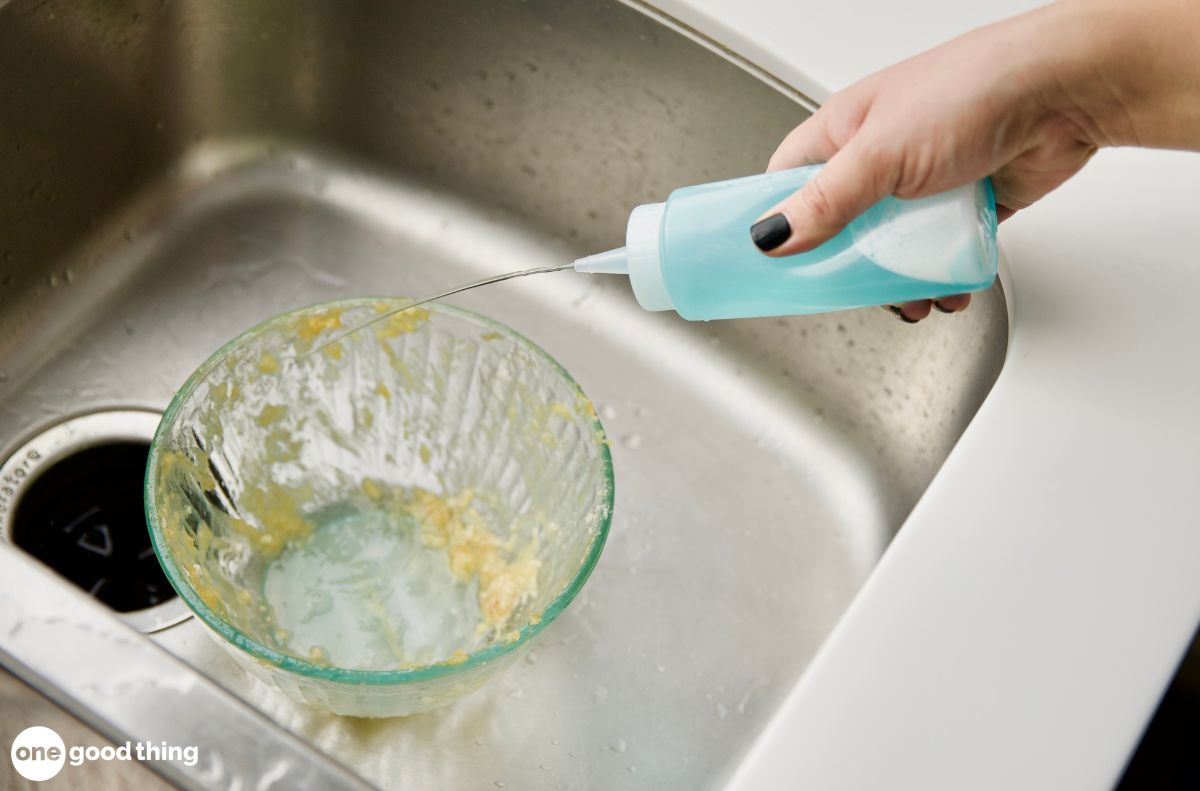
4. Pre-Treat Grimy Dishes So You Don’t Dread Them Later
If you can’t wash your dishes right away (no judgment—we’ve all been there!), give yourself a head start by pre-treating the messiest ones. A quick spray of soapy water can help cut through grease and grime so it doesn’t dry out and become ten times harder to scrub later.
One of my favorite ways to do this is with a squeeze bottle of warm, soapy water. Before you start cooking, fill the bottle and keep it by the sink. As you finish with a dish or bowl, just squirt a bit inside and set it aside. It only takes a second, but it makes a huge difference when you’re ready to wash up later.
This little trick won’t slow you down while you’re cooking, but it’ll absolutely save you time (and frustration) after dinner.
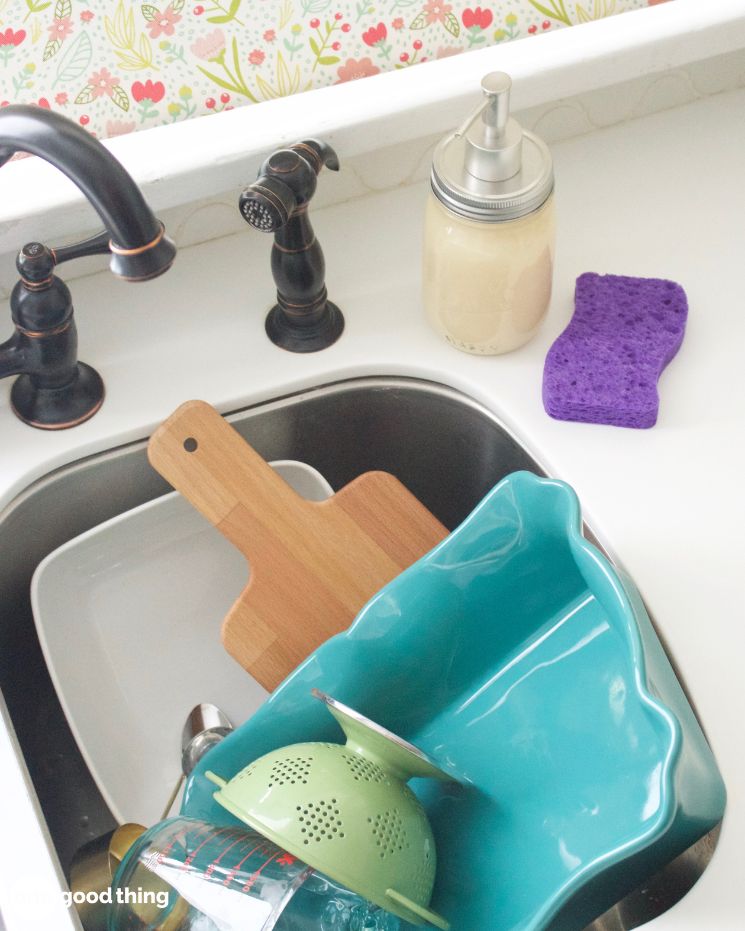
5. Know When (and When Not) to Soak
Soaking dirty dishes might seem like an easy way to make scrubbing easier, but it’s not always the safest option. A sink full of warm water is actually a perfect breeding ground for bacteria, especially since kitchen sinks and drains are already some of the germiest places in the house.
That doesn’t mean you have to skip soaking altogether, though! Just make a few simple adjustments. Try soaking your dishes in a clean dishpan or tub instead of directly in the sink, and add a squirt of antibacterial dish soap to the water. When you’re ready to wash, dump out the soaking water, refill the dishpan with fresh soapy water, and use a clean sponge or dishcloth to finish the job.
Certain dishes should never be soaked, like delicate china, wooden utensils, cast iron cookware, and anything with a thick layer of grease or fat—those are better off handled right away or with a targeted cleaning method.
How to Wash Dishes the Smart Way (By Hand or Machine)
Whether you’re doing dishes by hand or using a dishwasher, these tips will help you work smarter, not harder, and end up with sparkling clean results either way.
When You’re Washing By Hand
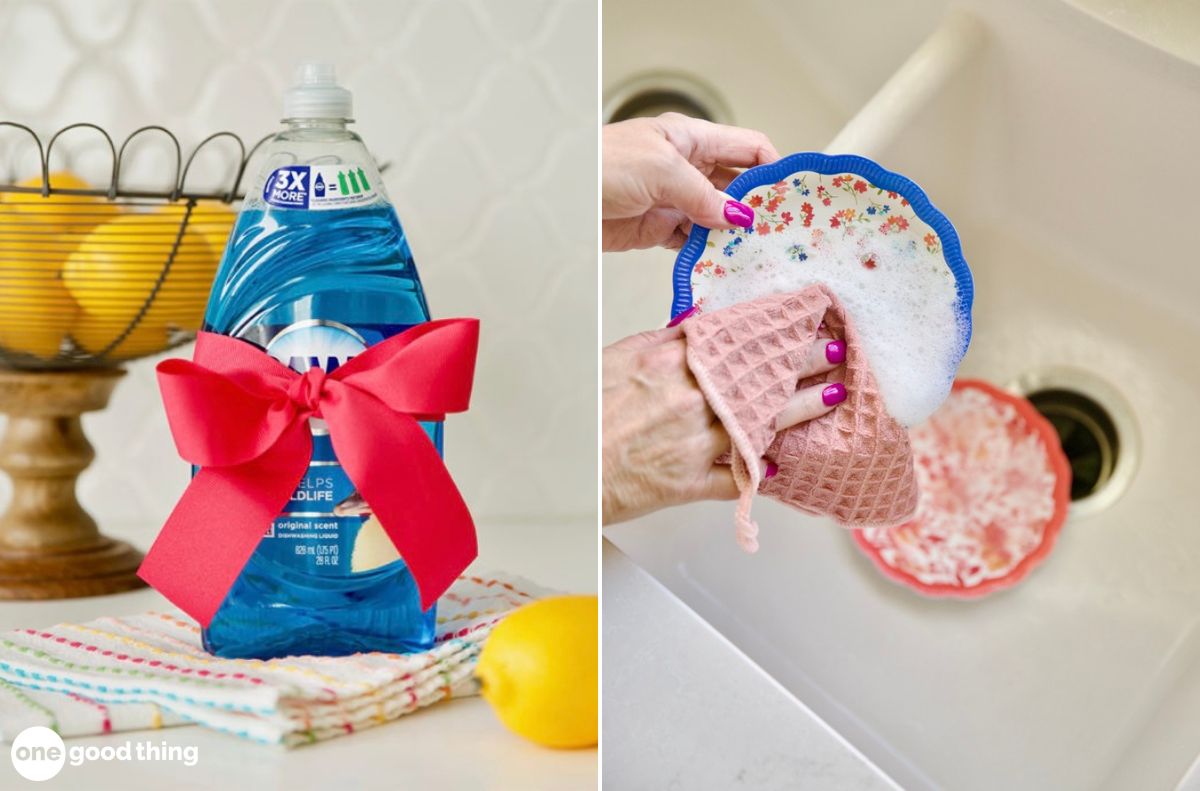
6. Start With the Right Soap (and a Better Dishcloth)
Let’s get one thing out of the way: this post isn’t sponsored by Dawn… but I wish it were. I’ve sung the praises of the iconic blue dish soap for years, and for good reason—it works better than anything else I’ve tried, and I’ve tried a lot. It cuts through grease like magic but still manages to be gentle on my hands.
(And if you’re not in the U.S., Fairy Liquid is a great substitute that works just as well in most cases!)
And instead of reaching for a sponge that gets gross by day two, try one of my Microfiber Dishcloths. The waffle weave design lifts away food and grime with ease, the soft texture won’t scratch even your nicest glassware, and best of all, they dry quickly and stay fresh, so you’re not stuck with a smelly cloth halfway through the week.
As one customer put it: “These little guys definitely do the job—much better than a regular sponge. Plus, if you wring out the dishcloth and let it air dry, there is no smell, like a sponge.” – Teri P.
If your dishcloth drawer could use an upgrade, you can check them out here.
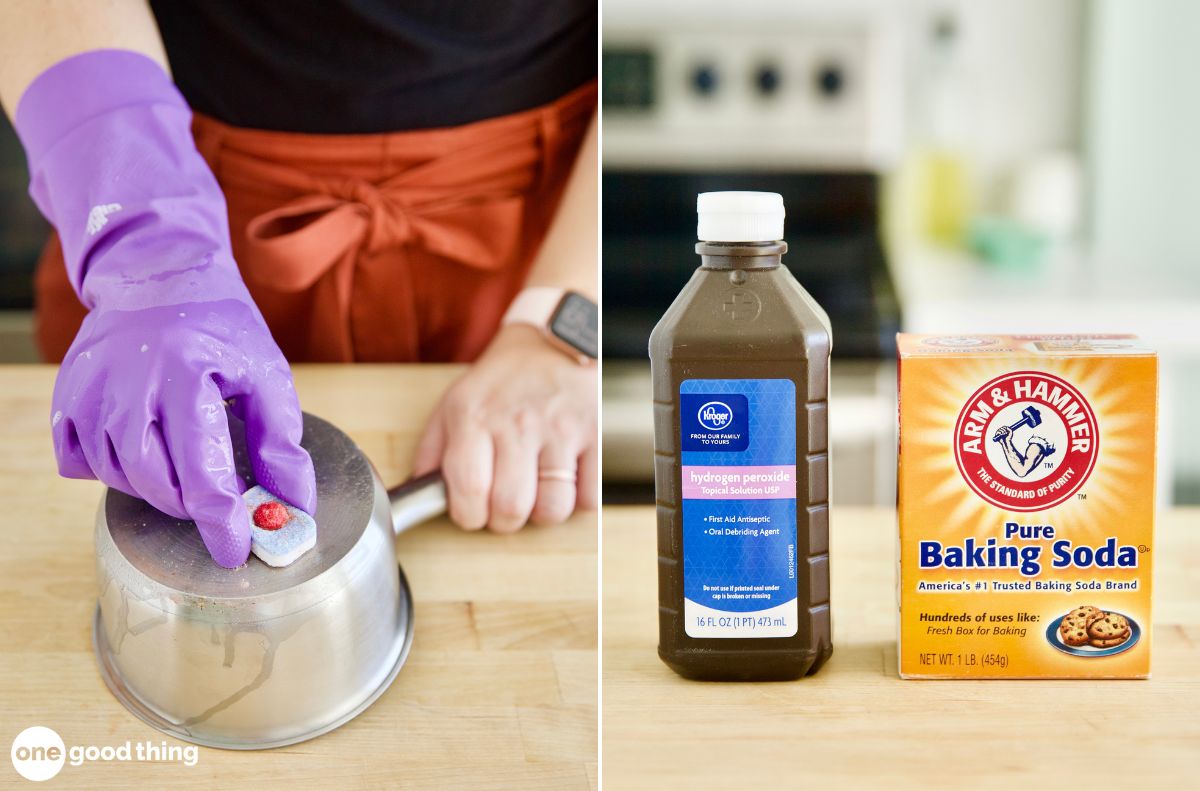
7. Call In Reinforcements for Tough Jobs
Sometimes even Dawn needs a little backup! Here are three of my favorite grime-fighting ingredients:
Bar Keepers Friend: This scouring powder has been around forever, and for good reason. It makes quick work of burned-on stains, utensil marks, and gunk on stainless steel, Pyrex, enameled cookware, and more. Just sprinkle a little onto a damp sponge, scrub in circles, and rinse thoroughly.
Dishwasher Detergent Tabs: Yep—these aren’t just for dishwashers! Drop one into a hot, dirty pan and use it like a scrubber. The powdery texture loosens baked-on food fast while the detergent cuts through grease.
Baking Soda + Hydrogen Peroxide Paste: This duo is a game-changer for stubborn messes. Mix into a thick paste, spread over the mess, and let it sit for 15–20 minutes before scrubbing. The gunk practically lifts itself off the surface—no overnight soak required.
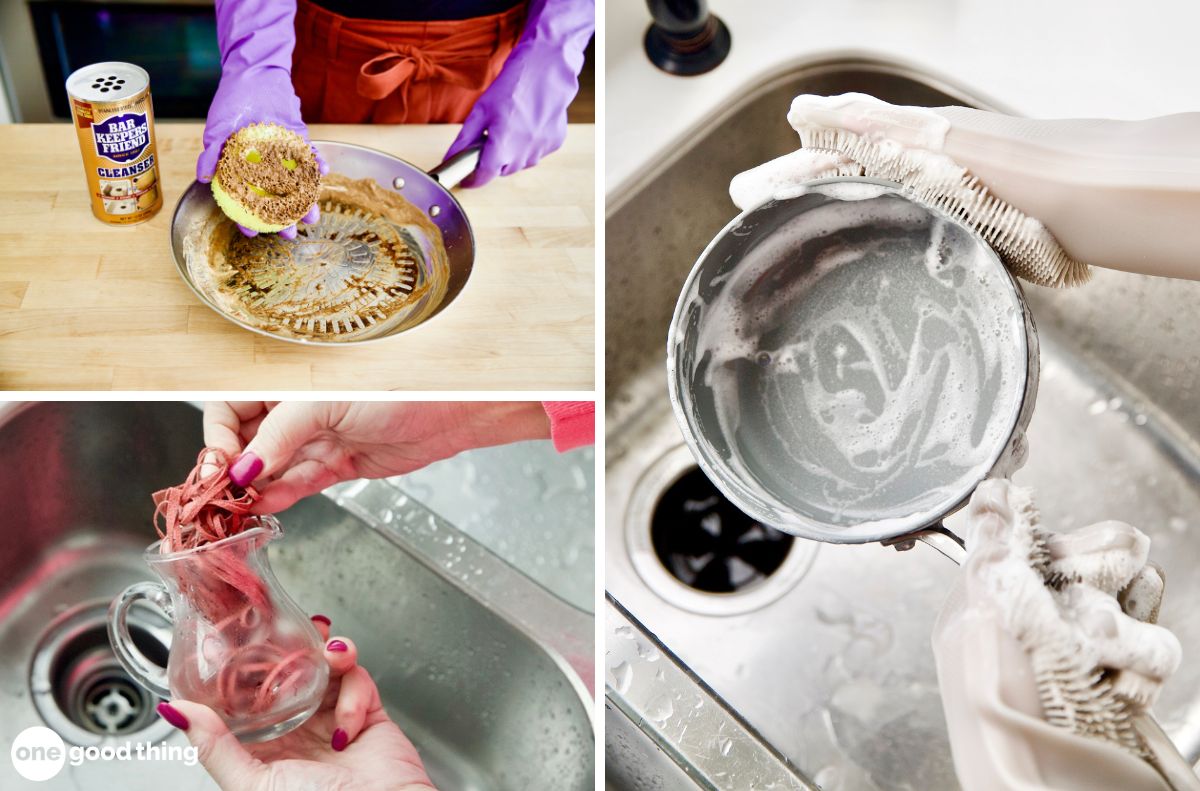
8. The Best Scrubbers for Every Kind of Mess
A good scrubber can save your hands and your sanity. Here are a few I swear by:
Scrub Daddy Sponges: These colorfully cheery sponges aren’t just cute—they’re genius. They’re firm in cold water for tough jobs, soft in warm water for gentler cleaning, and flexible enough to clean inside cups and around utensils. I use them for everything from dishes to sink cleanup.
Spaghetti Scrubs: Made from peach pits and cotton, these eco-friendly scrubbers are naturally abrasive but safe for delicate cookware. They dry quickly (so they don’t get stinky) and last for months. Bonus: they’re compostable when you’re done!
Silicone Scrubbing Gloves: These gloves are perfect when you want to protect your hands and get the job done faster. The built-in scrubbing bristles tackle food messes without needing a separate sponge, and when you’re finished, you can just toss them in the dishwasher.
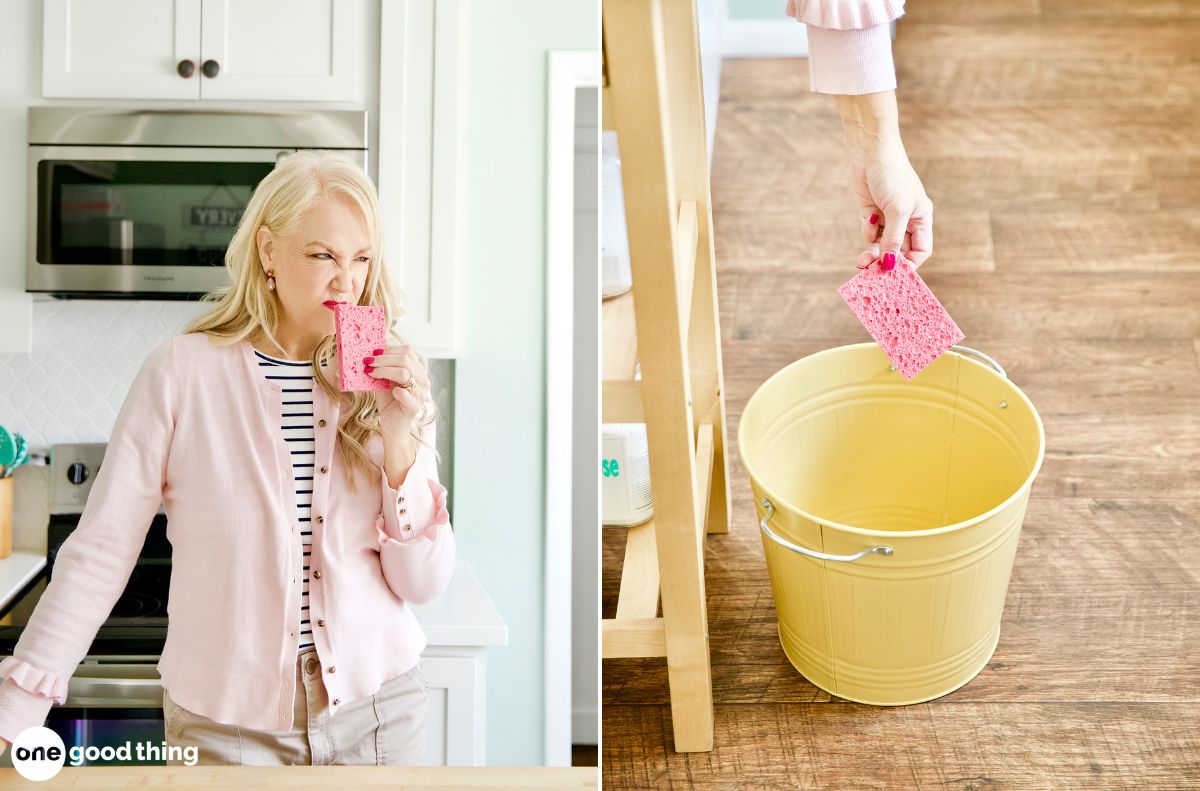
9. Keep Your Tools Clean
Which do you think is dirtier: your toilet seat or your kitchen sponge? As much as I hate to say it, the sponge usually wins—and by a landslide. According to the Wall Street Journal, a used kitchen sponge can be up to 200,000 times dirtier than a toilet seat, harboring millions of bacteria per square inch.
Once I learned that, I started paying a lot more attention to how I care for my dishwashing tools. Here are the three simple rules I follow now to keep things cleaner and more sanitary:
First, trust your nose. If your sponge or brush smells even a little sour, bacteria have likely already taken hold, and it’s best to toss it. (Dish cloths are a little more forgiving—you can sanitize those with hot water and bleach and reuse them.)
Second, avoid cross-contamination. Don’t use the same sponge to wash dishes and wipe countertops, especially if you’ve been handling raw meat. Use separate sponges or cloths for different jobs, and keep some paper towels handy for the messiest spills.
And finally, follow my easy 1-1-4 rule: dry your sponge at least once a week, sanitize it once a week (a run through the dishwasher or a quick zap in the microwave will do the trick), and replace it every 4 weeks—no exceptions!
When You’re Using the Dishwasher
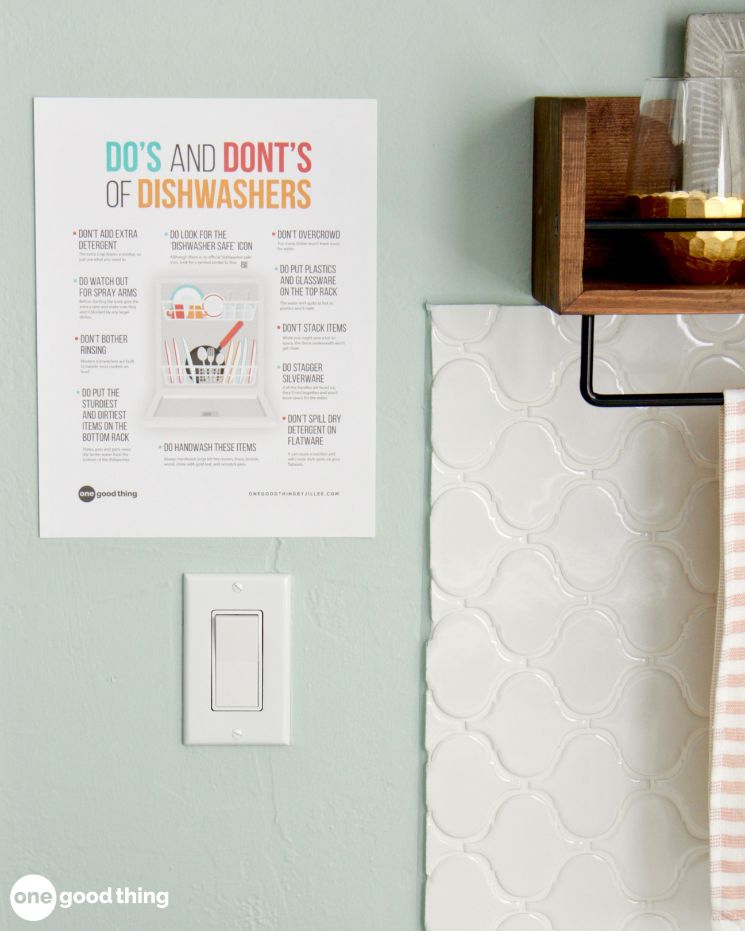
10. How to Load Your Dishwasher for Cleaner Dishes
Your dishwasher does a lot of heavy lifting, but how you load it makes a big difference in how clean your dishes get. A few quick adjustments can help it run more efficiently and avoid the dreaded “still dirty” dishes:
- Skip the pre-rinse. Modern dishwashers are designed to handle food residue, and detergent actually needs something to stick to in order to work properly. Just scrape off big chunks and let the dishwasher do the rest.
- Keep spray arms clear. Tall items or big pans can block the spray arms from spinning. If they can’t move, the whole load may come out dirty.
- Use the right rack. The bottom rack gets the most direct heat and water, so load it up with your dirtiest and sturdiest items. Use the top rack for lighter or more delicate items like glasses and plastics.
- Don’t stack or nest. Overlapping bowls or stacking plates might save space, but they block water from reaching all surfaces. Load everything with a little breathing room.
- Stagger your silverware. Alternate some with the handle up and some with the handle down. It keeps pieces from nesting together and ensures a better clean.
For more tips on getting the most out of your dishwasher, and download a free printable guide, check out my post on dishwasher dos and don’ts.
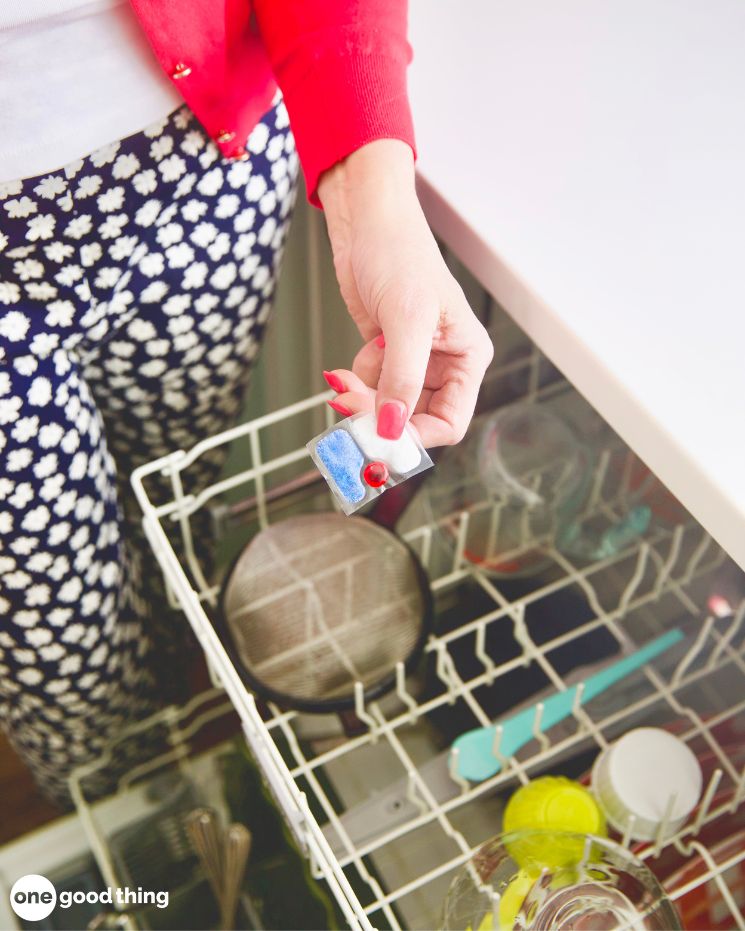
11. Where to Put Your Detergent (So It Actually Works)
Not sure where to put those detergent pods? You’re not alone! It’s an easy mistake to make, but putting detergent in the wrong spot can lead to poorly cleaned dishes or a soapy mess.
- Always put pods in the detergent dispenser. It’s usually located inside the dishwasher door. This compartment is designed to release the pod at the right time in the cycle, so it works when it’s most effective.
- Don’t toss pods into the bottom of the machine. They’ll dissolve too early, long before the cycle gets going, which means your dishes may not get clean at all.
- For powder or gel, use the same detergent dispenser. Only use the pre-wash compartment (if your machine has one) when your dishes are extra dirty and you’re doing a heavy-duty cycle.
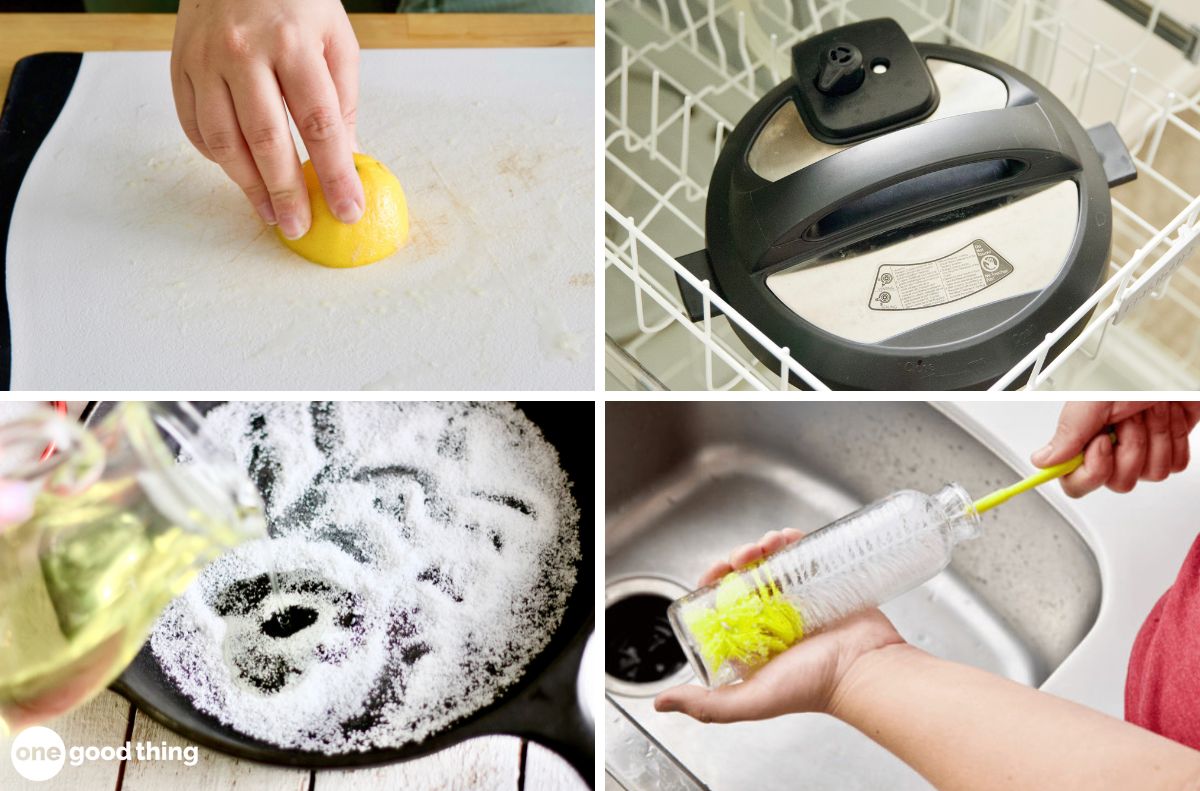
12. Clean Tricky Items With These Quick Tricks
Because some things just don’t clean up like everything else.
- Blender Cups: Fill with warm water and a drop of dish soap, then blend for a few seconds. The spinning action scrubs under the blades so you don’t have to!
- White Plastic Cutting Boards: Rub with lemon juice and set in the sun for a few hours to naturally bleach away stains. Read the full tutorial on getting stains off cutting boards here.
- Slow Cooker Base: Wipe away baked-on spills using this easy crock pot base cleaning method.
- Instant Pot: Learn the quick and deep-cleaning Instant Pot routines that will keep your Instant Pot looking and working like new.
- Cast Iron Skillet: Clean and season your cast iron skillet properly to keep it nonstick and rust-free.
- Enameled Cookware: Bring your Dutch oven or enameled pots back to life with this easy method for removing stains from enameled pots.
- Pyrex Dishes: Banish baked-on gunk on Pyrex with this foolproof method.
- Nonstick Pans: Learn the right way to clean non-stick without damaging the finish.
- Glass Bottles: Try this bartender trick for spotless bottles and carafes.
Finish Strong
Don’t let all your hard work go to waste at the very last step. This simple upgrade to your drying routine will help you finish strong, with streak-free dishes, dry hands, and maybe even a little joy.
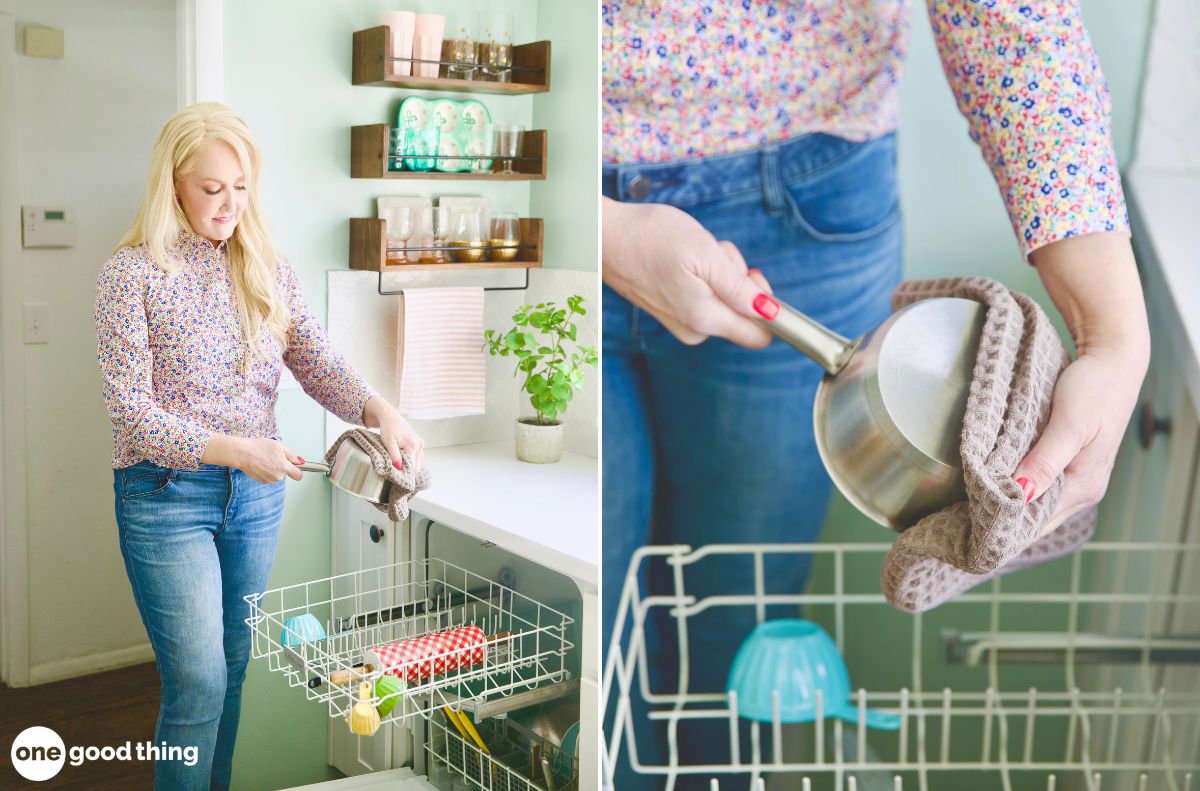
13. Dry With a Microfiber Cloth (It’ll Change Everything)
Whether you wash your dishes by hand or rely on your dishwasher, you’ll almost always need to dry something, especially if your dishwasher’s dry cycle leaves half the load still dripping (which, let’s be honest, it usually does).
That’s why I always keep one of my Microfiber Kitchen Towels nearby. These towels are seriously next-level. They’re ultra-absorbent (I’ve dried a full load of dishes with just one), they never leave lint behind, and they dry out fast, so they don’t get that musty towel smell. And thanks to the waffle weave, they actually pick up water instead of just pushing it around.
Even the chore of drying dishes feels less… well, chore-like. One happy customer told me:
“New obsession! Like so many others, I haven’t been happy with my kitchen towels for… well, ever! They sop up a minuscule amount of water and then just push the rest of the water around. Your kitchen towels are an absolute pleasure to use! They work so much better than anything I’ve ever tried—even my husband and children don’t complain about drying dishes anymore. It’s actually—dare I say it—fun!” – Chrissie S.
If drying dishes has always felt like a slog, you might be surprised by what a difference the right towel or dishcloth can make. Whether you’re tackling a counter full of pots or just drying a stack of plates after dinner, using something that actually works—and feels good to use—can totally change the experience.
Do you wash dishes by hand or in a dishwasher?


Another reason to not simply toss pods into the bottom of a dishwasher that has a plastic tank is that there is the possibility of the pod literally melting and fusing its remains to the bottom of the tank when the heat element comes on to heat the water. I came across a few like that back in my dishwasher repairing days. Personally, I just stick to Cascade dishwasher gel with Dawn. Far less expensive than pods, does a great job of cleaning, and you can control the amount of soap you use.
Please log in or create a free account to comment.One hack that’s actually great for cleaning up is actually a baking tip. Parchment paper is great. You don’t have to grease the pan. If I’m lucky there won’t be anything to clean up. If there is , it’s usually just a small area vs the whole pan.
Please log in or create a free account to comment.My dishwashing hack is my husband…
Please log in or create a free account to comment.Oh Jillee, that’s not washing dishes, that’s loading the dishwasher. I am (obviously) envious of folks that own a dishwasher, and you kinda got my hopes up! You know, maybe you would tell me it’s fine to take off the gloves and have a cookie every 5th dish, or some game like that. It was a well-written and thoughtful column! Don’t get me wrong!!
Please log in or create a free account to comment.I still can remember the call I got at work when my ex-husband was home sick.
Please log in or create a free account to comment.“How do you stop the suds from coming out of the dishwasher?” When I got home with the baby I discovered after bathing the baby that there were no towels. He had used the towels to mop up all the suds that had overflowed onto the floor. Then,, after feeding the baby and putting him down i proceeded to find out what had gone wrong. He had put dishwashing detergent in the jet dry place. I ended up putting vinegar in the jet dry and running on cold water a couple times to get rid of the suds. Lucy and Desi moment.
I’ve mentioned this before, but it bears repeating. If you discover a suds monster in your dishwasher or washing machine, you can make it go away almost instantly by adding a small amount of liquid fabric softener to the tub. The suds will subside within seconds of restarting the machine.