0 Comments

Oh, that dreaded crackle when you pull clothes out of the dryer! It seems like some days, especially when it’s cold and dry, everything wants to stick together. But what’s really going on? I’ll break down the simple science behind static electricity in our laundry in a way that just makes sense.
It all comes down to a little friction. When different fabrics tumble and rub against each other in the dryer, they start swapping tiny electrical charges. This happens a lot with synthetic fabrics like polyester and nylon, which are notorious for creating static. My favorite cozy sweaters seem to be the biggest culprits in my laundry basket!
The Role of Dry Air
The real troublemaker, though, is dry air. Have you ever noticed static is so much worse in the winter? That’s because there’s very little moisture in the air to help those electrical charges dissipate. The charges build up with nowhere to go, and suddenly your socks are clinging to your sweater for dear life.
This phenomenon, known as the triboelectric effect, really kicks into high gear in dry environments. In fact, indoor humidity levels below 40% significantly increase the chances of static buildup.
This lack of humidity is exactly why adding moisture back into the air is one of the best ways to combat static. If your home feels dry, you might be interested in exploring some simple ways to add moisture to the air, which can help with more than just your laundry!
Understanding this basic science is the first step to finally winning the war on static. Once you know that friction and dry air are the enemies, you can start fighting back with some clever tricks that I can’t wait to share with you.
Preventing Static In Your Laundry Routine
The absolute best way to fight static is to stop it before it even starts, and that whole process begins right in your laundry room. I’ve learned over the years that just a few simple tweaks to my washing and drying habits can make a world of difference, leaving my clothes soft, separate, and blissfully static-free.
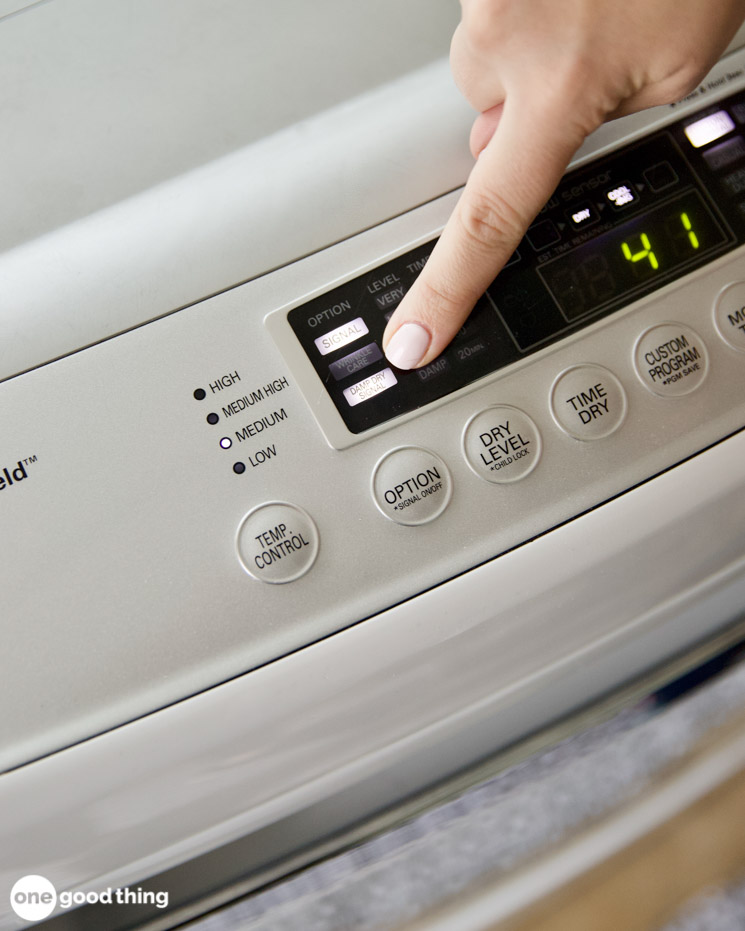
Over-drying is one of the biggest static culprits. When clothes tumble around in a hot, dry dryer for too long, they lose every last bit of moisture, and that’s when static charges really have a party. I always try to set my dryer for a shorter time or use a damp dry or moisture-sensing setting if the machine has one. Catching them while they’re still just the tiniest bit damp is the secret.

Separate Your Fabrics
Here’s another trick that’s incredibly simple but works wonders: separate your laundry by fabric type before you dry it. Synthetic fabrics like polyester and nylon are notorious static generators, while natural fibers like cotton and wool are much less prone to it. When you dry them all together, the synthetics rub against the cottons and create an electrical storm in your dryer.
By drying your synthetics in one load and your natural fibers in another, you dramatically cut down on the friction that leads to that annoying static buildup. It might seem like an extra step, but trust me, it’s worth it!
My Favorite Static-Busting Laundry Methods
Here’s a quick comparison of my favorite methods to prevent static in the laundry, highlighting what works best for different situations and fabric types.
My Favorite Static-Busting Laundry Methods
| Method | How It Works | Best For | Jillee’s Tip |
|---|---|---|---|
| Wool Dryer Balls | They separate clothes, improve airflow, and absorb moisture, which cuts down on drying time and friction. | All fabric types, especially natural fibers. A great eco-friendly choice! | Add a few drops of essential oil to the balls for a lovely, natural scent on your clothes. |
| White Vinegar | Added to the rinse cycle, it acts as a natural fabric softener, reducing the conditions that create static. | Great for towels, sheets, and cotton clothing. It really helps keep things soft. | Don’t worry about the smell! I promise it rinses out completely, leaving no vinegary scent behind. |
| Safety Pins | The metal in the pins safely discharges the static electricity as the clothes tumble around in the dryer. | Especially effective for loads with a lot of synthetic fabrics like fleece or athletic wear. | Just pin a couple of safety pins to a sock or an old washcloth and toss it in. So easy! |
These are my go-to solutions because they’re simple, inexpensive, and they just plain work. You’ll be amazed at the difference they make.
A Few More Helpers I Swear By
Now for my favorite part—the simple additions that work like magic! I’m a huge fan of wool dryer balls. They are a fantastic, natural alternative to dryer sheets. As they bounce around, they help separate clothes, which improves airflow and cuts down on drying time. You can explore all the other wonderful benefits of wool dryer balls in our detailed guide.
This infographic does a great job of breaking down the main causes of static we’re trying to prevent in the laundry room.
More Ideas You'll Love

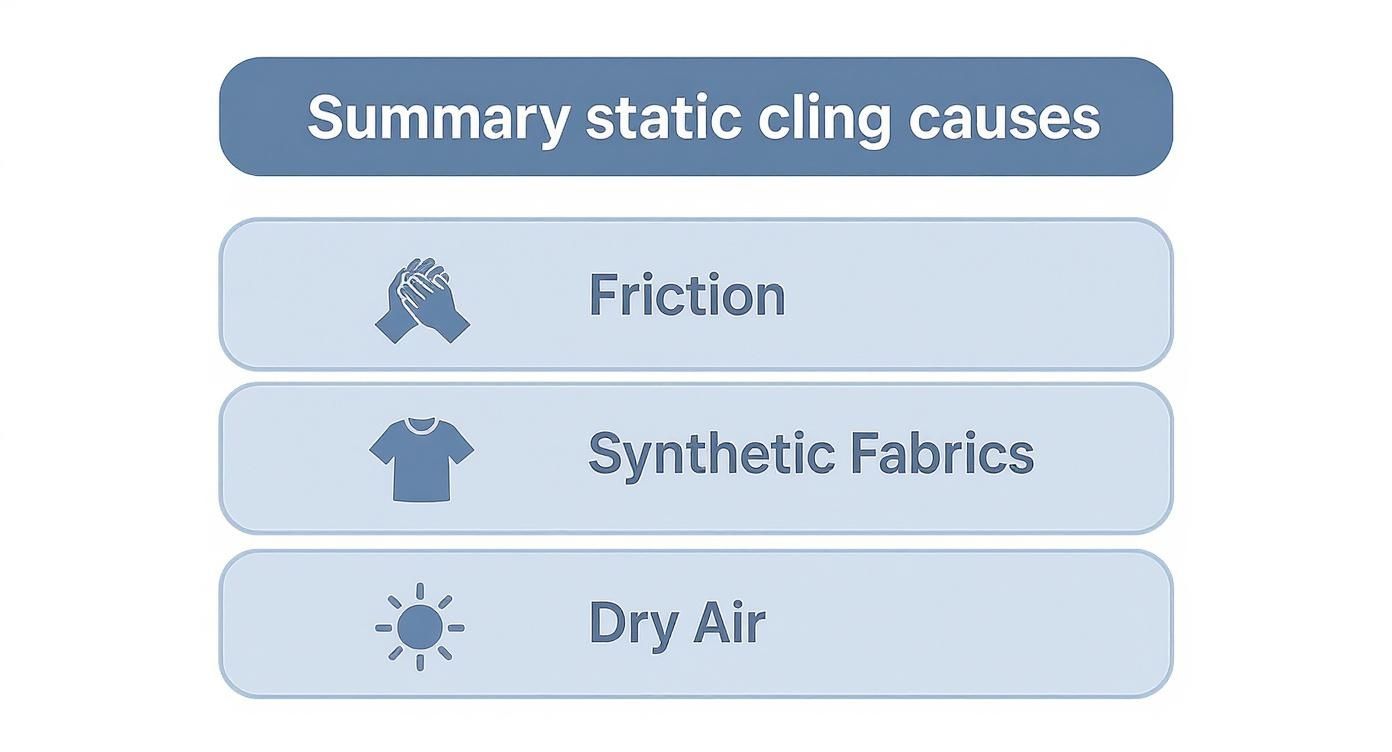
As you can see, friction, synthetic fabrics, and dry air are the key things we need to tackle. Beyond just your drying habits, understanding and fixing common laundry mistakes that lead to static can also make a huge difference.
Here are a couple of other things I use all the time:
- A Splash of Vinegar: Add about a half-cup of white vinegar to your rinse cycle. It’s a fantastic natural fabric softener and helps prevent static from building up in the first place.
- Safety Pin Trick: This one is so clever! Just pin a couple of safety pins to one of your dryer balls, a sock, or a small piece of cloth and toss it into the dryer. The metal helps to discharge the static electricity as the clothes tumble, acting like a tiny lightning rod. It really works!
Quick Fixes for Static Cling on the Go
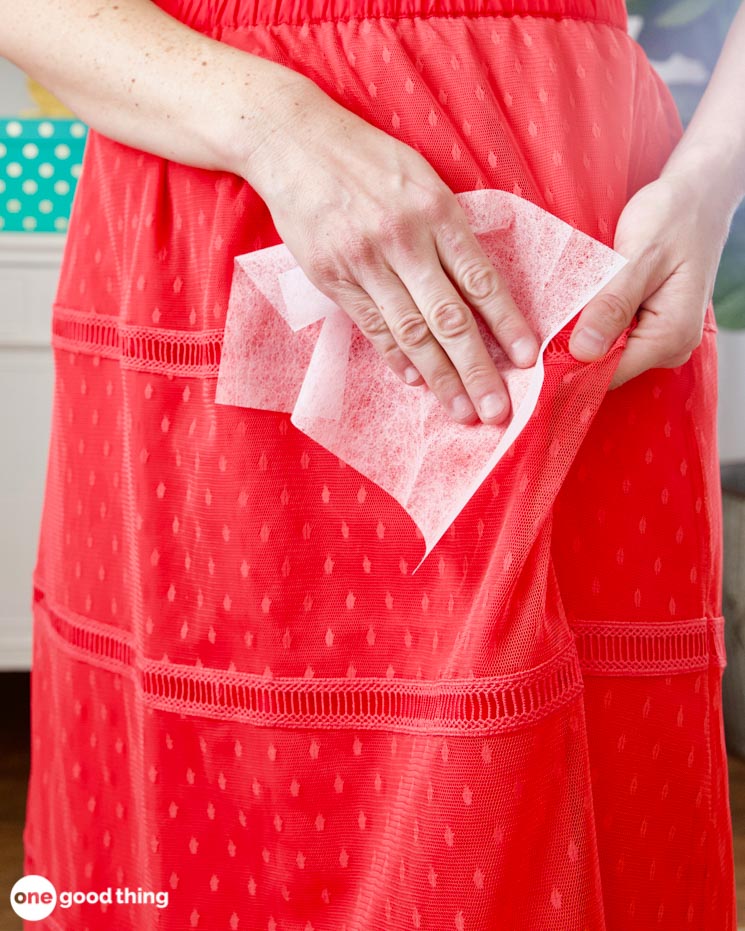
We’ve all been there. You’re dressed, ready to walk out the door, and then you realize your skirt or pants are clinging for dear life. Ugh. It’s one of those little annoyances that can totally throw off your morning. But don’t worry, I have some brilliant, super-fast solutions for these exact moments when a full laundry re-do just isn’t an option.
One of my absolute favorite tricks involves something you definitely have in your closet: a simple wire hanger. Just grab one and run the long, flat edge over the staticky fabric, both on the outside and the inside. The metal instantly discharges the electricity, and you can literally feel the static disappear. It works like magic every single time!

Simple Tricks Using Everyday Items
You’d be surprised at what you already have lying around the house that can get you out of a clingy situation. These are the emergency hacks everyone should have up their sleeve.
- A Spritz of Water: Lightly dampen your hands and just glide them over the fabric’s surface. Moisture is static’s enemy, and it immediately neutralizes the charge. Just be careful not to soak the material—a tiny bit of dampness is all it takes.
- Touch Something Metal: Before you leave, touch a grounded metal object like a faucet, a lamp, or even a metal doorknob. This simple act will discharge any static that’s built up on your body, stopping it from transferring to your clothes in the first place.
- Lotion to the Rescue: This is a great one for clingy dresses or skirts. Apply a bit of moisturizer to your skin, especially your legs. The lotion acts as a barrier, preventing that friction that creates static between your skin and the fabric.
The key takeaway is that introducing a bit of moisture or using a metal object can quickly and effectively break up the electrical charge causing the cling. These methods are perfect for when you’re already dressed and pressed for time.

Items from Your Purse or Cabinet
What about when you’re already out and about and notice the static attack? A quick rummage through your purse or medicine cabinet can often save the day.
A safety pin or even a paperclip attached discreetly to an inside seam can act as a tiny “lightning rod” to discharge static as it builds. A light mist of hairspray, held about a foot away from the fabric, also works wonders in a pinch.
My Favorite DIY Anti-Static Solutions
You know me, I just love a good homemade solution! Why spend money on special anti-static products when you can whip up something just as effective with things you probably already have at home? Let’s get started.
I’ll walk you through a couple of my simplest and most effective DIY recipes to fight static. These are not only easy on your wallet, but they also let you control exactly what ingredients and scents you’re using around your family.
More Ideas You'll Love


Homemade Anti-Static Spray
One of the easiest things to have on hand is a simple anti-static spray. I keep a bottle in my laundry room, but it’s a good idea to have a small one in your purse for those on-the-go static emergencies!
Just mix a little liquid fabric softener with water in a spray bottle. My go-to ratio is about one tablespoon of softener for every cup of water. Shake it up really well, and you’re good to go.
A light mist on a clingy dress or a pair of slacks is all it takes to tame the static almost instantly.
So how does this work? The fabric softener adds a very thin, conductive layer to the fabric. This helps dissipate the electrical charge that’s causing all that annoying static cling. It’s the same idea as store-bought sprays, but so much cheaper!

Reusable DIY Dryer Sheets
Instead of buying box after box of disposable dryer sheets, why not make your own reusable ones? It’s a wonderful way to cut down on waste and you can even customize the scent of your laundry.
First, find some old fabric scraps. An old t-shirt, a worn-out washcloth, or even some flannel will work perfectly. Cut them into small squares.
Next, just dampen them slightly with that same fabric softener and water mixture from the anti-static spray. For a completely natural option, you can use white vinegar instead of fabric softener.
Toss one or two of these damp cloths into the dryer with your wet clothes. They work just like a regular dryer sheet, but you can wash and reuse them again and again! I have a whole tutorial on how to make your own homemade dryer sheets that I think you’ll absolutely love.
Choosing Fabrics to Minimize Static Buildup
Sometimes, the best way to deal with static is to stop it before it even starts, and that process can begin with the clothes you choose to wear. While we can’t always avoid synthetic fabrics (some of my comfiest clothes are blends!), being mindful of materials can make a huge difference in winning the war against static.
Natural fibers are your best friends here. Materials like cotton, linen, silk, and wool are much less prone to building up a static charge because they naturally retain a bit more moisture than their synthetic counterparts.
Another great choice is bamboo, a fabric I absolutely adore for its softness and breathability. If you’re curious, you can learn all about what makes bamboo fabric so special.
Strategic Layering to Beat the Cling
Of course, completely avoiding fabrics like polyester or nylon isn’t always practical. The good news is you can still wear them by being clever with your layering!
A simple trick I love is to wear a thin cotton slip or camisole under a synthetic dress or blouse. This natural fiber layer acts as a barrier, preventing the friction between the synthetic material and your skin that generates so much static.
This same idea applies to pants and skirts—a pair of silk or cotton leggings underneath can work wonders. This strategy works so well! People have even developed special antistatic fabrics and treatments to address static cling, especially for things like workwear where safety is a big deal.
Understanding how materials behave helps you shop smarter and dress more comfortably, keeping that annoying cling at bay.
Your Questions About Static on Clothes Answered
I get so many questions about laundry, and static is always a hot topic! It’s one of those little household frustrations we all deal with, so I wanted to take a moment to answer some of the most common things I hear. Let’s clear up any lingering confusion so you can tackle static cling like a pro.
Can Certain Detergents Help?
While most detergents focus on cleaning, some with built-in fabric softeners can help reduce the conditions that lead to static. However, I find that a splash of white vinegar in the rinse cycle is a more effective and budget-friendly softener.
Is There a Permanent Solution?
For a particularly clingy item, like a polyester dress, the safety pin trick is my favorite “set it and forget it” solution. Just pin a small metal safety pin to an inside seam, and it will continuously discharge static electricity while you wear it.
Are DIY Sprays as Good as Store-Bought?
Honestly, I prefer my homemade version! My simple mix of fabric softener and water works just as well for a fraction of the cost, and I get to control the ingredients and scent.
Why Are My Clothes Still Staticky Even After Using a Dryer Sheet?
It’s a common frustration! This usually happens for one of two reasons.
First, you might be over-drying your clothes. When fabrics are completely devoid of moisture, static builds up like crazy, and even a dryer sheet can’t always overcome it.
The second reason is that an overloaded dryer can prevent the sheet from circulating properly, meaning it doesn’t touch every item. Make sure your clothes have room to tumble freely!
Ultimately, tackling static is about combining prevention in the laundry room with a few quick tricks for when you’re on the go. Small adjustments to your routine make the biggest impact.
For more helpful advice, you can find solutions to many other common laundry problems right here on my site.
How do you fight static cling?