0 Comments
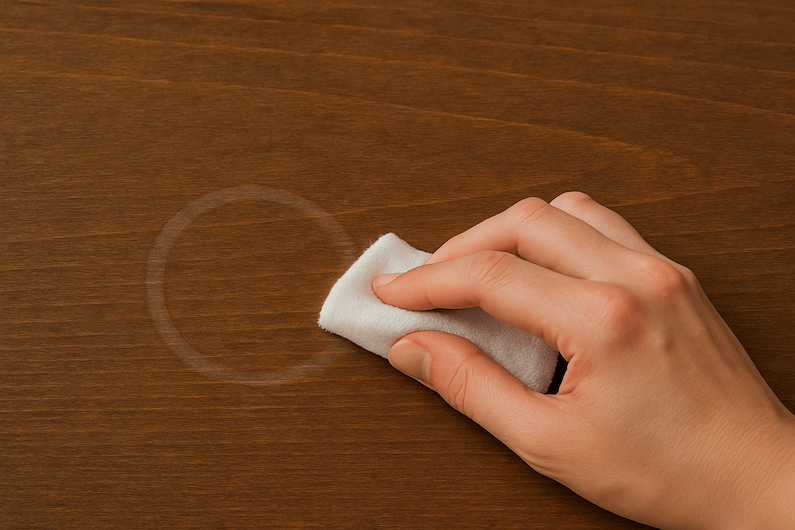
You know that sinking feeling when you spot a white ring on your beautiful wood table? Don’t you worry one bit. The secret to how to remove water rings from wood is knowing whether you have a light, milky-white ring or a dark stain, because that little detail changes everything.
A white ring means moisture is just trapped in the finish, while a dark one means it has soaked into the wood itself.
First Steps When You Find a Water Ring
Oh, that moment of panic! A wet glass was left on the coffee table, and now there’s a cloudy white circle staring back at you. Before you start scrubbing, take a deep breath.
The first thing I always do is play detective, because how you remove water rings from wood depends entirely on what kind of stain you’re dealing with.
Most of the time, you’ll see a light, milky-white ring. This is actually good news! It means the moisture is trapped in the top layer of the finish—like lacquer or varnish—and hasn’t reached the actual wood. These are usually the easiest to fix.
If the ring looks dark brown or almost black, however, the situation is a little different. A dark stain means water has penetrated through the finish and soaked into the wood fibers, discoloring them. This requires a bit more elbow grease, but it’s not a lost cause!

Diagnosing the Damage
Figuring out which type of ring you have is your most important first step. You don’t want to use a heavy-duty method on a simple surface stain, or a gentle trick on a deep-set problem.
Here’s a quick rundown of what to look for:
- White or Cloudy Rings: These sit right on the surface. The moisture is caught in the finish, causing that milky appearance. Think of it like fog trapped under glass.
- Dark Brown or Black Stains: These have gone deeper. The water has bypassed the protective finish and has been absorbed directly by the wood, causing a more permanent-looking mark.
To make it even simpler, I put together this little guide.
Water Ring Quick Diagnosis Guide
Use this handy table to identify your water ring and find the best place to start.
| Ring Color | What It Means | My Go-To First Step |
|---|---|---|
| White, Hazy, or Milky | Moisture is trapped in the top finish layer (lacquer, shellac, varnish). | Mild heat (hair dryer) or a gentle abrasive (mayonnaise, toothpaste). |
| Dark Brown or Black | Water has penetrated the finish and stained the wood fibers themselves. | A more intensive approach, often starting with oxalic acid or sanding. |
This simple diagnosis can save you a world of hurt and help you pick the right tool for the job from the get-go.
As the visual shows, identifying the ring’s color is the fork in the road that guides your entire repair process.
Once you know what you’re up against, you can choose the right solution. For either type of stain, it’s always a good idea to start by giving the area a gentle wipe with a clean, dry cloth to remove any surface moisture.
For this, I always rely on a good microfiber cloth. You can learn more about why I love cleaning with microfiber cloths for tasks just like this one. From there, we can confidently move on to the right remedy.
More Ideas You'll Love

My Favorite Gentle Home Remedies for White Rings
When you see that pesky mark is a white ring, you can breathe a little sigh of relief! This usually means the moisture is just trapped in the top layer of the finish, and your kitchen pantry probably has everything you need for a quick fix.
These are my go-to methods that I’ve used more times than I can count on my own furniture.
Before you jump in, always test your chosen method on a small, hidden spot first—think the underside of the table or the back of a furniture leg. This little step ensures the treatment is safe for your specific wood finish and prevents any unhappy surprises.

The Warm Iron Trick
This is my absolute secret weapon for stubborn white rings. It works by using gentle heat to help that trapped moisture evaporate right out of the finish. It sounds a little scary, I know, but I promise it’s easy if you’re careful!
- What you’ll need: A dry iron (make sure there’s no water in it!) and a clean, dry cotton cloth like an old t-shirt or a thin towel.
- My method: Set your iron to its lowest heat setting with no steam. Place your dry cloth over the entire water ring, making sure the wood is completely covered.
- The action: Gently press the warm iron onto the cloth for just a few seconds at a time. Lift the iron and the cloth to check your progress. You might have to repeat this a few times until you see the ring start to fade away. Patience is key here; don’t leave the iron on the spot for too long!
My biggest tip for this method is to resist the urge to crank up the heat. Too much heat can damage the finish for good, so a low and slow approach is always the safest bet. It’s much better to make several gentle passes than one hot one.
The Mayonnaise Method
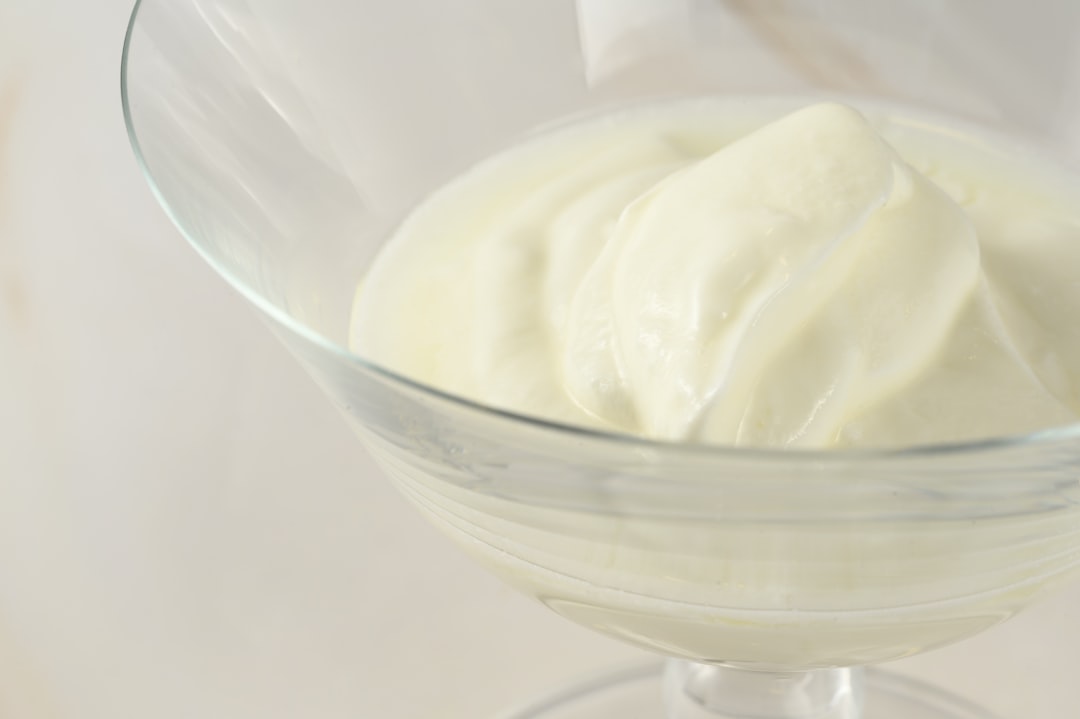
I know this one sounds a little strange, but trust me, it can work wonders! The oil and fats in the mayonnaise are fantastic at penetrating the finish and gently displacing the trapped moisture that’s causing that cloudy ring.
All you need is some full-fat mayonnaise and a soft cloth.
Simply dab a generous amount of mayo directly onto the water ring and spread it into a thick layer. Let it sit for at least a few hours, or even overnight for a really persistent mark. The next morning, just wipe it all away with a clean, dry cloth and buff the area.
The Toothpaste and Baking Soda Paste
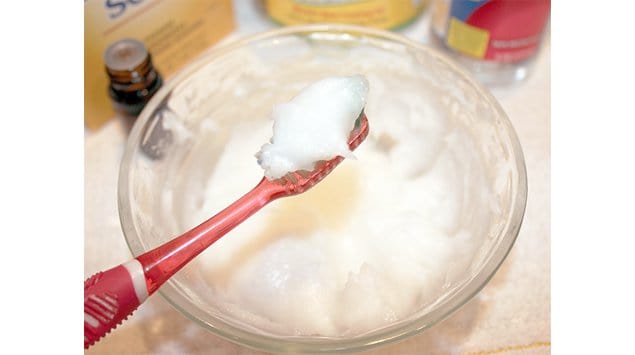
For a super quick fix, a simple paste can work like a charm. The mild abrasives in these ingredients help to gently buff out the cloudy mark from the wood’s finish without causing damage.
- Simple Toothpaste Fix: Make sure you use a white, non-gel toothpaste. Squeeze a small amount onto a soft, damp cloth and gently rub it onto the stain in a circular motion. After a minute or two, wipe the area clean with a fresh damp cloth and dry it thoroughly.
- Baking Soda Paste: Mix one tablespoon of baking soda with about a teaspoon of water to form a thick paste. Apply the paste to the ring with a soft cloth and rub gently, following the direction of the wood grain. Wipe it clean and dry the spot completely.
For a slightly different approach, you can also try mixing equal parts white vinegar and olive oil. The vinegar helps break down the stain while the oil conditions the wood. You can explore more great ideas for cleaning with vinegar for other household tasks, too.
More Ideas You'll Love

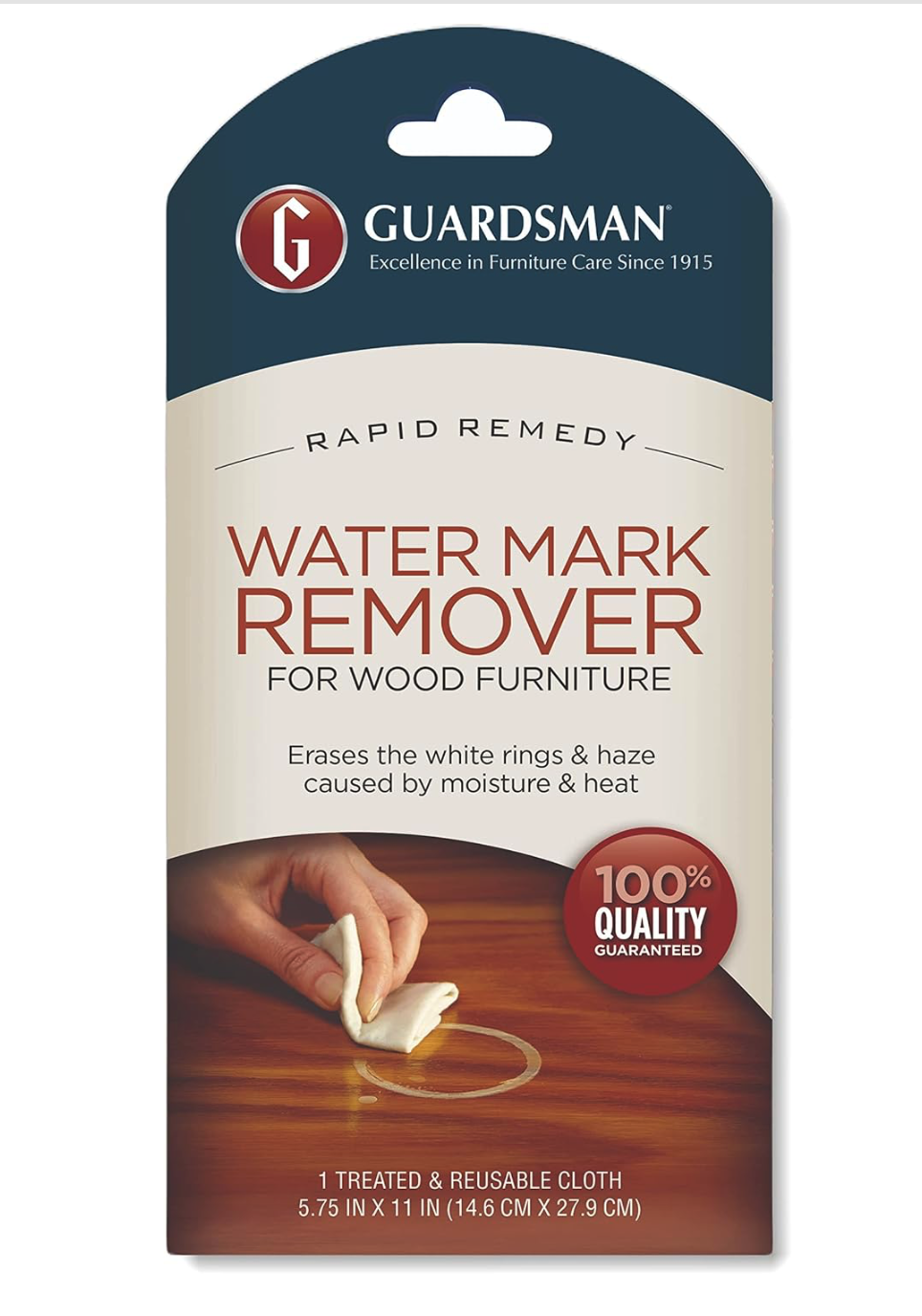
When a Store-Bought Product Is the Answer
I’m a huge fan of a good home remedy, but I’ll be the first to admit they don’t always do the trick. Sometimes, especially with more modern or just plain stubborn finishes, you need something a little stronger. And that’s perfectly okay!
There’s absolutely no shame in reaching for a product made specifically for the job. In fact, sometimes it’s the smartest choice you can make to protect your furniture. A good wood restorer can feel like a magic wand for those pesky white rings.
These products are designed to gently work their way into the finish to release the trapped moisture without stripping or damaging the surface. They’re a world away from your standard furniture polish, which is really just for shine and protection, not repair.
Choosing the Right Product for Your Furniture
When you’re browsing the aisles, keep an eye out for products specifically labeled as “wood restorers,” “ring removers,” or “finish restorers.”
The biggest advantage here is that a store-bought product is formulated for a specific purpose. It takes all the guesswork out of mixing ratios and application techniques, which can give you a lot of peace of mind, especially when you’re working on a piece of furniture you really love.
How to Use Commercial Wood Restorers
Using these products is usually incredibly simple, but my number one rule is to always read the instructions on the label first! Every product is a little different, and you don’t want any surprises.
Generally, though, the process is pretty straightforward:
- Put a small amount of the product onto a clean, soft cloth. A microfiber cloth is perfect for this.
- Gently rub the product over the water ring, always moving in the direction of the wood grain.
- Buff the area with a clean, dry section of the cloth until the product is absorbed and the ring has vanished.
How to Tackle Stubborn Dark Water Stains
Okay, let’s talk about the scarier cousin of the white ring: the dark water stain. When you see a dark brown or black mark, it means moisture has soaked past the finish and into the wood itself. I know it can look like the furniture is ruined, but don’t you dare give up on it!
This just means we need a different plan of attack. With a little patience, we can often lift that stain right out and make the wood look like new again.
Starting with a Gentle Wood Bleach
Before we even think about sanding, I always start with the gentlest effective method. For deep-set dark stains, my go-to is oxalic acid. It sounds a bit intimidating, but it’s often sold as “wood bleach,” and it works wonders.
Unlike chlorine bleach, it specifically targets and removes the stain without bleaching the natural color of the wood. It’s a real game-changer for these kinds of problems!
You’ll need to follow the package directions very carefully, but the basic steps are:
- First, put on your safety gloves and glasses—this is a must!
- Mix the oxalic acid crystals with warm water as directed to create a solution.
- Apply the solution only to the dark stained area using a small brush. Let it dry completely.
- After it works its magic, you’ll need to neutralize the area with a solution of baking soda and water.
This method often lifts the stain completely.

Sanding and Refinishing for a Flawless Fix
If the wood bleach doesn’t quite get you there, it’s time to move on to sanding. This removes the very top layer of stained wood fibers, giving you a fresh surface to work with.
Start with a fine-grit sandpaper, something like #120-grit, and wrap it around a small block to keep the surface even. Gently sand only the stained area, always moving in the direction of the wood grain. Your goal is just to remove the stain, not create a big dip in the wood!
Once the dark mark is gone, wipe away the dust with a clean, soft cloth.
My best advice for this step is to go slowly and check your progress often. It’s always easier to sand a little more than to fix an area you’ve over-sanded. Feather the edges of the sanded spot so it blends smoothly with the surrounding finish.
Now for the fun part: making it match! You’ll need to apply a new stain that matches the rest of your furniture. The good news is that many wood stains you can buy today are water-based. This makes them much more approachable for a DIY repair, with lower fumes and easier cleanup than older oil-based stains.
Apply the stain with a clean cloth, let it sit for the recommended time, and then wipe off the excess. Once it’s dry, finish with a matching top coat like polyurethane or wax to seal your beautiful repair.
Keeping Your Wood Furniture Safe for Good
Oh, what a relief it is to see a water ring vanish! After you’ve done the hard work of restoring your beautiful wood furniture, the last thing you want is to go through that whole process again. Believe me, when it comes to wood, an ounce of prevention is worth a pound of cure!
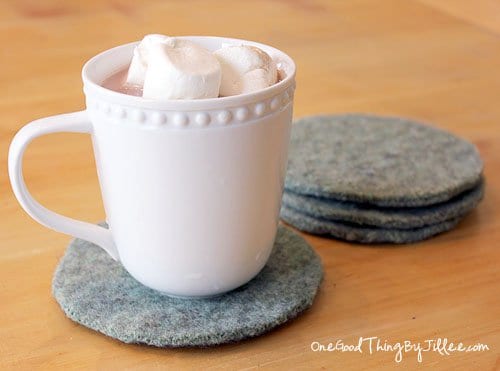
Making a few simple habits part of your daily routine is the very best way to protect your furniture for the long haul. It all starts with the basics, and you’ve heard me say it a thousand times before: coasters and placemats are your best friends!
Placing a barrier between a sweating glass or a warm mug and your wood surface is the number one thing you can do to prevent those dreaded rings from ever forming.
Creating a Protective Routine
Beyond coasters, a little regular care can make a huge difference in keeping your wood’s finish strong and resilient. A strong finish is much better at repelling minor spills before they have a chance to soak in and cause trouble.
Here are a few of my favorite proactive tips:
- Dust Regularly: A soft, dry microfiber cloth can remove abrasive dust particles that can create tiny scratches in the finish over time. Those little scratches weaken its protective power.
- Clean Spills Immediately: This one is so important! When a spill happens, blot it up right away with a dry cloth. The less time moisture sits on the surface, the lower the chance of a stain.
- Use the Right Cleaner: The right cleaning products are a key part of preventing water damage. Many specialty wood cleaners are formulated not just to clean, but also to leave behind a thin protective layer that can help repel moisture from minor spills, giving you a few extra seconds to wipe them up before a ring can form.
Adding an Extra Layer of Defense
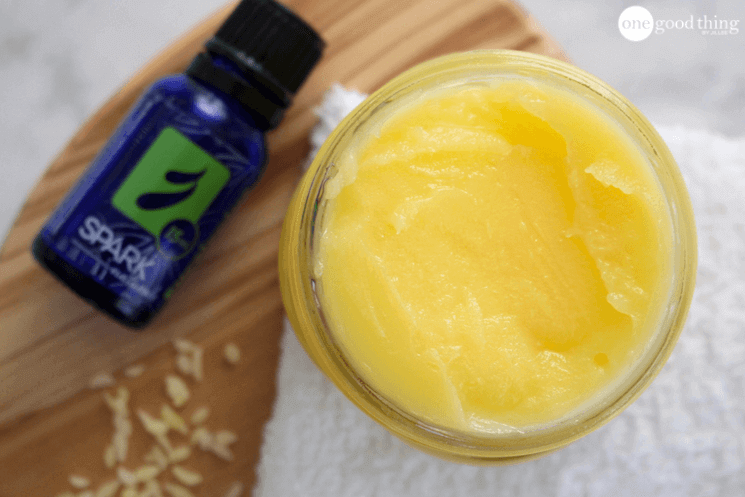
For furniture that sees a lot of use, like a dining table or coffee table, applying a protective finish like a good quality furniture wax or polish every few months can add a robust layer of defense. This creates an extra barrier that takes the hit so your wood doesn’t have to.
My rule of thumb is to think of furniture wax like sunscreen for your wood. It provides an invisible shield that takes the brunt of the wear and tear, keeping the surface underneath safe and looking its best.
This kind of routine care is especially important for surfaces like kitchen counters. You can read all about my best advice for maintaining wooden surfaces in the heart of your home in my guide on how to clean and care for your butcher block.
By making these simple steps a habit, you’ll keep your wood looking gorgeous for years to come—no more scary water rings!
Your Top Questions About Water Rings Answered
I get asked about these pesky marks all the time, so I wanted to tackle a few of the most common questions right here. From worrying about a precious antique table to wondering how long a home remedy should sit, these are the things that pop up again and again.
Hopefully, these little tips will help you face that ring with total confidence!
Can I Use These Methods on My Antique Furniture?
This is such an important question! When you’re dealing with a valuable or antique piece, my best advice is to be extra, extra cautious. Always start with the gentlest method possible—like a soft cloth with a tiny bit of mayonnaise—and be sure to test it on a hidden spot first.
For priceless heirlooms with delicate, aged finishes, the safest bet is often to call in a professional furniture restorer. They have the experience to fix the problem without risking any damage to a piece you love.
What If the Iron Method Makes the Finish Cloudy?
If the finish looks a little cloudy or hazy after you try the warm iron trick, please don’t you worry one bit! This can happen sometimes as the finish cools and settles back down.
The trick is to let the area cool down completely, then buff it gently with a soft, clean cloth. A little bit of good-quality furniture polish can also help restore that beautiful clarity and shine. Just remember, the key is to always use a dry iron on its lowest heat setting and never let it touch the wood directly.
Is It Possible to Accidentally Make a Water Ring Worse?
Oh, yes it is, and I want to help you avoid that! The biggest mistakes I see people make are using way too much heat, scrubbing way too hard, or using the wrong approach for the type of stain (like trying to scrub away a dark ring that has actually soaked into the wood).
Always, always start with the gentlest trick first and test it in a hidden area. This simple step will make sure you’re helping, not hurting, your beautiful furniture.
How Long Should I Leave Mayonnaise on the Wood?
For my favorite oil-based remedies like mayonnaise or petroleum jelly, patience is your secret weapon! I recommend applying a nice, thick layer and letting it sit for at least a few hours.
For a really stubborn white ring, don’t be afraid to leave it on overnight. This gives the oils plenty of time to work their magic and gently push out that trapped moisture. Just check on it every so often and add more if the spot looks like it’s drying out.
Have you successfully removed water rings from wood?