


Wondering How to Get Rid of Spring Allergies? These Tips Can Help
I consider it a major blessing that I’m not one of the many people who have to deal with the misery of spring allergies. Unfortunately, my husband Dave, daughter Britta, and daughter-in-law Kaitlyn do experience spring allergies, bless their hearts.
Every year when pollen season rolls around, remedies that can treat spring allergies and relieve symptoms become a hot topic of conversation between the 3 of them. And since they’re far from the only ones suffering, I thought I could help them and you by doing some research on the topic!
I focused my search on ways to treat spring allergies and strategies to avoid triggers. I ended up finding a lot of useful information, and organized the best tips into a list of “do’s and don’ts” to help you deal with spring allergies.
Do’s and Don’ts for Dealing with Spring Allergies
DO These Things to Minimize and Relieve Allergy Symptoms

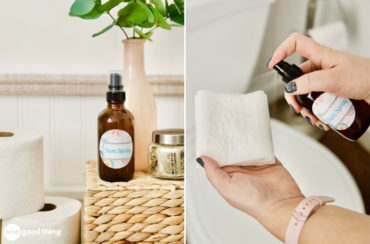
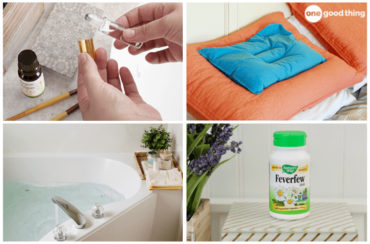
DO try All Clear essential oil blend as an alternative or supplement to over-the-counter allergy medications. The anti-inflammatory essential oils in All Clear can help relieve symptoms like nasal congestion, itchy/watery eyes, and more, making it something like a natural antihistamine!
Related: The Most Useful Home Remedies Have These 9 Things in Common
DO start taking antihistamines early in the season before symptoms start. If you’re taking one that may cause drowsiness, like Benadryl, take it before you go to bed to avoid drowsiness during the day.
DO switch up your allergy medications as needed. Your system can acclimate to an allergy medication after about 4-6 weeks and limit its effectiveness. If that happens, try a different allergy medication for a couple of weeks before switching back to your regular brand.

DO exercise outdoors in the afternoons when pollen levels are lower, or in an indoor gym.
DO download a pollen count or allergy app that can help you make informed decisions about spending time outside during the spring. Search “pollen app” or “allergy app” in your device’s app store to find one you like.
DO consult “pollen forecasts” on sites like WeatherBug. These forecasts will let you know when pollen counts are likely to be high based on factors like temperature, precipitation, wind, and more.

DO take off your shoes and change your clothes when you get home to avoid tracking pollen throughout your house.
DO wear sunglasses outside to help keep pollen out of your eyes.
DO change your the filter in your HVAC system before pollen season arrives. You’ll get the best filtering if you replace the old one with a HEPA filter.

DO take a shower before you go to bed to rinse pollen off your hair and body.
More Ideas You'll Love

DO add yogurt, fermented foods, and other sources of probiotics to your diet.
DO eat foods that contain omega-3 fatty acids, like cold water fatty fish, that can help reduce the inflammation that contributes to allergy symptoms.

DO keep your house clean — vacuum and dust regularly, and wash your bedding frequently.
Related: 10 Simple Things That Will Reduce Dust in Your House
DO incorporate more local honey into your diet. Some suggest that consuming locally produced honey can help your body grow accustomed to the pollen in your area and help reduce spring allergies.
DO consider getting tested for allergies to give you a better understanding of your allergy triggers. Ask your doctor about blood or skin tests.
DO eat onions. They contain quercetin, which has been shown to help with allergy symptoms.
DO take 2,000 mg of vitamin C daily to help prevent the formation of histamines that contribute to excess mucus and runny noses.

DON’T Do These Things That Can Worsen Spring Allergies
DON’T open the windows in your house or car when pollen counts are high.
DON’T stress too much. Stress can elevate your levels of cytokine (a protein our bodies produce as part of the allergic response) and aggravate allergy symptoms.
More Ideas You'll Love

DON’T forget to turn on the bathroom fan while you shower to prevent mold from forming, as mold is a major allergen. If you do spot mold in your bathroom, get rid of it ASAP.
DON’T let your pets sleep in your bed when you’re dealing with spring allergies, as their fur is likely to carry pollen.
DON’T park your car under trees, if you can avoid it.
What other allergy do’s or don’ts would you add to this list?















additional things we do for allergies
DON”T shower in the morning – it washes off the natural oils that protect your body and leaves you more apt to pock up allergies as well as viruses during cold and flu season.
DO try Nopal Cactus for allergy symptoms. It is extremely beneficial for some people
DO pay attention to fragrance from shampoos , deodorants, perfumes, even lipsticks, air fresheners, even dish soap and other cleansers, laundry detergent and dryer sheets, etc. because those can really add to your personal discomfort.
DON’T use a feather duster – those only re-distribute a lot of the particles – use something that collects dust particles.
Please log in or create a free account to comment.Years ago, back in 1990 or so, my Mother encouraged me to try something she’d heard on a TV show … radish juice. And so I did … I purchased a fairly inexpesive juicer and for about 4 months or so, I would drink radish juice along with carrot or apple or or strawberry or green pepper or celery juice or any combination of these, only about 4-5 radishes, throughout the week and to this day I am no longer affected by seasonal allergies. I am still amazed by this! It definitely worked for me!
Please log in or create a free account to comment.So many good ideas here! I had no idea that onions or probiotics could help. The hubby and I are trying local honey now that we’ve moved to a different region with different local flora and it’s working quite well! I lived in northern Ohio for 20 years and got awful, awful allergies up there. Still hits me hard every time I go back to visit family.
Please log in or create a free account to comment.