


Lying awake at 3 AM, listening to your partner snore while you desperately try to fall back asleep, it’s a special kind of torture, isn’t it?
I’ve spent more nights than I can count lying awake next to my sweet husband, Dave, listening to him saw logs while I try not to smack him with a pillow. (He says it’s not fair because he doesn’t choose to snore. I say we’ll just have to agree to disagree.) But here’s the thing – it’s not just about lost sleep. It’s about feeling helpless, frustrated, and wondering if separate bedrooms are your only option.
We’ve tried everything—nasal strips, earplugs, even staggered bedtimes—and at one point, I seriously considered a CPAP machine. Dave even did a sleep study to rule out sleep apnea (which thankfully wasn’t the issue), and that gave us the green light to keep exploring other options.
Eventually, I started experimenting with natural remedies, and to my surprise, a simple blend of essential oils turned out to be one of the most effective things we tried. If snoring is stealing your sleep and your sanity, I hope this post gives you a few easy, natural things to try—because peaceful, restorative sleep is possible, and it doesn’t have to come with a big price tag or a pile of devices.

What’s Causing The Snoring (And Why It’s More Common After 50)
Now that we’ve covered the frustration of snoring, let’s talk about why it happens in the first place, especially for those of us over 50. As we age, our bodies go through changes that can turn occasional snoring into a nightly symphony. That muscle tone we used to take for granted? It starts to decline, especially in our throats, making it easier for tissues to collapse during sleep. Add in the subtle weight changes that often come with aging (particularly around the neck), and suddenly your airways have less room to work with. For women, the hormonal shifts of menopause can make things even trickier by further reducing throat muscle tone.
Then there are the daily habits that can turn a whisper into a roar—that glass of wine before bed, sleeping flat on your back, or fighting seasonal allergies. It’s like adding kindling to an already smoldering fire. And while some causes (like anatomy or a deviated septum) might have been with you forever, age has a way of amplifying these issues.
The good news? Even if you don’t know exactly what’s causing the snoring, there are simple, natural remedies that can help in many of the most common situations—whether it’s congestion, poor sleep posture, or just needing a little more relaxation at bedtime.
When To Talk To A Doctor About Snoring
Snoring isn’t always harmless, especially if it’s loud, frequent, or sounds like gasping or choking. Talk to your doctor if you notice (or your partner notices):
- Pauses in breathing during sleep
- Excessive daytime sleepiness
- Morning headaches or dry mouth
- Mood changes or trouble concentrating
- High blood pressure or frequent nighttime bathroom trips
Bottom line: If snoring is affecting your sleep or health, a simple sleep study can help rule out obstructive sleep apnea (OSA) and give you peace of mind.

Quick Fixes That Can Help Stop Snoring Tonight
Even if you don’t know exactly what’s causing the snoring, there are plenty of simple, low-effort things you can try tonight that may help reduce or even stop it—no expensive equipment or complicated routines required.
Here are some of the most effective quick-start remedies:
Change Your Sleep Position: If you normally sleep on your back, try sleeping on your side and propping up your head slightly with a pillow. When you sleep on your back, your tongue and soft palate tend to rest against the back of your throat, which can block airflow and increase snoring. If you tend to roll over in your sleep, try taping a tennis ball to the back of your shirt or using body pillows to help keep you in place.
Elevate Your Head: Raising the head of your bed or using a wedge pillow can help keep your airways more open and reduce vibration in the throat that leads to snoring.
Use a Nasal Strip or Dilator: Over-the-counter nasal strips or dilators gently open the nostrils and improve airflow through your nose, which can reduce snoring, especially if it’s caused by congestion.
Stay Hydrated: Dry tissues in your nose and throat are more likely to vibrate during sleep. Make sure you’re drinking plenty of water during the day.
Increase Bedroom Humidity: If your bedroom tends to be dry, running a humidifier at night can add just enough moisture to the air to reduce snoring. Dry air can irritate and inflame the nose and throat, making snoring worse.
Fight The Dry: Take a warm shower before bed or use a saline nasal spray to clear and hydrate your nasal passages. Hanging a few sprigs of eucalyptus in the shower is a lovely bonus—it helps open up your airways and smells amazing too.
Avoid Alcohol & Sedatives Before Bed: These substances overly relax your throat muscles, which can make snoring worse, especially in older adults. If snoring is an issue, skip the nightcap and reach for a calming herbal tea instead.
Clear Nasal Congestion: Allergies, sinus pressure, or a stuffy nose can all interfere with breathing and increase snoring. A saline rinse, neti pot, or even simple steam inhalation before bed can help open things up.
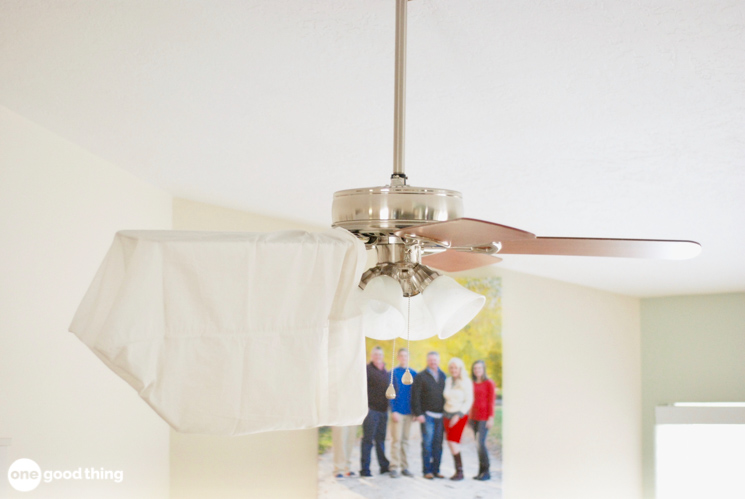
Reduce Bedroom Allergens: Dust mites, pet dander, and pollen can all contribute to congestion and airway irritation. Wash your bedding regularly, change air filters often, and dust surfaces (especially ceiling fans) to help keep allergens in check.
Use Essential Oils: If you’re looking for a natural way to ease snoring, essential oils can be surprisingly effective, especially when it’s caused by congestion, mouth breathing, or restless sleep. I started experimenting with them out of desperation, and I was honestly amazed by how much they helped. And I’m not the only one—I’ve heard from dozens of readers who’ve used my blends to turn noisy nights into peaceful ones.

My Favorite Essential Oils For Snoring Relief
In my shop, I offer two essential oil blends that can help reduce snoring in different ways: All Clear and Slumber. Each one targets a common root cause—whether it’s physical congestion or the kind of tension that keeps your body from fully relaxing.
All Clear is best for congestion, mouth breathing, and allergy-related snoring. It’s made with eucalyptus, peppermint, tea tree, and rosemary to open your airways and relieve sinus pressure. Citrus oils like lemon and lime help cut through mucus, while marjoram adds a calming effect that can ease tension in the throat.
Slumber is best for stress-related snoring and restless nights. This calming blend features lavender, vetiver, cedarwood, and bergamot to help your body unwind and stay relaxed through the night. Like All Clear, it also includes marjoram to relax the muscles around the airway, and lime for a refreshing, breath-supporting finish.

How To Use Essential Oils For Snoring Relief
The easiest way to use essential oils for snoring is to diffuse them while you sleep. Just add 5–8 drops of All Clear or Slumber to a diffuser in your bedroom and let it run through the night. This set-it-and-forget-it method is one of the simplest and most effective ways to promote clearer breathing and deeper sleep.
No diffuser? No problem. Here are a few other easy ways to use essential oils at bedtime:
Breathe It In: Rub 2–3 drops between your palms, cup your hands over your nose, and inhale deeply. Or just open the bottle and take a few slow breaths. It’s fast, simple, and surprisingly effective.
Use the Slumber Roll-On: Our ready-to-apply roll-on makes it easy to wind down. Just roll it onto your wrists and neck before bed to calm your body and mind—no mixing or prep required.
Try a Gel Jar: Looking for a low-maintenance option? Make a gel jar and place it on your nightstand to gently scent the air all night. Many couples keep one on each side of the bed to help both partners sleep more soundly.
Make a Simple Rub: Mix a drop or two with a carrier oil (like coconut oil) and rub it into your chest, neck, or feet before bed. You can also keep a pre-mixed jar at your bedside for easy use.
Tuck a Cotton Ball in Your Pillowcase: Add a few drops of oil to a cotton ball or tissue and place it inside your pillowcase. It’s a no-fuss way to breathe in the benefits of essential oils all night, especially handy if you don’t want to deal with a diffuser.

Real Results With Essential Oils
Over the years, I’ve heard from so many of you who’ve tried these essential oil remedies out of sheer desperation, because the snoring was just that bad. And nothing makes me happier than hearing how something as simple as a diffuser or a DIY gel jar has made a real difference in your homes and marriages.
Take Lisa, for example, who described her husband’s snoring as “sawing wood so loud you could hear him from the next room.” She made my gel jar using Slumber. That night? Her husband sounded “like a purring kitten,” and she slept like a bear in hibernation—so soundly, in fact, she didn’t even wake up to go to the bathroom. “This is a life (and marriage) saving remedy,” she wrote.
Brenda had a similar experience using just a cotton ball and a few drops of Slumber. She tucked it into her pillowcase and found herself not only drifting off faster but also snoring less—something even her husband noticed. “So yay!” she said, calling it a small, simple trick that made a real difference.
Others, like Vicki, were skeptical at first. She’d been told she snores and was desperate to help her husband stop, too. She made a gel jar for each of them—just to try. “Imagine my delight,” she wrote, “when neither of us snored that night.” Now she says they’re both sleeping better, most nights snore-free.
And it’s not just about Slumber. Kathleen shared that using All Clear in her diffuser gave her “the best sleep ever”—and her husband didn’t even let out a snort.
For many, these small changes have helped them avoid moving into a separate bedroom. Kelly called Slumber her “last-ditch effort before going to another room” and was thrilled when things improved enough to stay put. Sharon and her husband both started using the Slumber roll-on and noticed less snoring and better sleep. “So far… bliss,” she said.
And then there’s Sally. She made the gel jar for her snoring husband—and for the first time in ages, they both slept through the night and woke up refreshed. “Best sleep ever,” she wrote.
These aren’t just testimonials—they’re stories of transformation. Of couples who went from sleeping in separate rooms to peaceful nights together. Of partners who stopped dreading bedtime and started looking forward to it again. Of people just like you who found a simple, natural solution when nothing else seemed to work.
You deserve to wake up feeling refreshed, not resentful. You deserve to share a bed with your partner without sacrificing your sleep. And most importantly, you deserve a solution that actually works, without breaking the bank or turning your bedroom into a medical supply store.
Everything in the By Jillee Shop is backed by our 90-day money-back guarantee. If you don’t love your oils for any reason, just email us within 90 days and we’ll refund your purchase. No stress, no hassle.
Ready to take back your nights? Start with one of the simple solutions above. Your well-rested future self will thank you.
A Note For Couples Sleeping Apart
If snoring has already pushed you or your partner into a separate room at night, let me say this loud and clear: you are not doing anything wrong. In fact, more and more couples are making that choice—and for many, it’s made their relationship stronger, not weaker.
They even have a name for it now: “sleep divorce.” But don’t let the term scare you off—according to AARP, this arrangement is often less about distance and more about getting the quality rest both people need to feel healthy, connected, and present during the day.
Studies show that many couples who sleep apart actually sleep better, feel more rested, and experience fewer arguments. Some even say they feel closer, simply because they’re not constantly exhausted or annoyed by nighttime disturbances. As National Geographic points out, couples with different sleep schedules, snoring issues, or insomnia often find separate bedrooms help them avoid resentment and reconnect more meaningfully when they’re awake.
So if you’ve made the decision to sleep separately, you’re in good company—and you’re doing what’s best for your relationship right now. And if you’re hoping to get back to sleeping in the same room again someday, these natural remedies can be a gentle, encouraging first step.
“Sleep isn’t a measure of love—it’s a foundation for it.”– Sleep expert Dan Ford, via National Geographic

Longer-Term Remedies That Can Reduce Snoring Over Time
While quick fixes can make a difference, some of the most effective snoring solutions come from lifestyle changes that take a little time and consistency. These longer-term remedies won’t work overnight, but they’re well worth the effort if you’re looking for lasting results.
Lose Excess Weight: Extra tissue around the neck and throat can narrow the airway, making it harder to breathe during sleep. Even a small amount of weight loss—just 10% of your body weight—can ease that constriction and significantly reduce snoring. According to the American Academy of Otolaryngology, snoring is most common in men and people who are overweight, and it tends to worsen with age. Maintaining a healthy lifestyle with balanced eating and regular exercise is one of the most effective long-term ways to manage snoring.
Strengthen Your Throat Muscles: Doing targeted mouth and throat exercises—also known as oropharyngeal exercises—can help tone the muscles around your airway, reducing the likelihood of them collapsing during sleep. Practicing these exercises regularly has been shown to significantly reduce both snoring and the severity of obstructive sleep apnea. One clinical study published in the American Journal of Respiratory and Critical Care Medicine found that patients who performed daily oropharyngeal exercises reduced their snoring frequency and intensity.
Want to try them? The Sleep Foundation has a helpful guide with simple, science-backed exercises you can do at home.
Treat Allergies: Chronic allergies can leave you congested and inflamed, night after night. Long-term solutions like using dust-mite covers, HEPA air filters, or daily non-drowsy antihistamines can reduce nasal swelling and ease snoring over time.
Quit Smoking: Smoking irritates and inflames the tissues in your nose and throat, which can make snoring worse. Quitting won’t just help your breathing—it can also lead to better, more restful sleep.
Improve Sleep Hygiene: Going to bed and waking up at consistent times (and making sure you get enough sleep) can prevent over-tiredness, which can cause your throat muscles to relax too much and worsen snoring.
Whether you’re the snorer or the one losing sleep next to one, I hope these tips give you a few new things to try tonight—and maybe even the full night’s sleep you’ve been missing. And if you give one of my remedies a try, I’d love to hear how it worked for you!
Is your partner’s snoring (or yours!) keeping you up at night?





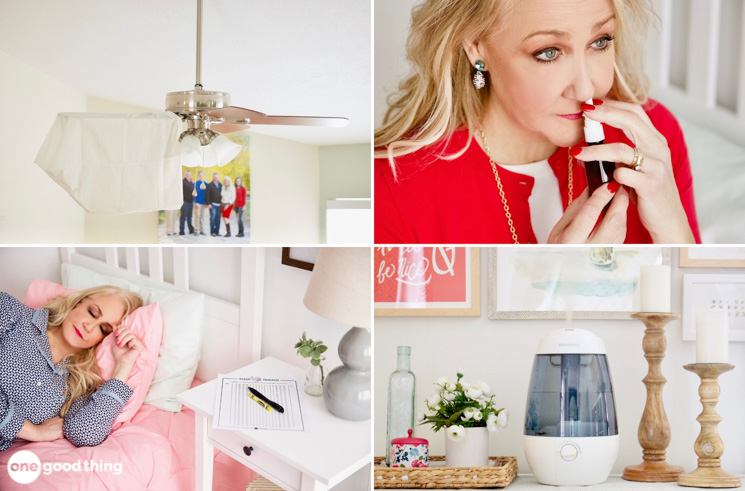 I sleep with a snorer, which often leaves me feeling frustrated and sleep-deprives. If you sleep with a snorer too, I’m sure you feel my pain! But as frustrating as it can be for me, I know it’s equally frustrating for my husband Dave (the snorer) because it frequently causes him headaches.
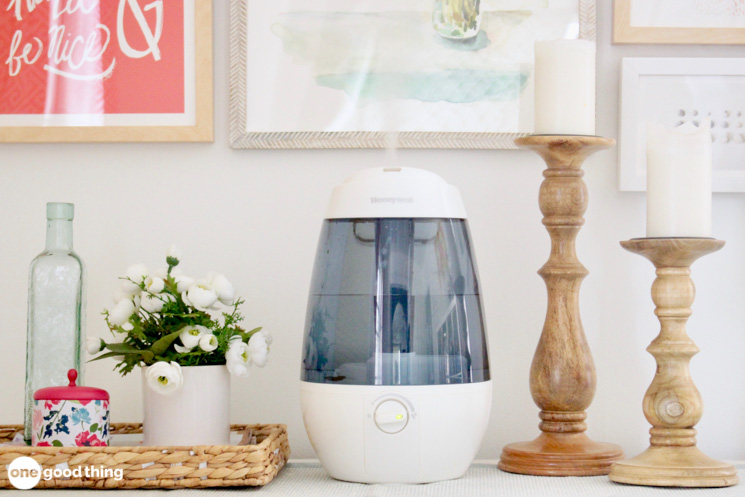 Increase Bedroom Humidity
 Drink Plenty Of Water
 Sleep Position
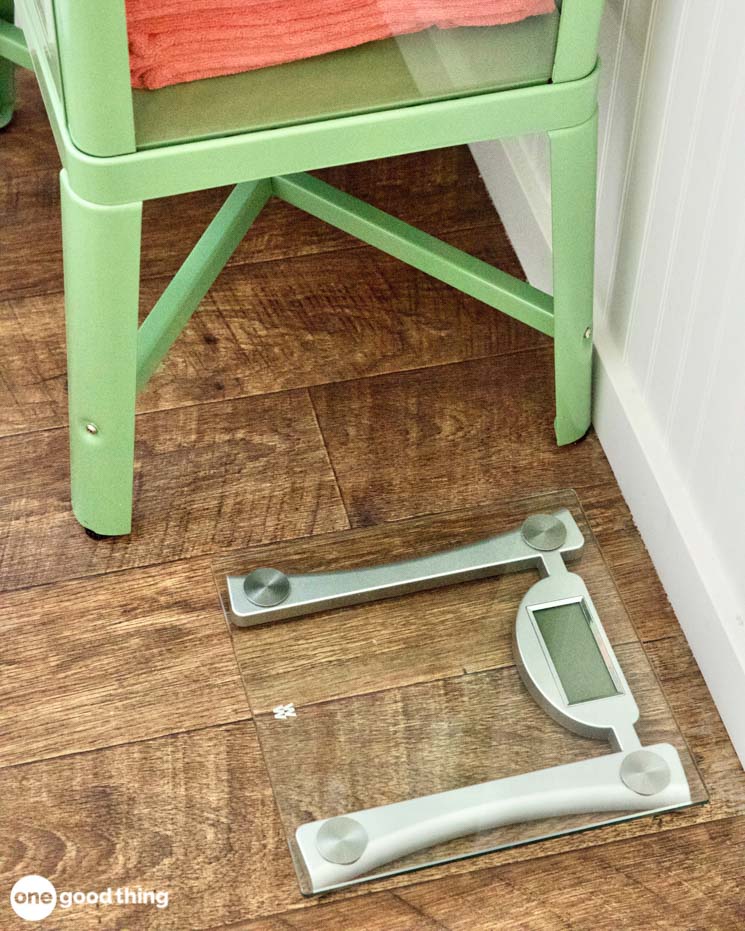 Control Your Weight
 Establish Regular Sleep Patterns
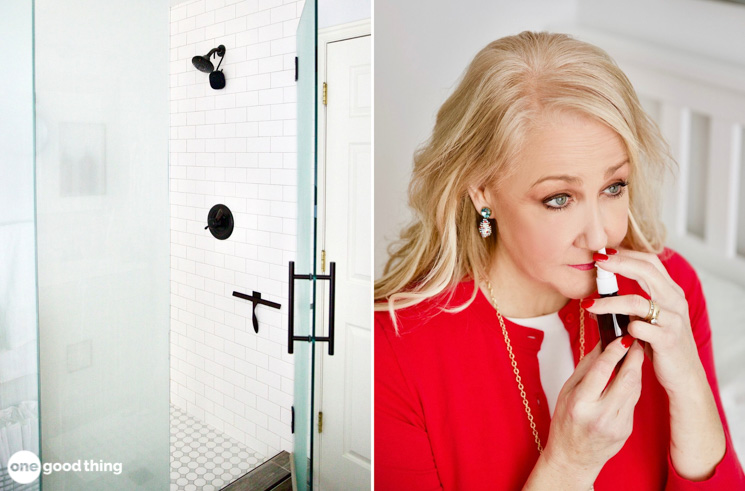 Fight The Dry
 Reduce Bedroom Allergens
 Use Essential Oils












Sleep apnea is a very serious condition that must be treated by a sleep medicine doctor. Anyone who snores should have a sleep study done to rule out sleep apnea. It can save your life. I have sleep apnea as do my brother and sister. It is caused by an abnormality in our palates, a genetic trait in my mother’s family. I became very depressed from lack of sleep. Fortunately, I have a good friend who has sleep apnea and insisted I see a sleep medicine doctor. After introductions, he asked me to open my mouth, looked at my palate, and told me I had sleep apnea and would have to have a sleep study done so my insurance company would pay for the CPAP. Not only do I have sleep apnea but I also have restless legs syndrome and periodic limb movements in sleep for which I take medication so I can sleep. I encourage anyone who does not sleep well to see a sleep medicine doctor for evaluation. It can save your life.
Please log in or create a free account to comment.The lady that suggested a sleep study is wise. Most of the time snoring is a result of sleep apnea and the only way one can find out if they have it is through a sleep study. If one does have it then they will undoutedly recommend a cpap machine. They are cumbersome but they really do help and if one gives it a chance, say, using it faithfully for a couple of weeks, one will adjust and get used to it. I know because I use one. Sleep apnea is a very serious thing, nothing to laugh at. Although the apparatus one has to wear is not very attractive, if it helps one get a good nights sleep and not keep others awake, it’s worth the sacrifice.
Please log in or create a free account to comment.I think my poor hubby’s problem is not having a regular sleep schedule. The doctor also mentioned that he has some issues with his sinus cavities, making it hard to breathe when he lies down. If these suggestions don’t work, or you think something is wrong, it’s always good to check in with the doctor, too!
Please log in or create a free account to comment.I’m willing to try all of these to get my man to quiet down lol- thanks for another great share! :)
Please log in or create a free account to comment.Glad to help, Angie!
Please log in or create a free account to comment.My husband had the throat surgery that adjusts the palate especially for snoring. It didn’t last more than a year for him and he’s back to snoring. Thank the Lord we have a guest room that I migrate to if he wakes me up. I’m definitely going to try a couple of these; humidity and EO might work. We’ve tried all the others, even earplugs for me!
Please log in or create a free account to comment.Has he had a sleep study done? Snoring can be dangerous.
Please log in or create a free account to comment.My boyfriend snores to the high heavens, and I am an ULTRA-light sleeper. Recipe for disaster. We do most of these, but I’ve never tried essential oils. Definitely going to whip up some lotion with eucalyptus ;)
-Clarissa @ The View From Here
Please log in or create a free account to comment.I also have sleep apnea (fat & former smoker). When I feel a little stuffy, I put some, I’ll be truthful, A LOT, of eucalyptus essential oil into my diffuser & put it behind my cpap aimed at the air intake. I always sleep like a baby when I do this. I also do it even if I’m not stuffy as I love how it opens me up & I LOVE the smell!!
Please log in or create a free account to comment.Hi Jillee –
Please log in or create a free account to comment.This blog caught my attention, because I am a snorer…and sometimes my hubby snores as well. You stated that your husband often wakes up with headaches, so I wanted to let you know about something. Back 10+ years ago I went to my family doctor (for a totally unrelated health issue). While we were talking, I let her know that I woke up almost every single day with a headache. She told me that I should NOT wake with a headache…that headaches typically come on during the day as opposed to waking up WITH one. She indicated that it may be sleep apnea. She set me up for a sleep study and low and behold, I have sleep apnea. I had no clue (because I don’t resemble the typical person who has sleep apnea). I am 5′ 4″ and 120 lbs. Most ppl with sleep apnea are over weight (and many of them are men). When I sleep with my CPAP machine and mask, I never wake with a headache. If I happen to fall asleep without my mask (and go all night without it), I wake with a terrible headache (as I stop breathing, on average, 25 times per hour for 10 seconds or longer). I cut off the oxygen to my brain (no wonder my head pounds!!!). I just wanted to share that with you. If your hubby wakes with headaches, perhaps he should go in for a sleep study
I have rather bad sleep apnea – not affected by weight loss and sinus surgery not recommended. When I first started treatment my doctor told me that if you snore you have an apnea (of some degree of severity) but if you have an apnea you don’t necessarily snore. I do use your breathing jar but with inconsistent success. I’m still tweaking the oils hoping to increase it’s effectiveness for me.
Please log in or create a free account to comment.A hotel-size bar of soap under the bottom sheet at the bottom of the bed WORKS!
Please log in or create a free account to comment.There is a convoluted explanation of how and why but I don’t care because it works.
Just remember to change the soap when you flip the mattress, or when you notice that the cramps are back.
I can vouch for a drop of lavender oil under each big toe before bed. I never hear a peep out of my snorer… when he remembers to use it. ☺️
Crazy, huh?
Please log in or create a free account to comment.If your husband wakes up with a headache also, that’s a dead give a way that he probably has sleep apnea.
Please log in or create a free account to comment.Please watch your snoring partner! Although it’s only a footnote to the blog post, sleep apnea is very dangerous, and more common than people want to admit. Apnea causes a host of health problems that most people don’t think about. Snoring is an indicator of the underlying problem. I begged my husband for years to get a sleep study, and though it took moving out of the bedroom for a while, finally convinced him to go. He has been on CPAP treatment for nearly 9 years now, and it has changed his life. His quality of sleep is so much better, and I don’t have to worry any more. I used to lie awake counting the seconds his breathing would stop, waiting for him to start breathing again. And I’m sorry, but to be a little selfish, the quality of MY sleep was horrible because of his snoring and choking, and the deadly silence. Testing and treatment can save lives, so please take snoring seriously!
Please log in or create a free account to comment.Thanks for the warning Cyndi!
Please log in or create a free account to comment.I have been told by others that I snore. I think it’s probably because I have seasonal allergies. The high mold and pollen counts can make it difficult to breathe. I had mild asthma as a child but later outgrew it. I’ve tried the breathe right strips but when I didn’t notice much of a difference. Also when my Sister and I used to share a room, she didn’t think the strips helped me out much. I would be interested in using the essential oils. How do you use them, for snoring?
Please log in or create a free account to comment.You can mix 5 drops into a small glass of water and gargle it before bed, you add a few drops to a diffuser, mix the essential oil into a carrier oil and rub it on your feet, or you can make a spray to spritz on your pillow before bed. Check out a tutorial for lavender linen spray here: https://www.onegoodthingbyjillee.com/2014/03/homemade-lavender-linen-spray.html
Please log in or create a free account to comment.Breathe Right nasal strips help a lot by allowing me to breathe through my nose and never open my mouth during the entire night. No drugs; just sleep.
Please log in or create a free account to comment.Do you have a natural cure for SEVERE upper leg cramps? We have tried magnesium tablets, cramp stop, muscle relaxants cider vinegar drink and tonic water containing quinine. All to no avail.
Please log in or create a free account to comment.I too have terrible cramps in my legs, toes, feet and ankles – sometimes all together! Mine was due to chemo and thalidomide treatment after my stem cell transplant. Plenty of water during the day AND night, cool bedroom and too much heavy bed linen, seem to help. Magnesium doesn’t help in my case, but I have heard that putting a bar of soap under the bottom sheet, at the end of your bed helps!! Give it a go.
Please log in or create a free account to comment.I take potassium 550 mg x5 pills at bedtime, when the cramps start up, and the cramping is gone by the next day, They rarely recur the next day or nite. Potassium can interfere with heart rhythm, so don’t go nuts–5 tabs is enough.
Please log in or create a free account to comment.I know this sounds weird, but a friend of mine who was a waitress for many years told me that drinking a small amount of dill pickle juice works.
I have fibromyalgia and get frequent severe muscle spasms all over… It’s been my experience that pickle juice is exceptional. Unfortunately, it doesn’t prevent the spasms, it just stops the current one.
As soon as you feel the spasm starting, get a 1/4 – 1/2 cup of pickle juice and start slowly sipping it. It takes a few sips, and there doesn’t appear to be a specific amount, but you should feel the severity of the spasm first lessen and then disappear.
Good luck!! Living with muscle spasms is horrible and I hope you find a way to either cope with them or, better yet, get rid of them
Please log in or create a free account to comment.Here are some ideas for you, Judith :-) https://www.onegoodthingbyjillee.com/2014/10/survive-prevent-charley-horses.html
Please log in or create a free account to comment.I also have severe cramping due to high levels of acid in my blood stream which is in relation to my kidney transplant and all the meds I’m on! I take magnesium 1000 mg. Twice a day, sodium bicarb 650 mg. Three times a day, a prescription casitroil twice a day and sometimes this doesn’t stop the cramping so I was ready to go to the hospital because my cramps were so severe but I remembered about the pickle juice and as I took my first gulp, it started to work immediately! I will try the bar of soap to see if that’ll help too! Severe cramping is miserable so hopefully we can all get them to stop!
Please log in or create a free account to comment.